

Views: 222 Author: EZ-Therapylight Publish Time: 2026-06-12 Origin: Site


Content Menu
● What Is Light Therapy for Pain?
● How Red Light Therapy Reduces Pain
>> Mechanisms and Target Tissues
● How Green Light Therapy Reduces Pain
>> A Different Pathway: Visual System and Central Modulation
● Red vs Green Light Therapy for Pain: Key Differences
>> Core Differences at a Glance
● When to Use Red Light, When to Use Green Light
>> When Red / NIR Light Therapy Is Typically Preferred
>> When Green Light Therapy Becomes Strategically Valuable
● A Practical, Combined Approach to Pain Management
>> Example 3‑Step Protocol Framework
● Safety, Side Effects and Limitations
>> Limitations to Be Transparent About
● How EZ‑Therapylight Supports Brands with Red and Green Light Solutions
>> Our Capabilities for B2B Partners
● Practical Buyer's Checklist: Choosing a Red or Green Light Device for Pain
● FAQs: Red vs Green Light Therapy for Pain
As someone who has spent years working with patients in chronic pain clinics and advising wellness brands on light therapy protocols, I'm often asked a simple question with a surprisingly complex answer: "Is red light or green light better for pain?" [pmc.ncbi.nlm.nih]
From a manufacturer's perspective at EZ‑Therapylight, where we design and build professional red and multi‑wavelength light therapy devices for brands worldwide, this question isn't just academic—it directly shapes how we engineer LED panels, belts, masks and clinical systems for OEM/ODM partners. [facebook]
In this guide, I'll break down red vs green light therapy for pain from both a clinical and product design standpoint, so you can make evidence‑based decisions—whether you're a biohacking enthusiast, physiotherapist, or a wellness brand looking to launch your next device.

Light therapy (often called photobiomodulation, PBMT, or low‑level light therapy, LLLT) uses specific wavelengths of light to trigger biological changes that can reduce pain, inflammation and tissue damage without drugs or invasive procedures. [webmd]
Most pain‑focused protocols today rely on red and near‑infrared (NIR) light, but a growing body of research shows that green light exposure can also significantly reduce pain and improve quality of life in certain chronic pain conditions. [pmc.ncbi.nlm.nih]
Clinically, light therapy is used for:
- Chronic musculoskeletal pain (neck, back, joints, tendons). [pmc.ncbi.nlm.nih]
- Neuropathic pain and fibromyalgia. [sciencedirect]
- Post‑surgical recovery and sports injuries. [digitalcommons.kansascity]
From an engineering viewpoint, this means wavelength choice, power density and treatment geometry must be tuned to the type of pain and tissue depth being targeted. [anodynetherapy]
Red light therapy typically uses wavelengths in the 620–700 nm range, often combined with near‑infrared in the 700–1,000 nm range. These wavelengths: [anodynetherapy]
- Are absorbed by mitochondria, especially the enzyme cytochrome c oxidase, increasing ATP production and cell energy. [webmd]
- Reduce oxidative stress and inflammatory mediators, supporting tissue repair and modulating pain pathways. [digitalcommons.kansascity]
- Penetrate from a few millimeters up to several centimeters (especially with NIR), reaching skin, fascia, muscles, joints and peripheral nerves. [scirp]
Clinically, red and NIR light have been shown to:
- Decrease pain and stiffness in conditions such as arthritis and other inflammatory musculoskeletal disorders. [pmc.ncbi.nlm.nih]
- Enhance wound healing, blood flow and tissue repair, indirectly reducing pain related to tissue damage. [webmd]
- Support recovery in neck and back pain, tennis elbow and other chronic pain syndromes. [theconversation]
A large body of randomized controlled trials and systematic reviews supports the use of low‑level red/NIR light therapy for pain relief, especially when used at appropriate doses and in repeated sessions. [digitalcommons.kansascity]
For example:
- A review of red light therapy in inflammatory pain found mostly positive results for short‑term pain reduction and improved function in conditions like rheumatoid arthritis. [webmd]
- Photobiomodulation using red and NIR LEDs has demonstrated reduced pain, inflammation and improved tissue repair across multiple musculoskeletal and neuropathic pain models. [pmc.ncbi.nlm.nih]
From my experience working with sports recovery facilities and chiropractic clinics, red/NIR panels and localized belts have become the default baseline modality for pain programs because they deliver consistent, localized analgesia and tissue repair when properly dosed.
Green light therapy is a newer and more specialized approach. Instead of targeting mitochondria in local tissues, many protocols use visual exposure to green light to modulate pain through the central nervous system and endogenous analgesic pathways. [pmc.ncbi.nlm.nih]
Two key streams of evidence stand out:
- Animal studies: Green LED exposure around 525 nm reduced neuropathic and injury‑related pain in rats. The analgesic effect disappeared when the animals' eyes were covered, showing a strong visual system–mediated mechanism. [pmc.ncbi.nlm.nih]
- Human clinical data: A one‑way crossover clinical trial in 21 fibromyalgia patients found that daily green light exposure (1–2 hours for 10 weeks) significantly reduced pain scores and improved quality of life, with no reported side effects. [sciencedirect]
Mechanistically, research points to:
- Increased enkephalins (endogenous opioids) in the spinal cord after green light exposure. [pmc.ncbi.nlm.nih]
- Modulation of descending pain inhibitory pathways and altered spinal nociceptor signaling. [pmc.ncbi.nlm.nih]
In practical terms, green light is not a replacement for red/NIR at the tissue level; instead, it behaves more like a central neuromodulation tool for widespread, centrally sensitized pain conditions.
The fibromyalgia trial is particularly important for practitioners and device brands:
- Baseline average pain scores were around 8.4/10, which decreased to about 4.9/10 after green light exposure. [sciencedirect]
- Quality‑of‑life indices (EQ‑5D‑5L and Fibromyalgia Impact Questionnaire) improved significantly more under green light than under white light. [sciencedirect]
- No adverse events were reported, underlining a favorable safety profile. [sciencedirect]
Additionally, early work in migraine shows that green light produces less photophobia and can reduce migraine pain intensity compared to other colors, suggesting broader potential in central pain disorders. [pmc.ncbi.nlm.nih]
From both a clinical and product‑design perspective, red and green light sit in different roles within a pain‑management strategy.
| Dimension | Red / NIR Light Therapy | Green Light Therapy |
|---|---|---|
| Primary wavelengths | ~620–700 nm (red), 700–1,000 nm (NIR) (anodynetherapy) | ~525 nm green LEDs (sciencedirect) |
| Main mechanism | Local mitochondrial activation, anti‑inflammatory and pro‑repair effects (pmc.ncbi.nlm.nih) | Central neuromodulation via visual system, endogenous opioid pathways (pmc.ncbi.nlm.nih) |
| Target tissues | Skin, fascia, muscles, joints, peripheral nerves (pmc.ncbi.nlm.nih) | CNS‑driven modulation of widespread pain perception (pmc.ncbi.nlm.nih) |
| Best‑fit pain types | Localized musculoskeletal pain, joint pain, post‑injury pain (pmc.ncbi.nlm.nih) | Centralized/widespread pain syndromes (e.g., fibromyalgia) (sciencedirect) |
| Evidence strength | Extensive RCTs and reviews for musculoskeletal pain (pmc.ncbi.nlm.nih) | Growing but still early clinical evidence (fibromyalgia, migraine) (sciencedirect) |
| Delivery format | Panels, belts, pads, handheld probes, clinic systems (anodynetherapy) | Ambient visual exposure strips, lamps or integrated multi‑color systems (sciencedirect) |
| Typical session style | 5–20 min localized exposure, several times per week (pmc.ncbi.nlm.nih) | 1–2 hours/day of ambient green light over weeks (sciencedirect) |
For most wellness and clinical brands, the strategic sweet spot is not "red vs green", but "red + NIR as a foundation, and green as a targeted add‑on for specific central pain profiles." [pmc.ncbi.nlm.nih]
Based on the literature and front‑line clinical feedback, red/NIR therapy is usually the first‑line option when: [digitalcommons.kansascity]
- The pain is localized—for example, knee osteoarthritis, frozen shoulder, tennis elbow or low back pain.
- There is visible or imaging‑confirmed tissue damage (tendon, muscle, joint capsule, post‑surgical area).
- The treatment goal includes faster recovery, improved circulation or support for tissue repair (e.g., sports recovery centers).
In these cases, a well‑designed panel, pad or belt delivering red + NIR at clinically informed power densities allows practitioners to dose precisely over the affected anatomy.
Green light is especially compelling when: [sciencedirect]
- The patient presents with widespread, centralized pain, such as fibromyalgia or functional pain disorders.
- Standard pharmacologic therapies have limited efficacy or intolerable side effects, and patients are seeking low‑risk complementary options.
- Symptoms include a strong sensory and emotional overlay (sleep disruption, low mood, fatigue), common in fibromyalgia cohorts. [sciencedirect]
In those scenarios, adding a daily green light exposure protocol can be a powerful adjunct to a red/NIR‑based local pain program.
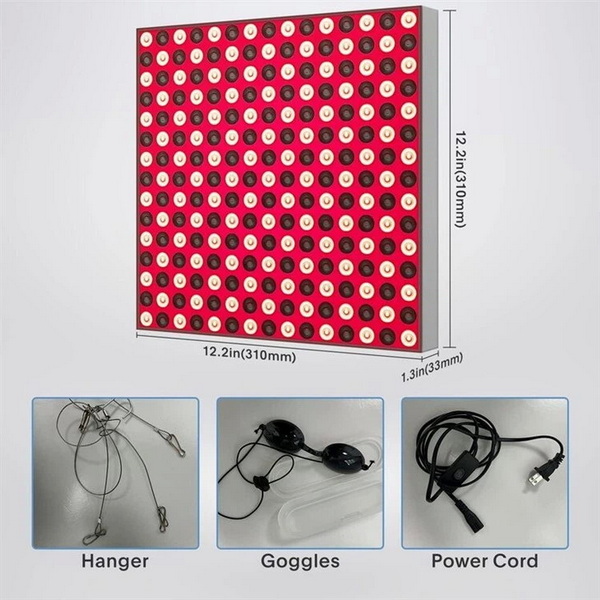
In real‑world clinical work and in the OEM projects we support for global wellness brands, the most successful pain programs usually combine multiple wavelengths and delivery modes rather than relying on a single color. [anodynetherapy]
This is a generalized framework that practitioners often adapt; it is not a substitute for individualized medical advice:
1. Local red/NIR therapy for tissue pain
- Use a panel, pad or belt targeting the main pain site (e.g., lumbar spine, knee, shoulder).
- Parameters often include short sessions (such as 5–20 minutes), several times per week, based on PBMT literature and device specifications. [webmd]
2. Systemic green light exposure for central modulation
- For patients with widespread or central pain features (e.g., fibromyalgia), add daily green light exposure in a darkened room for 1–2 hours, modeled on clinical trial protocols. [sciencedirect]
- The patient remains awake, engaging in low‑light activities (listening to audio, etc.) while avoiding other light sources. [sciencedirect]
3. Lifestyle and monitoring integration
- Track changes in pain scores, sleep quality, medication usage and functional capacity over weeks, similar to validated survey approaches used in trials. [sciencedirect]
- Adjust dosing, schedule and combination of wavelengths according to patient response and practitioner judgment.
This multi‑layered strategy is also how more advanced biohacking and longevity clinics structure their offering: red/NIR devices for local recovery plus structured light environments (including green) for CNS and mood modulation. [theconversation]
Both red/NIR and green light therapies, when used in low‑level, non‑thermal ranges, have shown favorable safety profiles in clinical and preclinical studies. [pmc.ncbi.nlm.nih]
- Red/NIR: Generally well tolerated, with occasional transient warmth or mild skin irritation when used at higher intensities or prolonged exposures. [webmd]
- Green light: In the fibromyalgia trial, no adverse events were reported across 10 weeks of daily use. [sciencedirect]
For device manufacturers and brands, this is why we prioritize:
- Stable, low‑flicker LED drivers.
- Thoughtful heat management.
- Clear user guidelines to avoid over‑exposure.
From an E‑E‑A‑T perspective, it's critical to acknowledge what we don't yet know:
- Green light evidence is promising but still early; sample sizes are relatively small, and more randomized trials are needed across different pain conditions. [pmc.ncbi.nlm.nih]
- For red/NIR, results vary depending on wavelength, dose, device quality and protocol design, so not all devices or "at home treatments" will replicate clinical trial outcomes. [pmc.ncbi.nlm.nih]
- Light therapy should be seen as a complementary modality, not a replacement for essential medical care, imaging, or urgent treatment when indicated. [webmd]
From the manufacturer side, device architecture deeply influences real‑world outcomes. At EZ‑Therapylight, we focus on helping global wellness, biohacking and clinical brands translate the science into manufacturable products. [thetextilenetwork]
As a China‑based leader in light therapy manufacturing, we provide: [youtube]
- Customizable red/NIR panels and belts for targeted musculoskeletal pain and recovery programs.
- LED facial masks and blankets designed for combined skin and systemic benefits (anti‑inflammatory, circulation, relaxation).
- OEM/ODM services for brands that want to integrate multicolor capabilities, including green channels aimed at central pain and mood‑modulation protocols.
Typical collaboration steps include:
1. Clinical and brand discovery: Align targeted use cases (sports recovery, fibromyalgia programs, spa protocols, home biohacking) with wavelength mix and form factor.
2. Optical and mechanical design: Select chip wavelengths (e.g., 630 nm + 660 nm + 850 nm + 525 nm), beam angles, and layout to achieve desired irradiance patterns. [anodynetherapy]
3. UX and protocol guidance: Co‑create usage instructions that reflect current evidence (session time, frequency, distance) while remaining accessible to end users. [pmc.ncbi.nlm.nih]
For brands, this means you can position your product not just as "another red light," but as a clinically informed, differentiated system designed around specific pain segments.
Whether you are a clinician, retailer, or wellness brand sourcing from OEM manufacturers, use this checklist to evaluate potential devices:
- Wavelength transparency
- Are specific wavelengths (e.g., 630 nm, 660 nm, 850 nm, 525 nm) clearly listed and backed by published research? [anodynetherapy]
- Irradiance and dosage clarity
- Does the manufacturer provide realistic irradiance values and recommended exposure times based on existing studies? [webmd]
- Purpose‑built design
- For local pain: Is the device ergonomically optimized (belts, pads, localized panels) to sit close to joints and muscles? [anodynetherapy]
- For central pain / green light: Is the design suitable for ambient visual exposure (safe distance, comfortable viewing) rather than skin contact only? [pmc.ncbi.nlm.nih]
- Evidence‑aligned marketing
- Are claims consistent with current research (e.g., fibromyalgia and green light as "promising," not "proven cure")? [theconversation]
- After‑sales and integration support
- For B2B buyers, does the OEM partner offer documentation, UX content support and training assets for clinicians or end users?
As a manufacturer, we've seen that the brands who win long‑term are the ones who anchor their product messaging in real data and clear use cases, rather than broad or exaggerated promises.
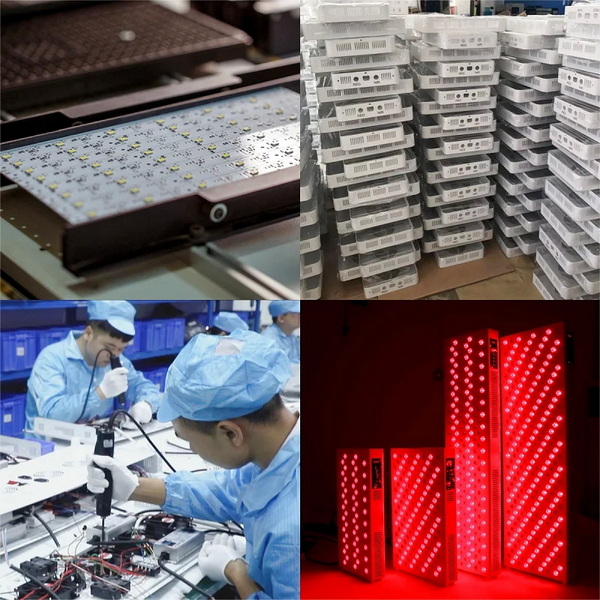
We've launched an waterproof (IP65), -40°~90°C heat/low temperature-resistant light therapy panel specifically built to integrate into saunas room, infrared cabins, hot tub, ice baths, steam baths and showers etc. luxtury wellness space— it delivers red/NIR/amber/blue wavelengths that supports skin rejuvenation, circulation and deep muscle relaxation while withstanding high humidity/heat environment.
If you are interesting for the products and want to know how it improve your business, please inquiry us:
Email: ez@therapy-light.com
WhatsApp: +86 151 1311 0489
1. Is red or green light therapy better for chronic pain?
Neither color is universally "better"; red/NIR light is more established for localized musculoskeletal pain, while green light shows strong early promise for widespread, centralized pain such as fibromyalgia. [pmc.ncbi.nlm.nih]
2. Can I combine red and green light therapy in the same protocol?
Yes. Many advanced protocols use red/NIR for local tissue pain and green light for central modulation, especially in patients with both joint pain and global sensitivity. [pmc.ncbi.nlm.nih]
3. How long does it take to see results with green light therapy for fibromyalgia‑type pain?
In the fibromyalgia trial, patients used green light 1–2 hours daily for about 10 weeks and reported significant pain reduction and quality‑of‑life improvements over this period. [sciencedirect]
4. Are there any serious side effects with red or green light therapy?
In published studies using low‑level, non‑thermal light, serious adverse events are rare, and green light in particular showed no reported side effects in a 10‑week trial. [webmd]
5. What should brands look for when sourcing OEM red or green light devices?
Focus on clear wavelength specs, realistic irradiance data, evidence‑aligned protocols and a manufacturing partner experienced in medical and wellness light devices, rather than just cosmetic LED hardware. [thetextilenetwork]
1. Low‑intensity laser and LED (photobiomodulation) therapy in pain management and tissue repair.
https://pmc.ncbi.nlm.nih.gov/articles/PMC9980499/ [pmc.ncbi.nlm.nih]
2. WebMD – Red Light Therapy: Effectiveness, Treatment, and Risks.
https://www.webmd.com/skin-problems-and-treatments/red-light-therapy [webmd]
3. Green Light Exposure Improves Pain and Quality of Life in Fibromyalgia Patients: A Preliminary One‑Way Crossover Clinical Trial.
https://pmc.ncbi.nlm.nih.gov/articles/PMC7861466/ [sciencedirect]
4. Long‑lasting antinociceptive effects of green light in acute and neuropathic pain models (preclinical mechanisms).
https://pmc.ncbi.nlm.nih.gov/articles/PMC5242385/ [pmc.ncbi.nlm.nih]
5. Optimizing Low‑Level Light Therapy for Skin Rejuvenation (mechanisms of red/NIR, mitochondrial effects).
https://digitalcommons.kansascity.edu/cgi/viewcontent.cgi?article=2015&context=studentpub [digitalcommons.kansascity]
6. Red Light Therapy vs Infrared Light Therapy – penetration depth and indications.
https://anodynetherapy.com/evidence/red-light-therapy-vs-infrared-light-therapy/ [anodynetherapy]
7. Red light therapy overview and claims for pain, inflammation and skin conditions.
https://theconversation.com/red-light-therapy-shows-promise-for-pain-relief-inflammation-and-skin-conditions-but-other-claims-mi- [theconversation]
8. Green light exposure in chronic pain clinical trial registry.
https://clinicaltrials.gov/study/NCT03677206 [clinicaltrials]
9. EZ‑Therapylight company listings and product scope (panels, belts, blankets, masks, OEM/ODM).
https://www.facebook.com/eztherapylight/ [facebook]
https://thetextilenetwork.com/company/ez-therapylight [thetextilenetwork]
Company introduction video: https://www.youtube.com/watch?v=irhIToRsExM [youtube]


