
- All
- Product Name
- Product Keyword
- Product Model
- Product Summary
- Product Description
- Multi Field Search

Views: 222 Author: EZ-Therapylight Publish Time: 2026-06-06 Origin: Site


Content Menu
● Red vs Blue Light Therapy: Core Differences
● Key Benefits of Red Light Therapy
>> 1. Skin Health and Anti‑Aging
>> 2. Pain, Recovery and Performance
>> 3. General Wellness and Sleep Support
● Key Benefits of Blue Light Therapy
● When to Choose Red vs Blue (or Both)
● Technical Specs That Actually Matter (OEM/ODM Buyer's Section)
● Real‑World User Experience: What Customers Actually Say
● How to Use Red and Blue Light Therapy Safely
● Expert Insight: Health‑Related Light Therapy Content
● Step‑by‑Step: Choosing the Right Light Therapy Device for Your Brand
● Why Work With an Experienced Red Light Therapy Manufacturer
● FAQs
As a light therapy manufacturer and long‑term user of LED devices, I've seen first‑hand how confusing "red light vs blue light therapy" can be for both consumers and professionals. This guide breaks down the real differences, use cases and specifications you should care about—especially if you're building a Light Therapy, Wellness, Health or Biohacking brand and sourcing OEM/ODM devices from partners like EZ‑Therapylight. [splendidskincarespa]
Red light therapy (RLT), often called low‑level light therapy or photobiomodulation, uses red and near‑infrared wavelengths to stimulate cells and support tissue repair. [therabody]
- Typical wavelengths: ~620–660 nm (red) and 810–850 nm (near‑infrared). [pmc.ncbi.nlm.nih]
- Mechanism: Light is absorbed by mitochondria, boosting ATP production and modulating oxidative stress and inflammation. [therabody]
- Delivery: LED panels, handheld devices, masks, and targeted modular systems. [manuals]
From a practitioner's perspective, red light is not "just for beauty"—it's a systemic tool for recovery, performance and healthy aging. [infraredi]

Blue light therapy uses shorter wavelengths to act primarily on the skin's surface, with a strong track record in acne management and antibacterial action. [nuonmedical]
- Typical wavelengths: ~405–470 nm. [splendidskincarespa]
- Main action: Generates reactive oxygen species in acne‑causing bacteria (like *C. acnes*), leading to bacterial death. [drsabrina]
- Delivery: Facial masks, spot treatment devices, and professional LED panels in clinics and spas. [hampsteadaesthetics]
In real‑world spa settings, therapists often start with blue light for active breakouts, then layer red light in the same session to calm inflammation and support repair. [nuonmedical]
Below is a practical comparison you can use in product education pages, sales decks, or training materials.
| Aspect | Red Light Therapy | Blue Light Therapy |
|---|---|---|
| Primary wavelengths | 620–660 nm red, 810–850 nm NIR (pmc.ncbi.nlm.nih) | 405–470 nm blue (splendidskincarespa) |
| Penetration depth | Deeper, reaching dermis and sometimes subcutaneous tissue (pmc.ncbi.nlm.nih) | Mostly epidermis and upper dermis (splendidskincarespa) |
| Best for | Collagen support, wrinkles, joint pain, muscle recovery, inflammation (therabody) | Acne, excess sebum, surface bacteria, some hyperpigmentation (splendidskincarespa) |
| Typical users | Biohackers, athletes, wellness clinics, anti‑aging clients (therabody) | Dermatology clinics, acne‑focused skincare brands, teens and young adults (splendidskincarespa) |
| Session feel | Gentle warmth, relaxing; often used daily or several times per week (therabody) | Cool to mildly warm; often used in shorter, targeted protocols (splendidskincarespa) |
| Risk profile | Generally well‑tolerated with appropriate intensity and usage (pmc.ncbi.nlm.nih) | Also well‑tolerated; careful use around photosensitive users (splendidskincarespa) |
For many modern LED devices, the most effective protocols combine red and blue light in one system to address both immediate acne bacteria and longer‑term skin repair. [infraredi]
From the perspective of both clinical studies and user feedback, the benefits of red light therapy cluster into a few core categories. [pmc.ncbi.nlm.nih]
- Supports collagen and elastin production, which can improve fine lines, wrinkles and overall firmness. [therabody]
- Helps even out skin tone and reduce visible redness over time by modulating inflammatory pathways. [drsabrina]
Many long‑term users describe red light panels as their "non‑negotiable" evening ritual for maintaining skin quality after 30, especially when combined with a simple skincare routine. [infraredi]
- Can reduce joint and muscle discomfort by influencing blood flow and inflammatory mediators. [pmc.ncbi.nlm.nih]
- Popular with athletes and biohackers for post‑workout recovery and performance maintenance. [therabody]
Clinics offering red light sessions often package them with physiotherapy or sports massage, noting improved perceived recovery in their clients. [pmc.ncbi.nlm.nih]
- Pre‑bed red light exposure may help support healthier circadian rhythms by replacing harsh white or blue‑heavy lighting with gentler wavelengths. [therabody]
- Users frequently report better relaxation and wind‑down when using red light panels as part of an evening self‑care routine. [infraredi]
Blue light is more problem‑solving and targeted, particularly for acne and oily skin. [splendidskincarespa]
- Directly targets acne‑causing bacteria on the skin surface, helping reduce breakouts. [drsabrina]
- Particularly useful for mild to moderate inflammatory acne, often used alongside topical skincare. [nuonmedical]
Dermatology clinics often position blue LED facials as a low‑downtime complement to prescription regimens. [splendidskincarespa]
- By controlling bacteria and inflammation, many users see less congestion and smoother texture over time. [nuonmedical]
- Can be useful for clients who cannot tolerate many topical actives but still want non‑invasive treatment. [drsabrina]
If you're building a wellness or skincare brand—or deciding which devices to stock—your choice of red vs blue light should align clearly with your primary use cases. [pmc.ncbi.nlm.nih]
- Choose red light if your main promises involve:
- Healthy aging and collagen support
- Joint or muscle relief
- Performance and recovery
- General wellness, sleep, and biohacking routines [therabody]
- Choose blue light if your main promises involve:
- Active acne management
- Oily or congestion‑prone skin
- Teen or young‑adult focused skincare lines [splendidskincarespa]
- Choose a combined red + blue system if:
- You run a facial studio, med spa, or dermatology‑oriented practice
- Your clients present both active breakouts and post‑acne marks/aging concerns
- You want flexible protocols that can be customized per client session [nuonmedical]
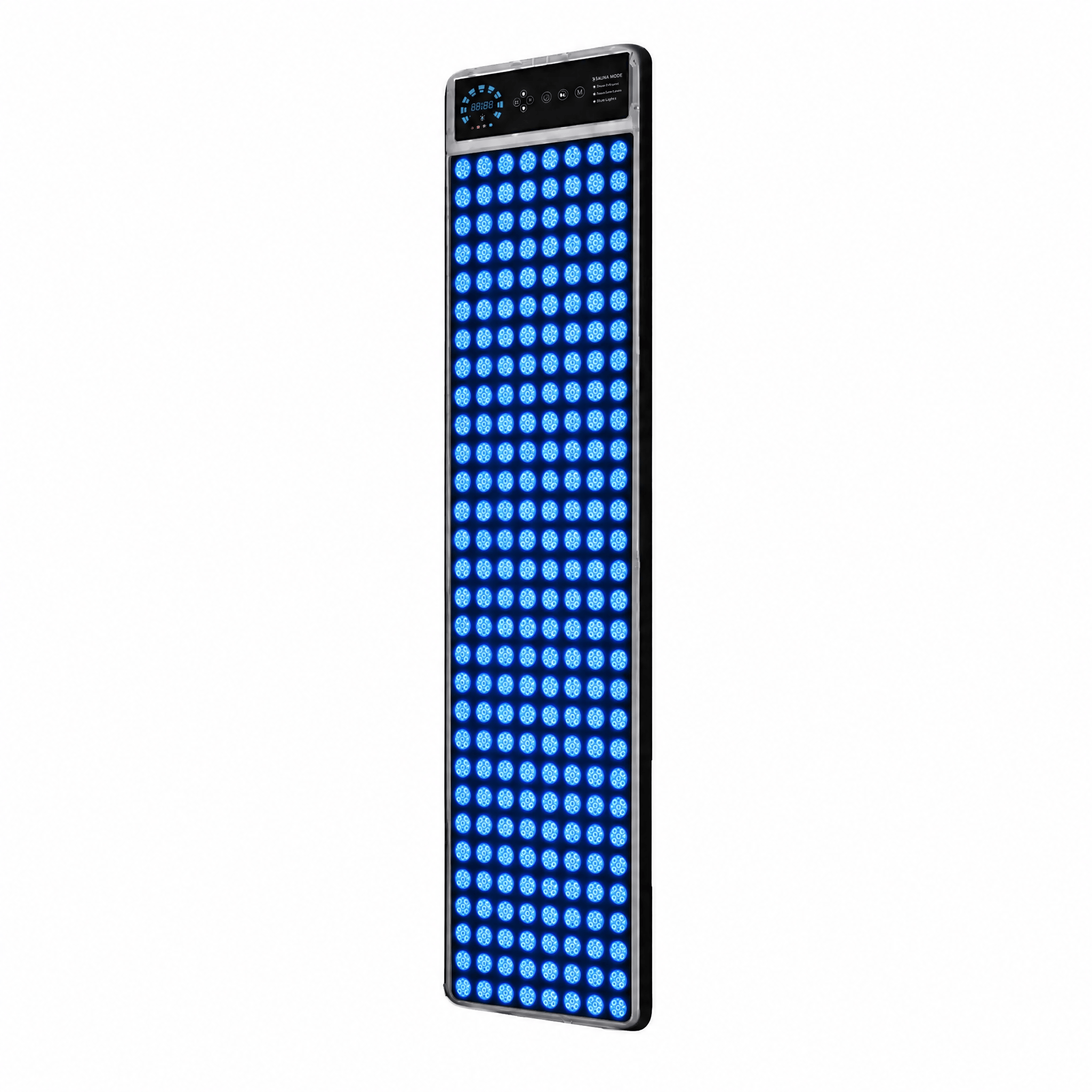
From an OEM/ODM perspective, not all LED therapy devices are equal—even when they advertise the same wavelengths. [h-cled]
When evaluating a manufacturer like EZ‑Therapylight, pay close attention to:
- Wavelength accuracy: LEDs should peak near evidence‑based ranges (e.g., ~630–660 nm and ~810–850 nm for red/NIR). [infraredi]
- Irradiance (power density): Sufficient but safe output at the recommended treatment distance to achieve meaningful doses in realistic session times. [pmc.ncbi.nlm.nih]
- Uniformity of coverage: Consistent energy delivery across the panel or mask, minimizing "hot spots" and under‑treated zones. [h-cled]
- Thermal management: Good heat dissipation extends diode lifespan and user comfort in longer sessions. [manuals]
- Safety and testing: Compliance with relevant electrical and photobiological safety standards, plus clear user guidelines. [h-cled]
Brand owners consistently highlight that stable quality, responsive technical support, and post‑sale training matter as much as the hardware itself when scaling global sales. [rise]
Reviews across light therapy brands show some recurring patterns that are highly valuable for your content and product positioning. [anotherconcept.co]
Users typically report the following after consistent use:
- For red light panels:
- Softer, more even skin after several weeks
- Less morning stiffness or post‑exercise soreness
- A calming, almost "ritual‑like" experience when used at the same time every day [infraredi]
- For blue light or red+blue facial devices:
- Fewer new breakouts and faster resolution of existing blemishes
- Reduced redness around inflamed spots
- Higher confidence taking "no‑filter" photos after a few months of routine use [drsabrina]
From a UX standpoint, users greatly appreciate simple timers, clear recommended protocols, and visual feedback (indicators, countdowns) that make treatments feel intuitive rather than technical. [cloudpso]
Even though LED light therapy is considered non‑invasive and generally safe, device education is critical for end‑user satisfaction and risk management. [therabody]
1. Follow manufacturer instructions
Use recommended distance, session length and frequency; more is not always better. [manuals]
2. Protect eyes appropriately
For high‑irradiance panels or close‑range use, provide and recommend eye protection, especially for blue light and near‑infrared exposure. [manuals]
3. Start low and adjust
Encourage new users to start with shorter, less frequent sessions and gradually build up as tolerated. [pmc.ncbi.nlm.nih]
4. Screen for photosensitivity
Ask users to consult a healthcare professional if they have light‑sensitive conditions or use photosensitizing medications. [therabody]
5. Set realistic expectations
Clarify that LED therapy is a routine, not a one‑time miracle; typical visible changes build over weeks to months. [infraredi]
These simple, evidence‑aligned steps reduce complaints and returns while reinforcing your brand's trustworthiness. [rise]
Because light therapy touches health, skin, and sometimes pain management, your content falls close to Google's YMYL (Your Money or Your Life) category. That means E‑E‑A‑T signals are not optional. [developers.google]
To strengthen Experience, Expertise, Authoritativeness and Trustworthiness:
- Highlight real‑world experience using and manufacturing devices—share testing protocols, quality checks and long‑term user stories. [anotherconcept.co]
- Ensure important educational articles are reviewed by qualified professionals (e.g., dermatologist, physiotherapist), and clearly show the reviewer's name and credentials. [rise]
- Cite credible medical and scientific sources, especially when mentioning mechanisms, clinical outcomes or safety claims. [developers.google]
- Maintain a transparent About, product specification pages, and clear contact and support details to reinforce trust. [developers.google]
For a brand like EZ‑Therapylight, pairing manufacturing technical depth with medically reviewed educational content is a powerful long‑term SEO moat. [rise]
If you're a Light Therapy, Wellness, Health or Biohacking brand owner, here is a practical selection process you can adapt. [h-cled]
1. Clarify your primary use case
- Anti‑aging and recovery → prioritize red/NIR panels or modular systems.
- Acne and oil control → prioritize blue or red+blue facial devices. [splendidskincarespa]
2. Define your user context
- At‑home wellness clients need intuitive interfaces, short protocols and strong safety education.
- Professional clinics may require higher power, modular installation and integration into treatment menus. [h-cled]
3. Align technical specs with evidence
Confirm wavelengths, irradiance, and duty cycles are consistent with the published literature and real‑world protocols you plan to promote. [pmc.ncbi.nlm.nih]
4. Assess your OEM/ODM partner
Review their R&D track record, QA processes, certifications, and their ability to customize branding, UI and accessories for your target market. [h-cled]
5. Plan your educational ecosystem
Design blog content, onboarding guides, protocol cards and FAQs that help users get results—and reduce unnecessary support tickets. [cloudpso]
Experienced manufacturers like EZ‑Therapylight specialize in R&D‑driven LED therapy devices, stable supply chains and responsive technical support. Drawing on the best practices highlighted in independent product reviews and clinical summaries, brands increasingly select partners who can:
- Provide multi‑wavelength options (red, NIR, blue, combination) tailored to different market segments. [infraredi]
- Support OEM/ODM customization—from industrial‑grade panels for clinics to ultra‑sleek home devices for premium wellness audiences. [h-cled]
- Back every device with clear documentation, training material and after‑sales support, which strongly influences user reviews and repeat purchases. [anotherconcept.co]
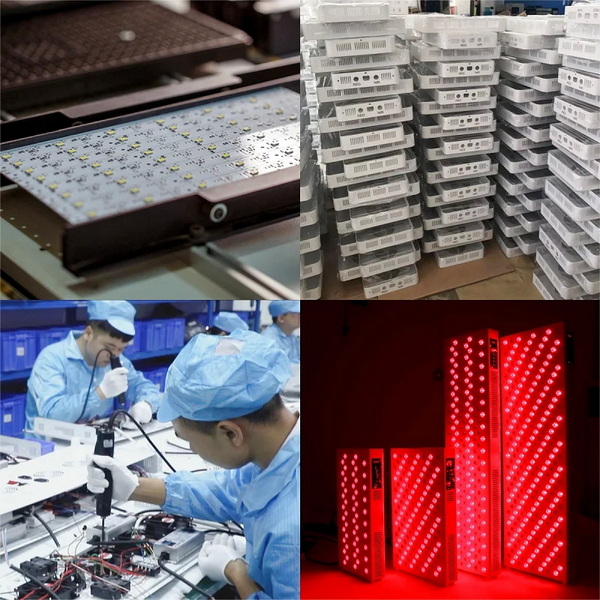
We've launched an waterproof (IP65), -40°~90°C heat/low temperature-resistant light therapy panel specifically built to integrate into saunas room, infrared cabins, hot tub, ice baths, steam baths and showers etc. luxtury wellness space— it delivers red/NIR/amber/blue wavelengths that supports skin rejuvenation, circulation and deep muscle relaxation while withstanding high humidity/heat environment.
If you are interesting for the products and want to know how it improve your business, please inquiry us:
Email: ez@therapy-light.com
WhatsApp: +86 151 1311 0489
1. Is red light or blue light better for anti‑aging?
For anti‑aging goals, red and near‑infrared light are usually preferred because they penetrate deeper and support collagen, circulation and inflammation modulation. Blue light mainly targets surface bacteria and is not a primary anti‑aging modality. [nuonmedical]
2. Can I use red and blue light therapy on the same day?
Yes, many clinics and devices are designed to combine blue light first for acne bacteria and red light afterwards for calming and repair, either in one session or separate daily routines. [splendidskincarespa]
3. How long does it take to see results from red light therapy?
Most users notice subtle changes (like improved skin glow or reduced stiffness) in a few weeks, with more visible improvements in skin texture or recovery typically appearing over several months of consistent use. [therabody]
4. Is LED light therapy safe for home use?
When devices are properly designed, tested, and used according to instructions, home LED therapy is generally well‑tolerated, though people with photosensitive conditions or medications should consult a professional first. [manuals]
5. What should I look for in a professional‑grade light therapy device?
Prioritize accurate wavelengths, appropriate irradiance, uniform coverage, solid build quality, safety certifications, and reliable technical support from the manufacturer or OEM/ODM partner. [h-cled]
1. Splendid Skincare Spa. "LED Light Therapy for Skin: Red Light vs. Blue Light Explained." [Link] [splendidskincarespa]
2. Therabody. "Understanding the Benefits of Red, Blue, and Infrared Light Therapy." [Link] [therabody]
3. PubMed Central. "What to Look for in Red Light Therapy: A Product Guide for Wearable LED Masks." [Link] [pmc.ncbi.nlm.nih]
4. Nuon Medical. "Red and Blue Light Therapy: Choosing the Right LED Solution for Your Skin." [Link] [nuonmedical]
5. Hampstead Aesthetics. "Blue Light vs. Red Light Therapy: What's the Difference?" [Link] [hampsteadaesthetics]
6. Rise.co. "Ranking for Trust: How Google's E-E-A-T Updates Are Changing Healthcare SEO." [Link] [rise]
7. Another Concept. "E‑E‑A‑T Guidelines: What Are They and How Do I Follow Them?" [Link] [anotherconcept.co]
8. CloudPSO. "How to Write Blog Posts That Drive Traffic and Engagement." [Link] [cloudpso]
9. Infraredi. "Red Light vs Blue Light Therapy: Full Guide." [Link] [infraredi]
10. MITO Red Light. "MitoPRO Series Quad Wavelength Red Light Manual." [Link] [manuals]
11. Google Search Central. "Creating Helpful, Reliable, People‑First Content." [Link] [developers.google]
12. H‑C LED. "LED光疗完全指南:原理、应用、选择与市场前景(2025)." [Link] [h-cled]
13. Dr Sabrina. "Red Light vs Blue Light Therapy." [Link] [drsabrina]


