
- All
- Product Name
- Product Keyword
- Product Model
- Product Summary
- Product Description
- Multi Field Search

Views: 222 Author: EZ-Therapylight Publish Time: 2026-06-11 Origin: Site


Content Menu
● What Is Light Therapy and Why Does Color Matter?
>> Mitochondria, ATP and Inflammation
>> Skin, Anti‑Aging and Healing Benefits
● How Blue Light Therapy Works
>> Targeting Acne Bacteria and Sebum
>> Safety and Practical Considerations
● Red vs. Blue Light Therapy: Key Differences at a Glance
● When to Choose Red vs. Blue vs. Combination
>> When Red Light Is the Better Primary Choice
>> When Blue Light Should Take the Lead
>> Why Combination Red + Blue Devices Are Rising
● Real‑World OEM/ODM Insights: What Successful Light Therapy Brands Do Differently
>> Start Strategic: ODM to Test, Then OEM to Scale
>> Non‑Negotiables: Compliance, Documentation, and Traceability
>> Design for User Experience, Not Just Specs
● Practical Protocol Guidelines for End Users
>> Red Light Protocol Examples
>> Blue and Red + Blue Protocol Examples
● What to Look for When Sourcing Red/Blue Light Devices (OEM/ODM Checklist)
● Why Partner with an R&D‑Focused Chinese OEM/ODM Manufacturer
● Conclusion: Choosing the Right Light for Your Brand or Practice
● FAQs: Red vs. Blue Light Therapy
As a Chinese R&D-led OEM/ODM manufacturer of red light therapy devices (EZ‑Therapylight), I have spent the past decade helping wellness brands, clinics, and biohackers design and launch light therapy systems that actually perform in the real world. In this updated guide, I will walk you through how red and blue light therapy really work, where each excels, when to combine them, and what to look for if you are sourcing devices under your own brand in 2026. [pmc.ncbi.nlm.nih]

Light therapy (also called photobiomodulation when using low-level red and near‑infrared light) uses specific wavelengths to trigger biological responses in the skin and underlying tissue. Different colors penetrate to different depths and interact with different targets: [pmc.ncbi.nlm.nih]
- Red light (around 630–660 nm) penetrates more deeply and is best known for collagen support, wound healing, circulation, and reducing inflammation. [willowtreestudio]
- Blue light (around 405–470 nm) stays more superficial and is particularly effective at targeting acne-causing bacteria and regulating oil production. [splendidskincarespa]
From a brand and clinical perspective, this means red and blue light are not competitors but complementary tools you can combine in protocols and products, depending on your target customers and use cases. [madrid.defelipe]
Red light in the visible 630–660 nm range is absorbed by cytochrome c oxidase in the mitochondria, which can enhance ATP (cellular energy) production and modulate oxidative stress. This helps explain why users often report: [pmc.ncbi.nlm.nih]
- Faster recovery after workouts
- Reduced joint and muscle discomfort
- Improvements in skin tone and fine lines
From an R&D standpoint, we see the strongest and most consistent feedback when:
- Wavelengths are precisely controlled (for example, 630–635 nm and 660–665 nm)
- Irradiance (mW/cm²) is high enough to reach therapeutic dose but not so high that sessions become uncomfortably short or generate excess heat
In dermatology, red light therapy has been linked to:
- Increased collagen formation and improved skin elasticity
- Reduced appearance of fine lines and wrinkles
- Faster healing of minor wounds and post‑procedure skin
- Reduced redness and inflammation, particularly in sensitive skin types
Recent narrative reviews in 2024 continue to support red light's role in photorejuvenation and inflammatory skin conditions, though they also emphasize that parameters (wavelength, dose, frequency) must be carefully controlled. [pmc.ncbi.nlm.nih]
Blue light (typically 405–420 nm or 415 nm) is absorbed by porphyrins produced by Cutibacterium acnes (formerly Propionibacterium acnes). When activated, these porphyrins generate reactive oxygen species that help kill the bacteria without drugs and without breaking the skin. [thedermdigest]
Clinically and in at‑home devices, blue light therapy is widely used to:
- Reduce active inflammatory acne lesions
- Lower bacteria counts on the skin
- Help regulate oil (sebum) production over time
A pivotal study using combined blue (415 nm) and red (633 nm) LED light showed significant reductions in inflammatory acne lesions, confirming that the two wavelengths work synergistically—blue for bacteria and red for inflammation and healing. [madrid.defelipe]
Blue light is generally considered safe when used within recommended exposure limits, but as a manufacturer we pay extra attention to:
- Ocular safety (goggles, beam pattern, IEC testing)
- Localized heat management in high‑density LED arrays
- Session timing to avoid unnecessary cumulative exposure
This is especially important for at‑home and teen users, who may not always follow instructions strictly.
Below is a concise overview we often use when advising brand owners and practitioners on protocol design.
| Aspect | Red light therapy | Blue light therapy |
|---|---|---|
| Typical wavelengths | 630–660 nm (pmc.ncbi.nlm.nih) | 405–420 nm (often 415 nm) (madrid.defelipe) |
| Penetration depth | Deeper penetration into dermis (pmc.ncbi.nlm.nih) | More superficial, mainly epidermis (splendidskincarespa) |
| Primary targets | Mitochondria, circulation, inflammatory pathways (pmc.ncbi.nlm.nih) | Acne bacteria and sebaceous activity (splendidskincarespa) |
| Main use cases | Anti‑aging, redness, wound healing, recovery (pmc.ncbi.nlm.nih) | Acne, oil control, breakout prevention (splendidskincarespa) |
| Sensation | Gentle warmth, relaxing (infraredi) | Cool to mildly warm, bright light (splendidskincarespa) |
| Typical users | Anti‑aging, athletes, chronic pain, post‑procedure (pmc.ncbi.nlm.nih) | Acne‑prone teens and adults, dermatology patients (splendidskincarespa) |
| Stand‑out advantage | Versatile whole‑body and skin rejuvenation (pmc.ncbi.nlm.nih) | Drug‑free acne support and bacteria control (splendidskincarespa) |
In our experience working with wellness clinics and biohacking brands, red light is usually the "entry point" technology because of its broad appeal and multi‑system benefits. Typical use cases include:
- Anti‑aging and general skin optimization programs
- Recovery protocols for athletes and fitness enthusiasts
- Chronic joint or muscle discomfort support
- Post‑treatment recovery rooms in med‑spas
For these applications, brands often start with large red/near‑infrared panels or targeted handheld devices to cover key body regions efficiently.
Blue light becomes the primary tool when acne and oil regulation are the main concerns. That includes: [infraredi]
- Teen and young adult acne programs
- At‑home acne masks or spot‑treatment wands
- Combination protocols in dermatology clinics alongside peels or topicals
In these cases, we typically design devices with:
- Focused blue LED arrays over the T‑zone or cheek areas
- Short, frequent sessions integrated into daily routines
- Optional red channels to address post‑inflammatory marks and redness
Recent clinical and commercial data both support dual‑wavelength devices for acne and compromised skin. Combination devices can: [thedermdigest]
- Use blue light to reduce bacterial load
- Use red light to calm inflammation and support barrier repair
- Provide a more complete solution for breakout‑prone yet sensitive skin
This is reflected in user feedback we see: customers often report that red light alone helps with redness and texture, but adding blue light brings clearer improvements in active breakouts.
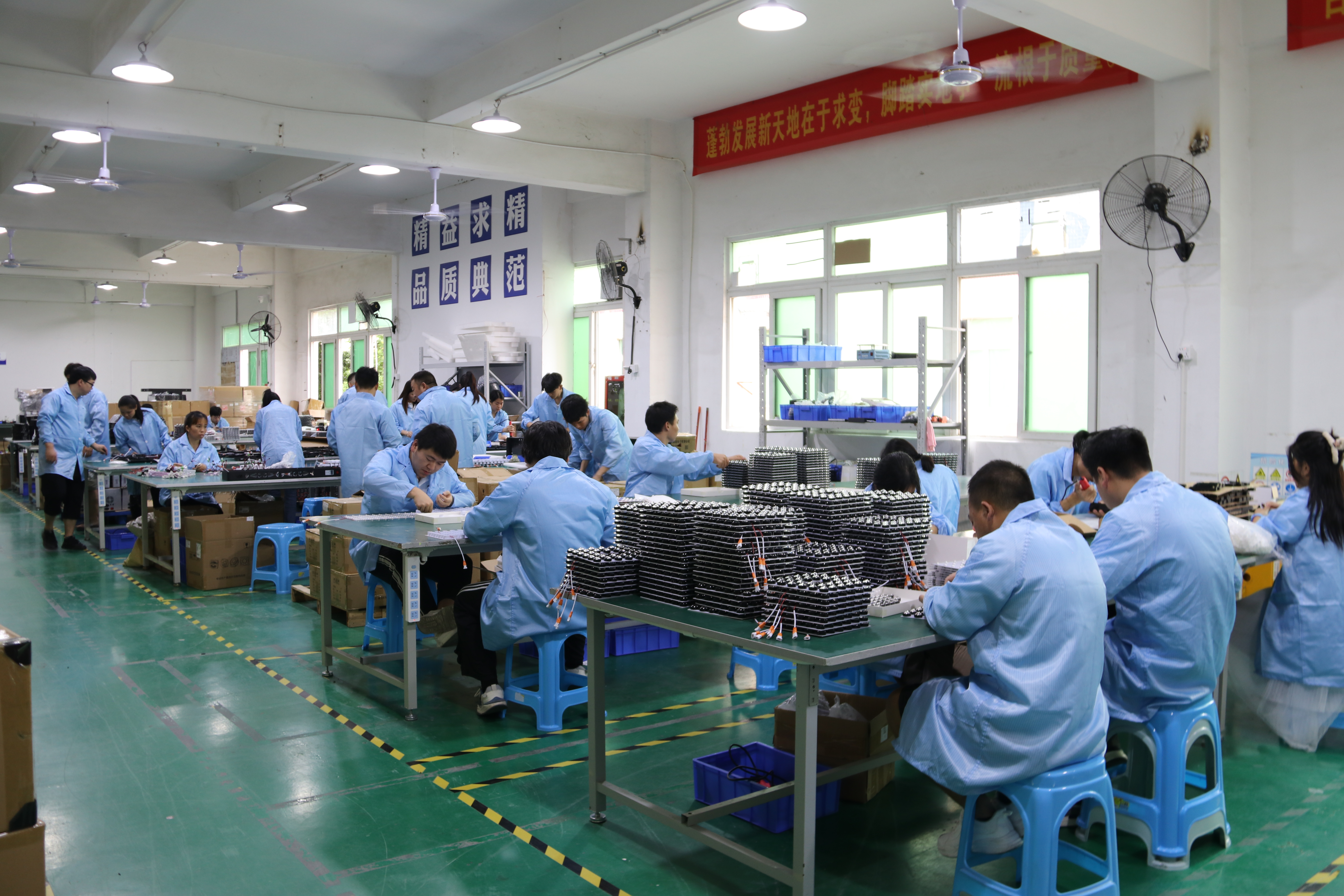
As an R&D manufacturer, we see which OEM/ODM projects evolve into strong, long‑term brands and which struggle. Some consistent patterns have emerged that are highly relevant if you are building or upgrading your light therapy line in 2026.
Across many categories (from supplements to medical devices), a hybrid model tends to work best: launch quickly with ODM, then invest in OEM once you have proof of demand. [champion-bio]
For light therapy brands, that often looks like:
1. Launch phase (ODM)
- Use a proven base design with certified components
- Customize branding, packaging, and user guides
- Validate your price point, channels, and positioning
2. Scale phase (OEM + ODM)
- Lock in exclusive configurations (wavelength mix, irradiance, form factor) for your best‑selling SKUs
- Continue testing new ideas via smaller ODM runs
3. Dominance phase (Full OEM)
- Build a signature product ecosystem (panels, wearables, clinic‑level systems) with fully custom ID design and firmware
- Integrate app control, protocols, and data capture to deepen your moat
This approach balances speed‑to‑market, R&D cost, and IP control, especially in competitive segments like beauty and biohacking devices. [fjnewyifa]
Global wellness and beauty regulations continue to tighten, and retailers are more demanding about documentation and traceability. For brands, that means choosing an OEM/ODM partner that can reliably provide: [champion-bio]
- Up‑to‑date certificates (for example, ISO, IEC, region‑specific requirements)
- Full testing reports for electrical safety, EMC, and photobiological safety
- Clear component traceability and batch documentation
Industry case studies in other OEM categories repeatedly show that compliance failures are one of the biggest reasons for product recalls and lost listings, not just quality issues. In light therapy, this includes verifying wavelength and irradiance claims rather than relying on low‑cost, untested LED assemblies. [fjnewyifa]
From user reviews of competing light therapy products, three UX factors stand out:
- Comfort and ergonomics – devices that are too heavy, too hot, or hard to position end up unused
- Simple, believable protocols – clear instructions (for example, 10 minutes per area, 4–5 times per week) perform better than complex schedules
- Visible build quality – solid construction, intuitive controls, and premium finishes strongly influence perceived efficacy
In our private‑label projects, the brands that win long‑term usually pay as much attention to industrial design, cable management, mounting systems, and interface clarity as they do to headline specifications.
While exact protocols should be tailored by a professional, most successful brands and clinics follow simple, consistent frameworks.
- Skin and anti‑aging
- 5–15 minutes per area
- 3–5 sessions per week
- Distance: typically 15–30 cm from panel, depending on irradiance
- Muscle recovery and joint comfort
- 10–20 minutes per target area
- Right after training or in the evening
- 3–6 times per week
The key is to prioritize consistency over intensity, since most photobiomodulation benefits accrue with regular use rather than single "mega" sessions. [infraredi]
- Acne‑focused blue or red+blue mask
- 10–20 minutes per session
- 4–7 sessions per week during active breakouts
- Then maintenance 2–3 times per week
- Combination devices
- Start with lower frequency (for example, every other day) for sensitive skin
- Gradually increase as tolerated while monitoring dryness and irritation
Brands that integrate clear before/after photography frameworks and usage tracking into their apps or guides tend to generate stronger user engagement and more compelling testimonials.
If you are evaluating manufacturers for your next red or red+blue light project, here is a practical checklist drawn from successful OEM case studies and our own experience. [medicalexpo.com]
- Verified wavelengths
- Ask for spectrometer reports confirming actual peak wavelengths (for example, 633 nm, 660 nm, 415 nm).
- Real irradiance data
- Request third‑party or internal lab tests with clear distance and exposure details.
- Safety and compliance
- Confirm IEC/UL testing where applicable, and photobiological safety evaluation for LEDs.
- Thermal management
- Look for robust heat sinking and temperature protection to preserve LED life and user comfort.
- Industrial design options
- Wall‑mounted panels, modular systems, masks, handhelds—choose formats that match your positioning.
- OEM/ODM flexibility
- Ensure the partner can support both quick ODM launches and deeper OEM customization as you scale.
A strong manufacturer should also be prepared to co‑create protocols, user guides, and training content, since these support your E‑E‑A‑T and conversion rates as much as the hardware itself.
Over the last few years, global buyers have become more selective about where and how they source light therapy devices. On the manufacturing side, this has pushed serious suppliers to invest more in R&D, testing, and customer support.
Experienced OEM/ODM partners in China can offer:
- Integrated R&D for LED selection, optics, and thermal design
- Flexible MOQs, so you can test new SKUs with limited risk
- Regulatory support, including documentation for multiple markets
- Rapid tooling and customization, particularly in the beauty and wellness device segments
Industry OEM case studies in adjacent categories (such as supplements and incontinence products) repeatedly show that brands who treat their OEM as a strategic partner—not just a low‑cost supplier—gain faster innovation cycles, better compliance records, and more resilient supply chains. [rainbowdo]
Red and blue light therapy are powerful, evidence‑backed tools when implemented with the right wavelengths, doses, and protocols—and when explained to users with clarity and realism. For anti‑aging, recovery, and broad wellness outcomes, red light remains the primary workhorse, while blue light and red+blue combinations are the go‑to solutions for acne and oil control. [willowtreestudio]
If you are a brand owner, clinic, or wellness entrepreneur, now is the time to:
- Audit your current devices and content for accuracy
- Clarify where red, blue, or combined light best serve your audience
- Align with an OEM/ODM partner that can support you from concept validation to global scale
When you are ready to develop or upgrade your own line of light therapy devices, consider partnering with an R&D‑driven OEM/ODM manufacturer that can help you optimize both hardware performance and user experience content—so your products not only look good on paper, but deliver consistent results in your customers' daily lives. [medicalexpo.com]
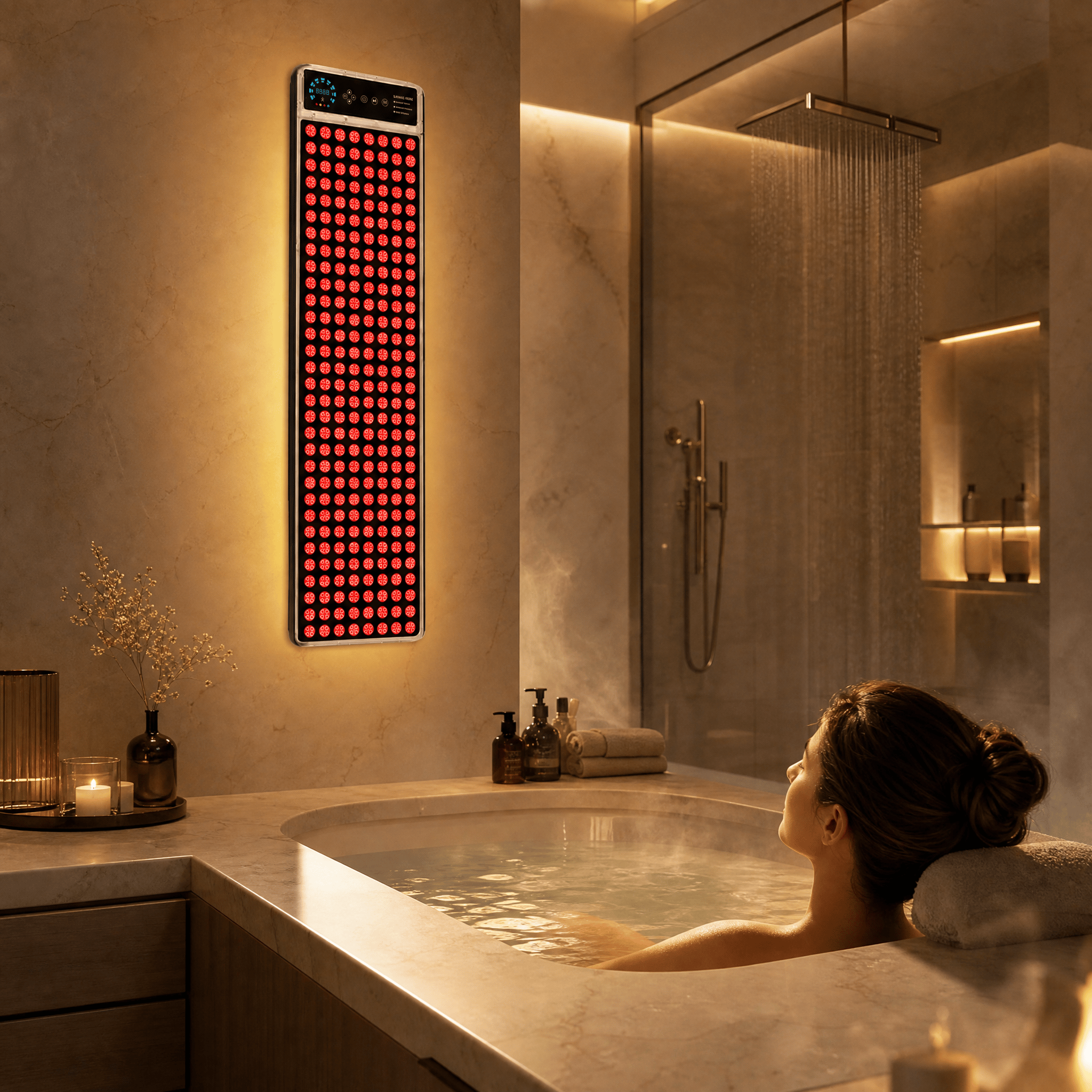
We've launched an waterproof (IP65), -40°~90°C heat/low temperature-resistant light therapy panel specifically built to integrate into saunas room, infrared cabins, hot tub, ice baths, steam baths and showers etc. luxtury wellness space— it delivers red/NIR/amber/blue wavelengths that supports skin rejuvenation, circulation and deep muscle relaxation while withstanding high humidity/heat environment.
If you are interesting for the products and want to know how it improve your business, please inquiry us:
Email: ez@therapy-light.com
WhatsApp: +86 151 1311 0489
1. Is red or blue light therapy better for acne?
Blue light is more directly targeted at acne‑causing bacteria and sebum production, while red light helps reduce inflammation and supports healing. Many protocols combine both for best results. [splendidskincarespa]
2. Can red light therapy help with wrinkles and anti‑aging?
Yes, red light has been shown to support collagen formation, improve skin elasticity, and reduce the appearance of fine lines when used consistently over time at appropriate doses. [infraredi]
3. Is blue light therapy safe for daily use?
When designed and tested correctly, blue light devices for home use are generally considered safe, but users should follow recommended session times and use eye protection as directed. Sensitive individuals may need to start with fewer sessions per week. [thedermdigest]
4. How long does it take to see results from light therapy?
Most users start to notice changes after several weeks of consistent use, with more visible improvements over 8–12 weeks, depending on the indication, device parameters, and protocol adherence. [willowtreestudio]
5. What should I check before buying or private‑labeling a light therapy device?
Verify wavelengths and irradiance with real test reports, confirm safety and compliance certificates, assess build quality and thermal management, and ensure the manufacturer can support your documentation and customization needs. [rainbowdo]
1. Avci, P. et al. "Unlocking the Power of Light on the Skin." *Photobiomodulation and LED Light Therapy Review* (2024). [NIH/PMC article]. [pmc.ncbi.nlm.nih]
2. Splendid Skin Care Spa. "LED Light Therapy for Skin: Red Light vs. Blue Light Explained." (2026). [Article]. [splendidskincarespa]
3. Goldberg, D. et al. "Combination blue (415 nm) and red (633 nm) LED device for acne." Clinical study PDF. [Article]. [madrid.defelipe]
4. Infraredi. "Red Light vs Blue Light Therapy: Full Guide." (2025). [Article]. [infraredi]
5. Willow Tree Studio. "LED Light Therapy: Red vs. Blue Light." (2024). [Article]. [willowtreestudio]
6. MTSOLN. "How to Write an E‑E‑A‑T Optimized Blog Post (for Humans & AI)." (2025). [Article]. [mtsoln]
7. Champion Bio. "Real‑World OEM Case Studies: Private Label Supplement Manufacturing." (2025). [Article]. [champion-bio]
8. MedicalExpo. "红光光疗灯产品信息 – 医疗器械." (2024). [Listing]. [medicalexpo.com]
9. The Derm Digest. "Study: Combining Red and Blue Light Home-use LED Devices Performs Best for Acne." (2025). [Article]. [thedermdigest]
10. LinkedIn – Peace Ajayi. "How to fix old content to meet Google's E‑E‑A‑T standards." (2025). [Post]. [linkedin]
11. New Yifa. "OEM & ODM Manufacturing Guide for Incontinence Products." (2026). [Guide]. [fjnewyifa]
12. Rainbowdo. "OEM vs. ODM in the Beauty Device Industry: A Strategic Roadmap for Brand Owners." (2026). [Article]. [rainbowdo]
13. Wildcat Digital. "How Do You Write E‑E‑A‑T Content?" (2023). [Article]. [wildcatdigital.co]
14. Backlinko. "SEO Content: How to Create Content That Ranks." (2025). [Guide]. [backlinko]


