
- All
- Product Name
- Product Keyword
- Product Model
- Product Summary
- Product Description
- Multi Field Search

Views: 222 Author: EZ-Therapylight Publish Time: 2026-06-08 Origin: Site


Content Menu
● What Is Red Light Therapy – And Why Device Type Matters
● Why Panels Deliver More Power and Coverage
>> Higher irradiance and defined treatment distance
>> More wavelengths, more flexibility
● Where Wraps and Belts Outperform Panels
>> Localized comfort and convenience
>> Perceived safety for new users
● Real‑World Experiences: What Users Actually Say
● Expert Device Design Insights from an OEM/ODM Manufacturer
>> 1. Core technical specs that actually matter
>> 2. Safety, certifications and clinical positioning
● A Practical Framework to Choose: Panel, Wrap – or Both?
>> Choose a red light panel if you:
>> Choose a red light wrap if you:
>> Choose a panel + wrap ecosystem if you:
● Step‑by‑Step: How to Evaluate a Red Light Device Like an Expert
>> Step 1: Confirm wavelengths
>> Step 2: Check published irradiance and measurement methods
>> Step 3: Evaluate coverage vs use case
>> Step 4: Assess build quality and safety
>> Step 5: Review user experience design
● When a Custom OEM/ODM Solution Makes More Sense Than Off‑the‑Shelf
● Design the Right Panel–Wrap Strategy for Your Brand
● Frequently Asked Questions (FAQ)
When you compare red light therapy panels vs wraps, you are really deciding between maximum dose and coverage (panels) and localized, flexible comfort (wraps). For wellness brands, clinics and serious home users, understanding this trade‑off is critical to delivering safe, repeatable and result‑driven protocols. [platinumtherapylights]

Red light therapy (RLT), also called photobiomodulation, uses specific red and near‑infrared (NIR) wavelengths to support skin health, recovery and pain relief at the cellular level. Panels, wraps, belts and masks all use LEDs, but their irradiance, coverage and dosing control differ dramatically. [thehale]
From our perspective as a China‑based OEM/ODM red light therapy manufacturer (EZ‑Therapylight), the device format you choose will directly influence:
- How much energy actually reaches the tissue
- How consistent the dose is between sessions
- How easy it is for end‑users to follow simple, safe protocols
This is where the panel vs wrap question becomes strategic – especially for brands building long‑term trust in wellness, health and biohacking niches. [facebook]
The table below summarizes the most important differences between red light therapy panels and wraps from a practical, results‑oriented standpoint. [bestqool]
| Factor | Red light panels | Red light wraps / pads |
|---|---|---|
| Primary use | Full‑body or large‑area treatments (thehale) | Local, targeted areas (knee, shoulder, lower back) (thehale) |
| Coverage | Broad, uniform field over torso or whole body (platinumtherapylights) | Limited to wrap area; multiple placements needed (thehale) |
| Irradiance (power density) | Often 40–160+ mW/cm² at set distance on quality devices (thehale) | Typically lower, ~5–25 mW/cm² in many consumer wraps (today) |
| Dose control | Easier to standardize distance and time (thehale) | Dose varies with tightness, contact and bending (thehale) |
| Portability | Larger, wall‑mounted or stand‑mounted (thehale) | Highly portable and travel‑friendly (thehale) |
| Session length | Usually shorter for the same delivered energy (thehale) | Often longer to reach comparable dose (thehale) |
| User effort | Requires positioning and space at home or clinic (thehale) | "Wear and go" style, especially for single joints (thehale) |
| Typical price | Higher upfront, especially for full‑body arrays (thehale) | Lower upfront, good entry point or add‑on (thehale) |
Well‑designed red light therapy panels can drive significantly higher irradiance over large areas because they use bigger, actively cooled LED arrays and maintain a defined distance from the body. This makes it easier to: [today]
- Publish verified power data (mW/cm²) at specific distances
- Design clear time‑based protocols for skin, recovery or joint support
- Keep heat manageable even at higher outputs
Industry comparisons show that quality panels can reach 100–160 mW/cm² or more at common treatment distances, while many consumer wraps operate closer to 5–25 mW/cm². For brands and clinics, this matters because it directly affects treatment time and perceived results. [thehale]
Premium panels often integrate multiple red and NIR wavelengths such as 630, 660 and 850 nm to cover both surface and deeper tissues in one session. This is especially attractive for: [pureluxtech]
- Full‑body wellness and biohacking protocols
- Clinics that need one device to handle skin, muscle and joint concerns
- B2B buyers who want a future‑proof flagship product
In OEM/ODM projects, we frequently see brands pair a full‑body panel with a targeted wrap to cover both broad and localized use cases without confusing the customer journey. [reddotled]
Despite lower typical power, wraps, pads and belts win in one area: user comfort and convenience. They shine in situations where: [facebook]
- The user wants hands‑free treatment while working or relaxing
- The target is a specific joint or region (knee, elbow, lower back)
- Portability and storage space are major concerns
Community feedback often describes wraps as the go‑to for persistent knee or lower‑back discomfort because they can be strapped on precisely where needed without rearranging a room. For this user segment, comfort and simplicity can matter as much as raw irradiance. [facebook]
For first‑time consumers, a soft, wearable wrap can feel less intimidating than a tall, high‑powered panel. Brands often use wraps as:
- An entry‑level product to build trust in light therapy
- A cross‑sell for users who already own masks or handhelds
- A way to segment budget‑sensitive buyers without undermining premium panels
From a UX perspective, wraps can increase overall adoption by lowering psychological and financial barriers to trying red light therapy. [reddotled]
When we look at user discussions and reviews around panels vs wraps, a consistent pattern emerges. [today]
- Many people who own both devices say the panel feels noticeably more powerful and is preferred for whole‑body, energy or recovery‑oriented goals. [facebook]
- Wraps are praised for targeted relief and the ability to keep moving around the home or office while treating a single area. [thehale]
- Some users report that panels become their "main" device, while wraps serve as backup or travel tools for specific joints or gym bags. [thehale]
In our own OEM/ODM projects, we see that repeat purchases from advanced users often include a panel upgrade after an initial positive experience with smaller devices like wraps or masks. This aligns with what you would expect from a power‑vs‑convenience decision. [pureluxtech]
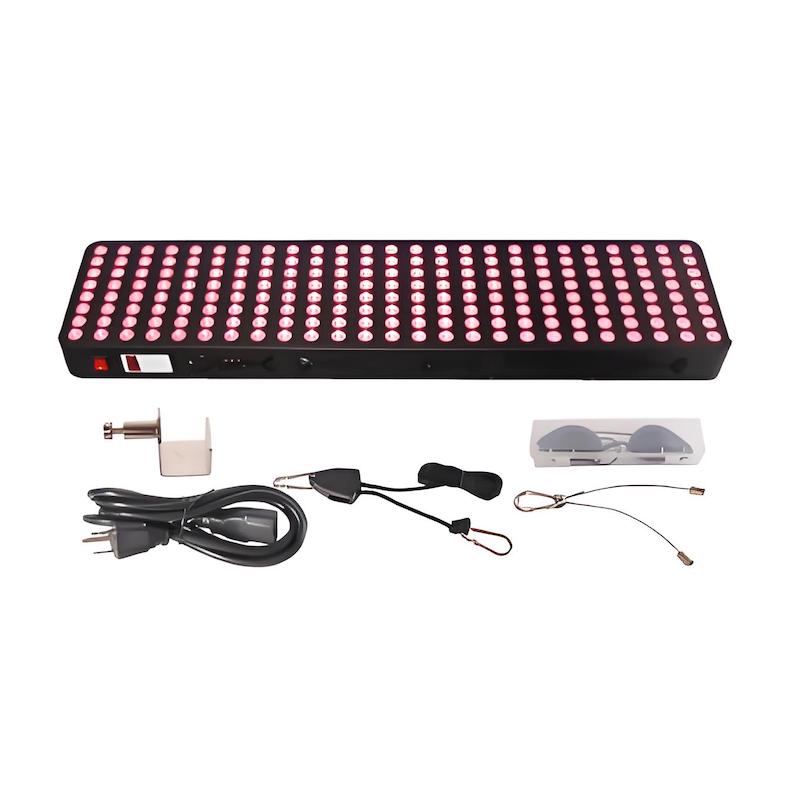
As a dedicated red light therapy device R&D and manufacturing partner in China, we evaluate panels and wraps daily for global wellness, health and biohacking brands. Over time, several design principles have proven critical for both performance and brand reputation. [facebook]
Whether you choose panels or wraps, focus on these four core indicators: [ideatherapy]
- LED count and layout – Uniform grids with at least 60 LEDs for small devices help avoid hot spots and uneven dosing. [ideatherapy]
- Verified irradiance – At least 30 mW/cm² for basic therapeutic effects, with transparent data for different distances. [ideatherapy]
- Wavelength combinations – Proven red and NIR bands (for example 630–670 nm and 810–850 nm) with clear labeling. [pureluxtech]
- Thermal management – Panels need robust heat dissipation; wraps need materials that handle warmth without discomfort. [ideatherapy]
Brands that invest in measurement, testing and transparent spec sheets build far stronger trust with both distributors and end customers. [practicebuilders]
For global B2B buyers, it is not enough that a panel or wrap "feels strong." You also need: [eightohtwo]
- Electrical and product safety certifications aligned with target markets
- Wavelength and irradiance data that can be linked to published photobiomodulation dose ranges
- Clear user manuals detailing distance, time and frequency for common use cases
This is where working with an experienced OEM/ODM manufacturer is critical. As an example, EZ‑TherapyLight develops clinic‑ready panels, facial masks, belts and sauna blankets that are pre‑configured for major markets and applications, which shortens your go‑to‑market time and reduces compliance risk. [facebook]
From a user and brand perspective, there is no single "winner." Instead, the right choice depends on desired outcomes, budget and environment. [bestqool]
- Want full‑body or large‑area coverage in fewer, shorter sessions [platinumtherapylights]
- Care about measurable dosing and repeatable protocols [thehale]
- Have the space to install a vertical or modular system at home or in a clinic [today]
- Are building a premium wellness, biohacking or recovery brand that needs a flagship device [reddotled]
- Primarily want to treat one or two problem areas, such as knees, ankles or lower back [facebook]
- Need a portable, packable solution for travel, gym or office [facebook]
- Prefer a lower entry price and a softer, more familiar wearable form factor [today]
- Manage a clinic, spa or sports facility that handles both systemic recovery and localized pain [reddotled]
- Run an e‑commerce wellness brand and want a clear upgrade path from starter devices to advanced panels [pureluxtech]
- Want to maximize lifetime value while keeping product education simple and honest
In our experience, the highest‑performing brands build a tiered product line: mask or wrap as entry, panel as the hero product, with accessories designed around precise protocols rather than random upsells. [facebook]
To close the information gap that many consumer‑level articles leave open, here is a practical checklist you can use or adapt into your own brand content. [youtube]
- Look for specific numbers, not vague terms like "deep red." [pureluxtech]
- For most skin and recovery applications, 630–670 nm plus 800–850 nm bands are widely used and well documented. [youtube]
- Verify that irradiance is given in mW/cm² with distance clearly stated (for example, 100 mW/cm² at 15 cm). [ideatherapy]
- Be cautious of very high claims without test reports or explanation of the measuring device. [thehale]
- For panels, check size and recommended distance to estimate how much of the body is illuminated at once. [platinumtherapylights]
- For wraps, consider the exact joint or body area and whether you will need multiple placements per session. [facebook]
- Look for stable housing, heat management, overheat protection and quality power supplies. [reddotled]
- Confirm certifications appropriate to your market (for example, CE, FCC or others as required). [practicebuilders]
- Read real reviews to understand noise, heat, comfort and ease of setup. [today]
- Check whether the interface offers simple timers, modes and clear instructions, not just marketing claims. [youtube]
For B2B buyers, these steps should be part of your supplier vetting process, not just your product comparison. This is where working directly with a specialized manufacturer like EZ‑TherapyLight allows you to co‑create devices that pass both technical and UX testing before you place your brand name on them. [facebook]
For brands, clinics and distributors with specific positioning or regulatory targets, an off‑the‑shelf panel or wrap is often a temporary solution. A custom OEM/ODM project may make more sense if you: [pureluxtech]
- Need unique wavelength combinations, panel dimensions or wrap shapes to differentiate your brand
- Plan to scale into multiple markets and want certifications and documentation tailored from the start [reddotled]
- Want consistent industrial design across panels, masks, belts and sauna blankets for a cohesive product ecosystem [facebook]
As a specialized Chinese OEM/ODM partner, EZ‑TherapyLight works with international light therapy and wellness brands to co‑develop devices that align with their clinical advisors, brand identity and target regions. This includes support for product concept, prototyping, testing and long‑term supply. [facebook]
If you are a light therapy or wellness brand, clinic, distributor or biohacking entrepreneur, the most strategic decision is not "panel or wrap," but which combination of both formats best serves your users and your positioning. [thehale]
At EZ‑TherapyLight, we help you:
- Define the ideal device mix for your target users and price tiers
- Translate your clinical or coaching philosophy into wavelengths, irradiance and form factors
- Build a scalable OEM/ODM roadmap that can grow from a single hero product into a full ecosystem
If you are planning or optimizing a red light product line, reach out to explore custom panel and wrap solutions designed around your brand's goals and your customers' real needs. [reddotled]

We've launched an waterproof (IP65), -40°~90°C heat/low temperature-resistant light therapy panel specifically built to integrate into saunas room, infrared cabins, hot tub, ice baths, steam baths and showers etc. luxtury wellness space— it delivers red/NIR/amber/blue wavelengths that supports skin rejuvenation, circulation and deep muscle relaxation while withstanding high humidity/heat environment.
If you are interesting for the products and want to know how it improve your business, please inquiry us:
Email: ez@therapy-light.com
WhatsApp: +86 151 1311 0489
1. Are red light therapy panels always better than wraps?
Panels are generally better for full‑body coverage, higher irradiance and more controlled dosing, while wraps are better for targeted, portable and hands‑free treatments. [today]
2. How far should I stand from a red light panel?
Most panels specify a recommended distance (for example, 15–30 cm), and irradiance values are usually measured at those distances to keep dosing consistent. [ideatherapy]
3. Can I use a wrap and a panel on the same day?
Many users and practitioners combine a short full‑body panel session with extra time using a wrap on specific joints, as long as total exposure stays within recommended guidelines. [youtube]
4. What wavelengths should I look for in a red light device?
For skin, recovery and general wellness, devices commonly use red wavelengths around 630–670 nm and near‑infrared around 800–850 nm, often in combination. [youtube]
5. What should clinics and wellness brands prioritize when choosing a manufacturer?
They should prioritize verified irradiance data, relevant certifications, stable supply, clear UX‑oriented protocols and OEM/ODM partners with documented expertise in light therapy devices. [eightohtwo]
1. Platinum Therapy Lights – "Red Light Therapy: Panels vs. Wraps"
[https://platinumtherapylights.com/blogs/news/red-light-therapy-panels-vs-wraps] [platinumtherapylights]
2. Bestqool – "Red Light Therapy Panels vs Wraps: Which to Choose?"
[https://www.bestqool.com/blogs/news/red-light-therapy-panels-vs-wraps] [bestqool]
3. Hale Health – "Red Light Therapy Panels vs Wraps Compared"
[https://thehale.ca/compare/red-light-therapy-panels-vs-wraps] [thehale]
4. TODAY.com – "The Difference Between a Red Light Therapy Mask and Panel"
[https://www.today.com/shop/red-light-therapy-mask-vs-panel-rcna343126] [today]
5. Practice Builders – "Google E‑A‑T in Healthcare: How to Deliver Quality Content"
[https://www.practicebuilders.com/blog/google-eat-and-healthcare-content-how-to-deliver-the-quality-content] [practicebuilders]
6. Eight Oh Two – "SEO & GEO Tips for Healthcare Companies"
[https://eightohtwo.com/blog/seo-and-geo-tips-for-healthcare-companies] [eightohtwo]
7. Boostability – "Google E‑E‑A‑T (2024 Ultimate Guide)"
[https://www.boostability.com/resources/google-e-e-a-t-guide] [boostability]
8. IdeaTherapy – "Red Light Therapy Panel Structure: LED Count and Irradiance"
[https://www.ideatherapy.com/cn/new/red-light-therapy-panel-structure-led-count-and-irradiance.html] [ideatherapy]
9. EZ‑TherapyLight – Manufacturer and OEM/ODM Profile
[https://www.facebook.com/eztherapylight/] [facebook]
10. REDDOT LED – "Red Light Therapy Devices for Sale: B2B Buyer's Guide"
[https://www.reddotled.com/red-light-therapy-devices-for-sale-the-complete-b2b-guide-to-choosing-the-right-manufacturer-and-equipment] [reddotled]
11. Purelux Tech – "Top 3 Red Light Therapy Masks with 630nm and 850nm (2026 Expert Guide)"
[https://www.pureluxtech.com/mrj/top-3-red-light-therapy-masks-with-630nm-and-850nm-2026-expert-guide/] [pureluxtech]
12. Ageless Skin – "How to Choose a Red Light Therapy Device" (YouTube)
[https://www.youtube.com/watch?v=yEU_V3ICK-k] [youtube]
13. Facebook Community Discussion – "Why Choose a Panel Over a Body Wrap/Pad for Red Light…"
[https://www.facebook.com/groups/459867361226438/posts/1525954124617751/] [facebook]


