

Views: 222 Author: EZ-Therapylight Publish Time: 2026-06-03 Origin: Site


Red light therapy has evolved from early sunlight-based healing to a global photobiomodulation industry, and today it is reshaping how people think about performance, recovery, and everyday wellness. As a professional OEM/ODM manufacturer, we have seen first-hand how modern LED technologies and evidence-based design are changing both consumer expectations and clinical practice worldwide. [avantibody]
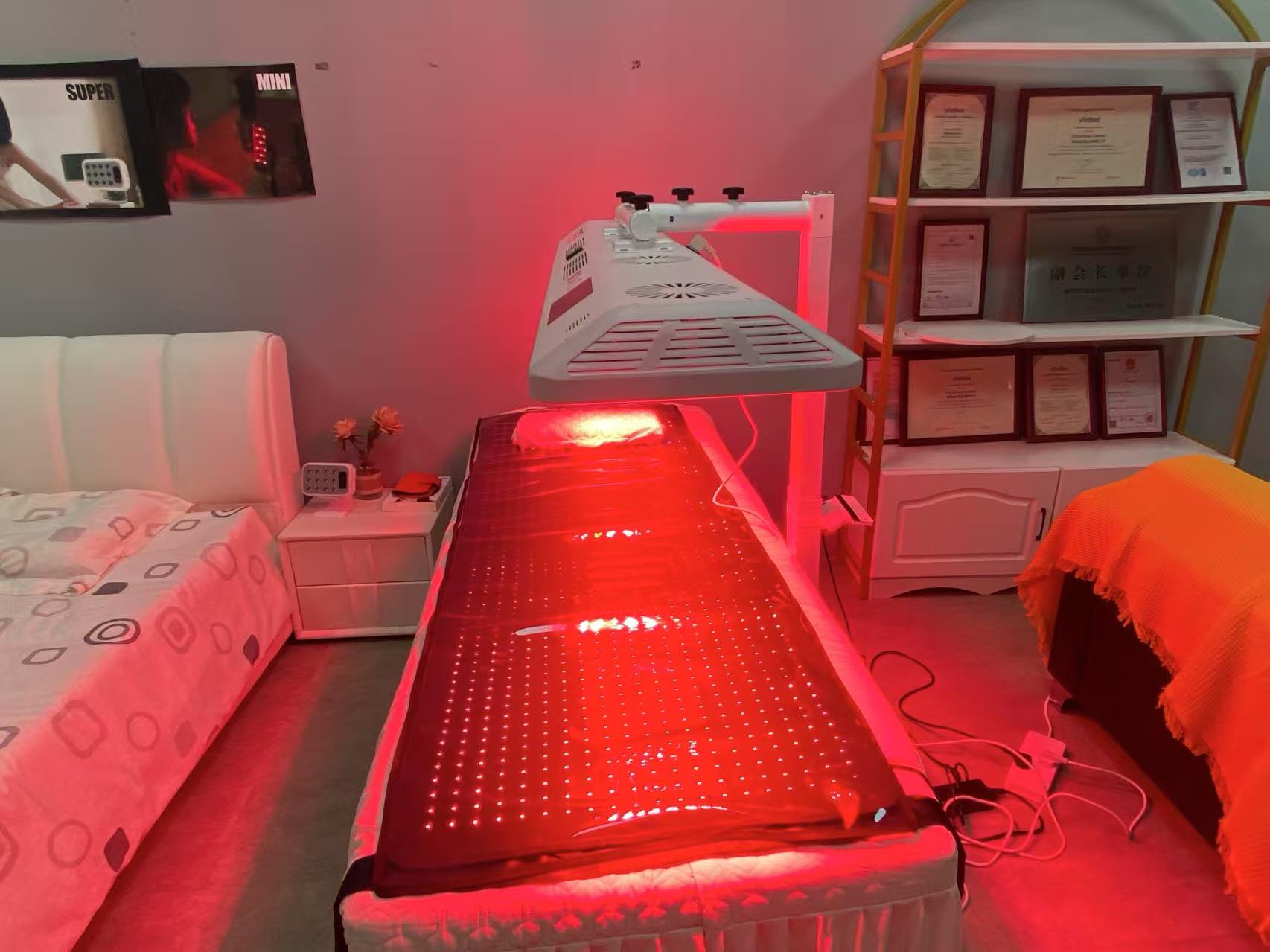
Red light therapy (often called photobiomodulation) uses specific red and near-infrared wavelengths to stimulate cellular energy production in the mitochondria. By enhancing mitochondrial function, red light therapy can support tissue repair, reduce certain types of pain and inflammation, and improve markers such as skin quality, sleep, and exercise recovery in selected populations. [platinumtherapylights]
For users, this typically means short, non-invasive sessions in front of LED panels or targeted devices delivering controlled doses of red and near-infrared light. Because there is no heat damage or tissue ablation, red light therapy is generally classified as a low-risk modality when used appropriately and in line with product instructions and medical guidance. [avantibody]
Long before LEDs or lasers existed, ancient cultures used sunlight as a broad-spectrum therapy for mood, skin, and general vitality. Historical records from Egypt, Greece, and other civilizations describe the controlled use of sunlight for various ailments, even though the underlying mechanisms were unknown at the time. [havenofheat]
In the modern scientific era, the story shifts from intuition to measurement, as physicists and physicians began to separate and quantify different wavelengths of light and their effects on the body. This shift laid the foundation for what we now recognize as phototherapy and, eventually, red light therapy. [avantibody]
In 1666, Isaac Newton demonstrated that white sunlight could be split into different colors using a prism, effectively founding the modern field of optics. He showed that light is composed of multiple wavelengths, each with distinct properties, which later allowed scientists to isolate and study specific parts of the spectrum, including red and near-infrared light. [avantibody]
This early insight seems abstract, but it is foundational: without understanding that wavelength matters, we would not have the targeted LED-based systems that define red light therapy today. Newton's work effectively opened the door for the precise dose-controlled light therapies that modern wellness and medical devices depend on. [avantibody]
The invention of the practical electric lightbulb in 1879 made artificial light accessible and controllable for everyday use. Instead of relying solely on sunlight or flame, scientists and clinicians could now experiment with consistent, reproducible light sources in laboratories and hospitals. [avantibody]
Electric lighting later paved the way for specialized lamps and medical phototherapy devices, helping researchers explore how varying brightness, exposure time, and wavelength influence physiological responses. This improved control became a critical stepping stone toward the targeted red light therapy devices used today in clinics, gyms, and homes. [platinumtherapylights]
In the 1890s, Danish physician Niels Ryberg Finsen began using concentrated light for medical treatment, including smallpox and lupus. His work culminated in a Nobel Prize in Physiology or Medicine in 1903, recognizing his contribution to treating diseases—especially lupus vulgaris—using carefully directed light. [avantibody]
Finsen's personal experience with chronic illness and the perceived benefits of sunlight influenced his research path, making him one of the first clinicians to combine personal observation, rigorous experimentation, and clinical outcomes in light therapy. Modern red light therapy builds on this legacy by using specific wavelengths instead of broad-spectrum light to achieve targeted biological effects. [platinumtherapylights]
In 1917, theoretical work by Albert Einstein laid the groundwork for laser technology, which later became central to many medical and cosmetic procedures. Although lasers are distinct from low-level LED devices, both share a focus on controlled energy delivery at specific wavelengths. [avantibody]
By 1935, scientists understood that vitamin D production could be stimulated by ultraviolet light, demonstrating that light alone can trigger significant biochemical changes in healthy individuals. In 1956, observations of infants with jaundice led to the development of phototherapy for high bilirubin levels, confirming that targeted light exposure could safely treat specific conditions in clinical practice. [avantibody]
These milestones helped normalize light as a legitimate medical tool, rather than just a passive environmental factor. They also showed that subtle changes in wavelength and dose can dramatically alter outcomes—an idea central to current red light protocols. [platinumtherapylights]
The first visible light-emitting diode (LED) was introduced in 1962, initially emitting red light. LEDs allowed engineers to create light sources that were efficient, compact, and capable of emitting narrow-band wavelengths—ideal conditions for future photobiomodulation applications. [avantibody]
Early reports from Eastern Europe describe the use of LED-based light for pain and arthritis, even before large-scale clinical trials were conducted. However, it was not until later decades that systematic research and standardized devices began to emerge. [platinumtherapylights]
In the early 1990s, advances in materials and manufacturing made LEDs more cost-effective and widely available, thanks in part to researchers such as Shuji Nakamura. These developments moved LEDs from niche technology to a mainstream lighting solution, accelerating the development of specialized red and near-infrared devices. [avantibody]
From a user perspective, this meant that high-output yet energy-efficient panels could be produced at scale, enabling everything from clinical equipment to compact home-use devices. For manufacturers, it opened the door to designing products with tighter wavelength tolerances and more reliable performance. [forbes]
In the 1990s, NASA used red light to support plant growth in space, inadvertently noticing that researchers frequently exposed to the light experienced faster healing of skin lesions. Subsequent NASA-sponsored studies in the early 2000s suggested that red light therapy could enhance wound healing, including reports of up to 40% faster healing in specific contexts such as military applications. [platinumtherapylights]
These findings helped shift red light therapy from a niche experiment to a serious candidate for tissue repair and performance recovery, stimulating extensive research into dose, wavelength, and safety. [platinumtherapylights]
A landmark paper in Photomedicine and Laser Surgery in 2008 described how red and near-infrared light modulate mitochondrial activity, influencing cell metabolism, immune responses, and inflammation. Researchers reported that red light penetrates deeper into tissue than shorter wavelengths, which helps explain its effects on muscles, joints, and subcutaneous structures. [platinumtherapylights]
This mechanistic insight gave clinicians and wellness practitioners more confidence in structuring protocols that balance irradiance, exposure time, and frequency for different applications. It also set a baseline for future device development, including safety standards and testing methods. [platinumtherapylights]
In 2012, a study in Chinese basketball players found that red light therapy improved sleep quality, suggesting benefits for athletes and high-performance individuals. Subsequent work has explored how evening or pre-sleep exposure to specific red wavelengths may influence circadian rhythms and subjective sleep quality. [platinumtherapylights]
From a user standpoint, this sparked interest from sports teams, fitness centers, and biohackers, who began integrating red light sessions into recovery routines alongside cold therapy, massage, and mobility work. It also opened a new category of consumer devices aimed at sleep and relaxation support. [cnet]
Around 2013, research began exploring red light therapy applied to the head and brain, with early studies reporting measurable improvements in cognitive performance under controlled conditions. While this area is still developing, findings have motivated further investigations into neurorehabilitation, mood, and age-related cognitive changes. [platinumtherapylights]
As manufacturers, we see strong interest from biohacking and longevity communities seeking carefully engineered devices with validated safety profiles and precisely defined energy densities for head and neck applications. Responsible product design in this category requires especially tight controls on intensity and exposure guidelines. [forbes]
By 2016, multiple studies supported the idea that red light therapy can modulate inflammatory processes, especially for musculoskeletal pain and joint issues. The proposed mechanism centers on mitochondrial signaling pathways and their influence on oxidative stress and inflammatory mediators. [avantibody]
A 2021 review noted a reasonable body of clinical trial evidence supporting red/near-infrared light as a safe and effective method for skin rejuvenation, acne, alopecia, body contouring, and selected pain and tissue repair indications when used properly. However, results vary by protocol, device quality, and individual condition, making professional guidance and evidence-based device selection crucial. [forbes]

Recent market analyses estimate that the global red light therapy market reached around 440–444 million USD by 2024–2025, with projections exceeding 650 million USD by 2032. This growth is driven by rising consumer interest in at-home wellness devices, the expansion of med-spa and recovery clinics, and a wave of new clinical and performance use cases. [cnet]
Red light therapy is often framed as part of a broader biohacking and longevity toolkit, alongside wearables, breathwork, sauna use, and sleep optimization technologies. At the same time, regulators and clinicians emphasize the importance of realistic claims, robust safety testing, and transparent labeling to keep user expectations aligned with current evidence. [wgcontent]
From our experience supporting global Light Therapy, Wellness, Health, and Biohacking brands, users typically describe red light therapy in three ways:
- As a daily ritual: Short sessions integrated into morning or evening routines for mood, focus, or skin support.
- As a recovery tool: Used after training or long work days to support perceived muscle relaxation and joint comfort.
- As a targeted solution: Applied to specific areas, such as the face, knees, or lower back, based on practitioner guidance or personal experimentation.
User feedback often highlights comfort, convenience, and device trust as decisive factors in real-world adherence—features such as silent operation, stable stands, intuitive interfaces, and clear usage guidance frequently appear in positive reviews. This is where thoughtful OEM/ODM design and long-term product support strongly influence outcomes and brand reputation. [cnet]
Drawing on our role as a specialized red light therapy device R&D and manufacturing partner, several design pillars consistently emerge as critical for both users and professional buyers: [forbes]
1. Accurate wavelength output
Maintaining tight wavelength bands in the red and near-infrared ranges is essential for consistency and scientific alignment. [platinumtherapylights]
2. Controlled irradiance and dosage
Devices should deliver energy densities that fall within ranges used in published studies while minimizing risk of overexposure. [avantibody]
3. Thermal and electrical safety
Proper heat management, circuit protection, and regulatory compliance (such as IEC/EN standards where applicable) are fundamental trust factors. [semrush]
4. User-centric ergonomics
Adjustable mounts, intuitive controls, session timers, and clear documentation make it easier for users to follow evidence-informed protocols. [semrush]
5. Transparent documentation
Professional buyers increasingly expect test reports, photometric data, and clear disclaimers about intended uses and limitations. [wgcontent]
By aligning engineering, quality control, and UX design with these pillars, manufacturers can support brands in delivering devices that are both effective and credible in competitive markets. [cnet]
For individuals and practitioners exploring red light therapy, the following step-by-step framework offers a practical starting point consistent with current evidence and safety guidance: [semrush]
1. Clarify your goal
Identify whether your primary focus is skin, recovery, joint comfort, sleep, or another supported area.
2. Choose an evidence-aligned device
Look for devices that publish wavelength ranges, irradiance values, and safety certifications, rather than purely marketing claims.
3. Start with conservative dosing
Begin with shorter sessions at a moderate distance and gradually adjust based on comfort, guidance from health professionals, and manufacturer recommendations.
4. Avoid sensitive or contraindicated areas
Follow product manuals and medical advice regarding eyes, implants, pregnancy, or other specific health considerations.
5. Track perceived outcomes
Maintain a simple log of sleep, pain levels, recovery metrics, or skin changes to evaluate whether your protocol is genuinely helpful.
6. Consult qualified professionals
For medical conditions, always involve healthcare providers, as red light therapy should complement—not replace—appropriate clinical care.
These steps help users move beyond hype and implement red light therapy as a structured, monitored component of a broader wellness or clinical strategy. [semrush]
Aspect | At-Home Devices | Clinical / Professional Systems |
|---|---|---|
Typical power & size | Compact panels or handhelds with moderate irradiance. cnet | Larger arrays or full-body systems with higher output and advanced controls. forbes |
Primary users | Consumers, biohackers, wellness enthusiasts. forbes | Physicians, therapists, performance coaches. forbes |
Main use cases | Cosmetic support, perceived recovery, general wellness. platinumtherapylights | Targeted rehab, adjunctive therapy, structured protocols. platinumtherapylights |
Supervision level | Self-directed, manual-based use. semrush | Professional assessment and monitoring. platinumtherapylights |
Regulatory environment | Often sold as wellness or cosmetic devices. avantibody | More likely to fall under stricter medical device frameworks. semrush |
Data & documentation | Varies widely; leading brands publish specs and studies. platinumtherapylights | Typically supported by more formal clinical documentation. platinumtherapylights |
Understanding these differences helps users set realistic expectations and guides brands in positioning their products responsibly. [semrush]
Although red light therapy is generally regarded as low risk when used appropriately, it is not a cure-all and should not be marketed as such. Quality devices and responsible brands clearly communicate that red light therapy does not diagnose, treat, cure, or prevent disease, and that individual outcomes vary. [semrush]
From an E-E-A-T perspective, credible content and product pages should: [wgcontent]
- Provide transparent disclaimers and encourage consultation with licensed medical providers. [semrush]
- Link to peer-reviewed research, summarizing findings without overpromising. [semrush]
- Update content periodically to reflect new studies, regulatory changes, and safety guidance. [wgcontent]
As manufacturers, we support these goals by supplying accurate technical data, quality control documentation, and realistic usage guidelines to our OEM/ODM partners. [forbes]
For brands, wholesalers, and producers focused on Light Therapy, Wellness, Health, and Biohacking, working with a dedicated red light therapy OEM/ODM partner offers several strategic advantages: [cnet]
- Faster time-to-market through proven optical, electrical, and mechanical platforms.
- Customization options (wavelength mixes, form factors, controls, branding) aligned with target audiences.
- Evidence-informed design that reflects current research on dose and safety. [platinumtherapylights]
- Scalable quality management supported by testing, traceability, and compliance documentation. [semrush]
By combining engineering expertise with user-centric design and clear communication, OEM/ODM collaborations make it easier for brands to launch devices that are both commercially competitive and scientifically grounded. [forbes]
If you are developing or scaling a Light Therapy, Wellness, Health, or Biohacking brand, now is an ideal time to invest in evidence-aligned, user-centered red light devices. Whether you need full OEM solutions or tailored ODM customization, a specialized manufacturing partner can help you align design, performance, and brand story around what real users care about most—safety, comfort, and meaningful results. [cnet]
We invite you to explore collaborative opportunities, share your product roadmap, and discuss how optimized red light technology can elevate your portfolio and support your customers' long-term wellness journeys. [forbes]
We've launched an waterproof (IP65), -40°~90°C heat/low temperature-resistant light therapy panel specifically built to integrate into saunas room, infrared cabins, hot tub, ice baths, steam baths and showers etc. luxtury wellness space— it delivers red/NIR/amber/blue wavelengths that supports skin rejuvenation, circulation and deep muscle relaxation while withstanding high humidity/heat environment.
If you are interesting for the products and want to know how it improve your business, please inquiry us:
Email: ez@therapy-light.com
WhatsApp: +86 151 1311 0489

1. Is red light therapy safe for daily use?
Current evidence suggests that red light therapy is generally safe when devices are used as directed and doses remain within studied ranges, but users should follow product guidelines and consult healthcare providers for medical conditions. [semrush]
2. How long does it take to see results?
Timelines vary by goal; cosmetic and recovery applications may show changes over several weeks of consistent use, whereas more complex conditions require individualized assessment and medical oversight. [cnet]
3. Can I use red light therapy instead of medical treatment?
No. Red light therapy should be considered a supportive modality and must not replace diagnosis, treatment, or follow-up with licensed healthcare professionals. [semrush]
4. What wavelengths are most commonly used?
Many research-informed devices focus on red wavelengths around the visible red range and near-infrared bands, though optimal combinations depend on target tissues and protocols. [avantibody]
5. How do I choose a reliable device?
Look for transparent technical specifications, published wavelength and irradiance data, safety certifications, clear disclaimers, and manufacturer support that aligns with current scientific and regulatory standards. [cnet]
1. Mito Red Light. "The History of Red Light Therapy: A Comprehensive Timeline."
<https://mitoredlight.com/blogs/mito-red-blog/the-history-of-red-light-therapy-a-comprehensive-timeline> [avantibody]
2. Avanti Body. "The Fascinating History of Red Light Therapy."
<https://avantibody.com/blog/the-history-of-red-light-therapy/> [avantibody]
3. Platinum Therapy Lights. "The History of Red Light Therapy."
<https://platinumtherapylights.com/blogs/news/the-history-of-red-light-therapy> [platinumtherapylights]
4. Forbes. "The Billion-Dollar Glow: Red Light Therapy's Astounding Rise."
<https://www.forbes.com/sites/forbes-personal-shopper/2026/02/25/the-rise-of-red-light-therapy/> [forbes]
5. CNET. "Best Red Light Therapy Devices of 2026, Tested and FDA …"
<https://www.cnet.com/health/personal-care/best-red-light-therapy-devices/> [cnet]
6. WGContent. "E-E-A-T for Content Quality."
<https://wgcontent.com/blog/eeat-content-quality-seo-geo/> [wgcontent]
7. Semrush. "Google E-E-A-T: What It Is & How It Affects SEO."
<https://www.semrush.com/blog/eeat/> [semrush]
8. Haven of Heat. "红光疗法的历史:从古代实践到现代技术."
<https://havenofheat.com/zh/blogs/red-light-therapy-guides/history-of-red-light-therapy> [havenofheat]


