
- All
- Product Name
- Product Keyword
- Product Model
- Product Summary
- Product Description
- Multi Field Search

Views: 222 Author: EZ-Therapylight Publish Time: 2026-06-09 Origin: Site


Content Menu
● What Is Red and Infrared Light Therapy?
● How Red and NIR Light Work in the Skin
● Red vs Infrared for Anti‑Aging: Key Differences
>> Wavelengths and Depth of Penetration
● Why Experts Prefer a Red + NIR Combination
● What the Research Actually Says
● Real‑World Treatment Protocols: What Actually Works
>> 1. Session Length and Frequency
>> 2. Distance from the Device
>> 3. Treatment Timeline and Expectations
● Practical User Tips for Better Anti‑Aging Results
● Device Considerations: Why Panel Quality Matters
● Is Red and Infrared Light Therapy Safe?
● Who Benefits Most from Red vs NIR—and Who Needs Both?
● Simple Step‑By‑Step Anti‑Aging Routine You Can Follow
● FAQs
If you are choosing between red light therapy and infrared (near‑infrared) light therapy for anti‑aging, the most evidence‑based answer is that a combination of both wavelengths delivers the most comprehensive results for skin rejuvenation and overall wellness. This guide blends clinical research, hands‑on practitioner experience, and real user feedback to help you make confident decisions—and to design better protocols or product line‑ups if you are a wellness professional. [webmd]
Red light therapy (RLT) uses visible red wavelengths (typically around 610–660 nm) that primarily act on the epidermis and dermis—the surface and mid‑layers of the skin. It is widely used for wrinkles, fine lines, redness, acne, scars, and general skin texture. [my.clevelandclinic]
Infrared light therapy, in the anti‑aging context, usually refers to near‑infrared (NIR) light in the 810–850 nm range, which is invisible to the eye and penetrates several centimeters into tissue, reaching subcutaneous layers, muscles, and even superficial joints. NIR is commonly used for circulation, muscle recovery, joint pain, systemic inflammation, and deeper tissue repair. [renulounge]
Because many devices combine both red and NIR LEDs, the term "red light therapy" is often used as a convenient shorthand for both red and near‑infrared light. High‑quality panels for home or professional use typically integrate multiple wavelengths (e.g., several red and several NIR peaks) to cover different depths of tissue. [lighttherapyiq]

At the cellular level, both red and NIR light operate under the umbrella of photobiomodulation—light‑driven modulation of biological processes. When photons interact with chromophores inside the cell (notably in the mitochondria), they stimulate the production of ATP, the cell's energy currency. [health.harvard]
This ATP boost has several downstream anti‑aging effects:
- Supports mitochondrial function so cells repair and renew more effectively.
- Reduces oxidative stress and chronic inflammation, two core drivers of premature aging. [pmc.ncbi.nlm.nih]
- Improves cell signaling and growth factor release, supporting collagen and elastin production in the dermis. [webmd]
From a practical standpoint, red light dominates in the upper 1–2 cm of skin, while NIR continues deeper up to about 5 cm, meaning they overlap in the superficial layers and then NIR continues to act on deeper tissues. This overlapping penetration is one of the main reasons using both together creates a stronger cumulative response. [foreo]
- Red light (610–660 nm):
- Visible, non‑thermal, mild sensation at most.
- Targets epidermis and dermis, ideal for fine lines, crow's feet, age spots, redness, and texture. [aad]
- Near‑Infrared light (810–850 nm):
- Invisible, can feel slightly warm with higher power densities.
- Penetrates several centimeters, influencing subcutaneous tissue, muscles, and circulation. [renulounge]
In facial anti‑aging protocols, red light alone can already produce visible rejuvenation, but combining red and NIR reaches both the visible signs (skin surface) and some of the deeper, systemic drivers of aging such as low‑grade inflammation and impaired microcirculation. [lighttherapyiq]
- Use red light when your primary goals are:
- Softer fine lines and wrinkles
- More even tone and pigmentation
- Smoother texture and reduced roughness
- Support for acne, rosacea, or post‑inflammatory marks [my.clevelandclinic]
- Add NIR when you also want to:
- Address deeper inflammation that accelerates aging
- Support vascular and lymphatic circulation
- Help with muscle recovery, joint discomfort, neck and jaw tension, or overall wellness in the same sessions [health.harvard]
From both clinical literature and practitioner experience, the most consistent, high‑impact anti‑aging results tend to come from protocols that combine red and near‑infrared light. [pmc.ncbi.nlm.nih]
1. Synergistic effects in the first 2 cm of tissue
In the upper dermis, both red and NIR are absorbed and effectively "double‑team" the same fibroblasts, capillary networks, and immune cells. Users often report faster visible changes—brighter tone, improved texture, and a "healthier" look—when both wavelengths are present at appropriate power densities. [webmd]
2. Deeper action on systemic inflammation and circulation
Chronic low‑grade inflammation, poor microcirculation, and lymphatic stagnation all contribute to dull, tired‑looking skin and slower collagen turnover. NIR can reach layers beyond red's penetration depth, modulating inflammation in deeper connective tissue and supporting blood and lymph flow around the treated region. [foreo]
3. More versatile treatment value
High‑output combination panels are used not only for anti‑aging, but also for:
- Hair restoration
- Joint and muscle pain
- Wound healing and scar remodeling
- Performance recovery, sleep support, and general wellness [nature]
Many home and professional users begin with facial rejuvenation goals and then expand into whole‑body protocols once they see improvements in energy, soreness, or mood. [lighttherapyiq]
A growing number of clinical and preclinical studies back up the use of red and NIR for skin aging:
- A controlled trial using red and NIR LED therapy found significantly improved skin complexion, smoothness, and collagen density, with many participants showing meaningful reductions in photoaging scores over 8–12 weeks. [pmc.ncbi.nlm.nih]
- Combined 633 nm (red) and 830 nm (NIR) exposure led to 25–50% improvement in photoaging scores in more than half of participants and substantial improvement in periorbital wrinkles for the majority. [webmd]
- Laboratory work on human dermal cells shows that low‑level red and NIR light can increase the synthesis of collagen, elastin, and hyaluronic acid within just a few days, all of which are critical to skin plumpness and elasticity. [lighttherapyiq]
- Reputable medical sources such as major dermatology associations and academic centers note that red‑light devices can deliver subtle to noticeable improvements in fine lines, dark spots, roughness, and redness, especially when used consistently over several weeks. [aad]
These findings align closely with what experienced clinicians see in practice and what many long‑term users report: not a "miracle" overnight fix, but gradual, measurable improvement in skin quality and skin "age" over one to three months when protocols are followed correctly. [aad]
Based on a blend of clinical data and long‑term user feedback, effective at‑home and in‑clinic anti‑aging protocols share three core rules: short treatments, high consistency, and patience. [my.clevelandclinic]
- Session duration:
- Start with about 5–10 minutes per area, gradually moving up to 15–20 minutes if your skin tolerates it well.
- Beyond ~20 minutes on the same area, returns tend to diminish. [health.harvard]
- Frequency:
- Aim for 3–5 sessions per week in the first 8–12 weeks.
- Daily short sessions (for example, 5–10 minutes) can be highly effective for motivated users. [my.clevelandclinic]
- Most high‑output panels are used at 15–30 cm (6–12 inches) from the skin to balance power density and comfort. [renulounge]
- Closer distances may be used for targeted treatment, provided the device is designed for that kind of exposure and skin warmth remains comfortable. [renulounge]
- Early stage (weeks 1–4):
- Users commonly notice subtle changes—slightly brighter tone, less morning puffiness, or smoother makeup application. [aad]
- Core results (weeks 4–12):
- Improvements in fine lines, firmness, and texture become more apparent, especially around the eyes and mouth where photoaging is most visible. [pmc.ncbi.nlm.nih]
- Maintenance (after 12 weeks):
- Many users transition to 2–3 sessions per week to maintain their results and integrate light therapy as part of a broader "longevity" routine. [health.harvard]
To translate theory into visible, camera‑ready skin improvements, it helps to approach light therapy like a structured protocol rather than a casual gadget.
Before treatment:
- Cleanse the skin, removing makeup and SPF to maximize light penetration.
- Avoid applying thick occlusive creams right before a session; use them after instead.
During treatment:
- Keep the face relaxed and slightly angled so the forehead, eye area, and jawline all receive direct exposure.
- Protect eyes with appropriate goggles if you are sensitive, especially with higher‑power panels.
After treatment:
- Apply a simple, non‑irritating moisturizer or serum; some practitioners like to pair RLT with antioxidant skincare, but it should be patch‑tested first.
- Photograph your face in consistent lighting every 2–4 weeks to track subtle changes that are easy to overlook day‑to‑day.
Users who treat light therapy like a daily "micro‑habit" (similar to brushing teeth) tend to see stronger, more durable anti‑aging benefits than those who only use it sporadically. [webmd]
Not all "red light" devices deliver enough energy to meaningfully reach and influence the dermis. Many handhelds and small masks simply lack sufficient irradiance or treatment area. [renulounge]
When selecting a device for anti‑aging and general wellness, experienced users and professionals often look for:
- Medical‑grade power output so that sessions remain efficient even for larger areas like the full face, neck, or scalp.
- Multiple wavelengths in both the red and NIR ranges to cover superficial and deeper tissue layers simultaneously. [lighttherapyiq]
- Modular or scalable designs that can expand from facial use into partial or whole‑body protocols as needs evolve. [webmd]
High‑output panel systems are particularly valued by users who initially come for anti‑aging but later integrate sessions for joint pain, recovery, or systemic health, maximizing the return on a single investment. [health.harvard]
For most healthy adults, red and NIR light are considered non‑invasive and generally safe when used as directed. Devices for at‑home use usually operate at intensities and exposure times below those in many clinical studies, leaving a solid safety margin. [nature]
Common‑sense precautions include:
- Following manufacturer guidelines for distance and session length.
- Avoiding direct, prolonged staring into LEDs and using eye protection if needed.
- Consulting a healthcare provider if you are pregnant, on photosensitizing medications, or managing serious dermatologic or systemic conditions. [my.clevelandclinic]
Reported side effects in studies are usually mild and temporary, such as slight warmth, transient redness, or dryness in sensitive skin types. [aad]
Red‑dominant protocols may be especially appealing if:
- Your primary concern is visible facial aging (fine lines, age spots, uneven tone).
- You have sensitive skin and want to start with lower‑depth stimulation.
- You are mainly treating small areas such as the face or backs of the hands.
Red + NIR combination protocols are ideal if:
- You want anti‑aging plus wellness—e.g., improved recovery, reduced neck/shoulder tension, or support for joint comfort.
- You're addressing stubborn or long‑standing signs of aging, such as deeper wrinkles, sagging, or photoaging from years of sun exposure.
- You're building a professional or home "light therapy hub" and want a device that can handle both skin rejuvenation and body applications.
From both the research and expert consensus, the combination approach is generally the most future‑proof, versatile, and efficient route, especially when integrated into broader health habits (good sleep, nutrition, sun protection). [pmc.ncbi.nlm.nih]
Step 1 – Prepare (2 minutes)
- Cleanse face, neck, and upper chest.
- Pat completely dry and remove contact lenses if you're using eye protection.
Step 2 – Red + NIR Session (5–15 minutes)
- Position your device 15–30 cm from your face.
- Relax and breathe deeply; some users combine this with mindfulness or breathwork for an added stress‑reduction benefit.
Step 3 – Post‑Care (3 minutes)
- Apply a gentle moisturizer or serum (non‑photosensitizing).
- Avoid harsh exfoliants or strong acids immediately before and after sessions to minimize irritation.
Step 4 – Weekly Review
- Take one photo per week in consistent lighting.
- Note changes in wrinkles, tone, texture, and overall "glow" over 8–12 weeks.
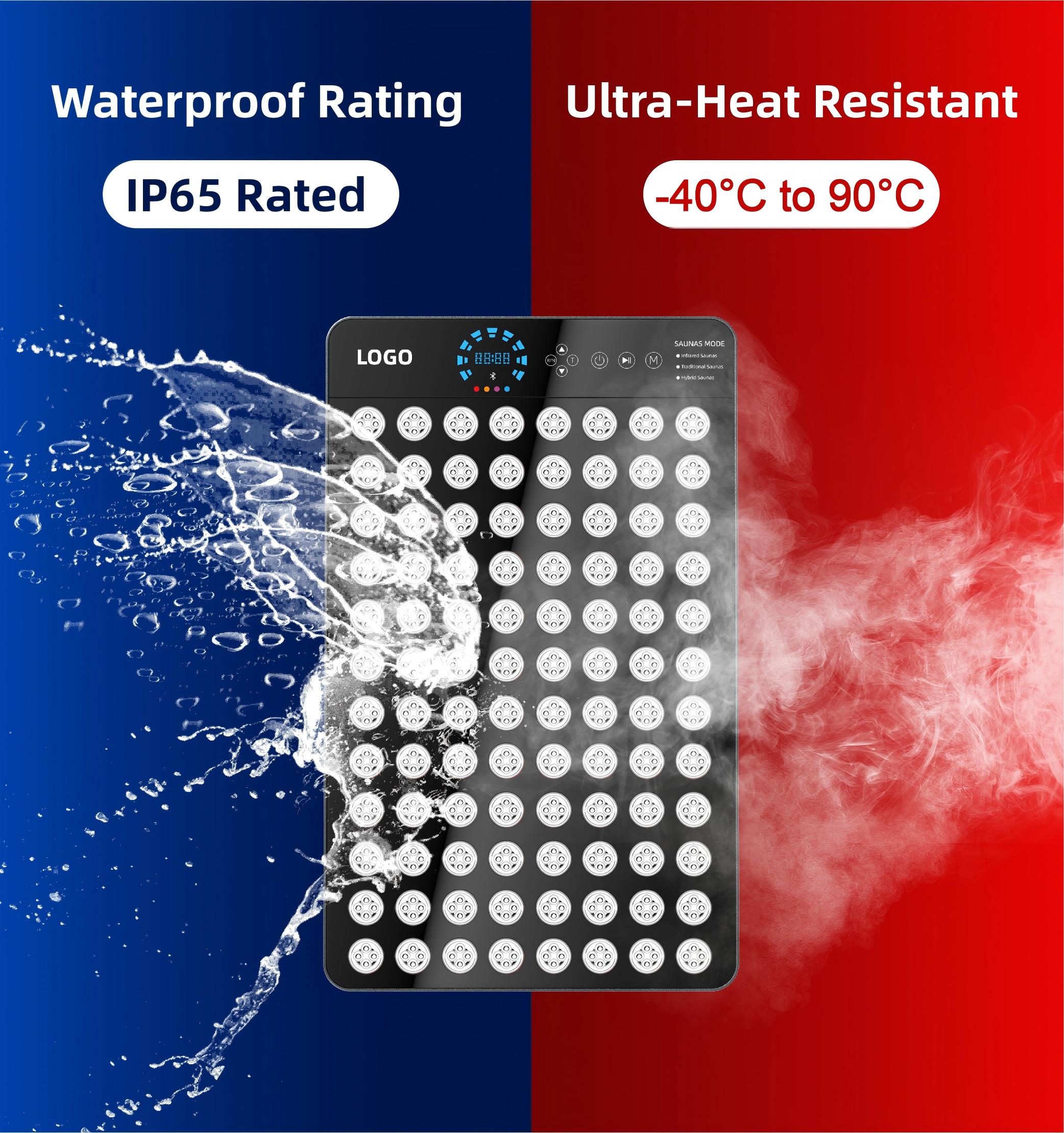
We've launched an waterproof (IP65), -40°~90°C heat/low temperature-resistant light therapy panel specifically built to integrate into saunas room, infrared cabins, hot tub, ice baths, steam baths and showers etc. luxtury wellness space— it delivers red/NIR/amber/blue wavelengths that supports skin rejuvenation, circulation and deep muscle relaxation while withstanding high humidity/heat environment.
If you are interesting for the products and want to know how it improve your business, please inquiry us:
Email: ez@therapy-light.com
WhatsApp: +86 151 1311 0489
1. Does red light therapy really reverse wrinkles or just slow them down?
Red light and NIR therapy have been shown to improve collagen density, elasticity, and photoaging scores, which can partially reverse visible signs of aging rather than just slowing them down. Results are gradual and depend heavily on consistency, device power, and lifestyle. [lighttherapyiq]
2. How soon will I see results from red and infrared light therapy?
Many users notice subtle improvements within 3–4 weeks, with more visible changes in wrinkles, firmness, and texture commonly appearing between 8 and 12 weeks of regular use. Maintenance sessions help sustain and deepen these improvements over time. [aad]
3. Is it possible to "overdo" red light therapy for anti‑aging?
Yes. Beyond a certain dose and duration, extra exposure does not necessarily create better results and may even slow progress. Most medical sources recommend short, regular sessions (5–20 minutes per area, 3–5 times per week) rather than very long or very frequent exposures. [my.clevelandclinic]
4. Can I use red and NIR light therapy if I have acne, rosacea, or sensitive skin?
Red and NIR light are commonly used in studies and clinics for acne, redness, and inflammatory skin conditions, and many patients tolerate them well. However, if your skin is reactive or you are on prescription treatments, you should start slowly and check with your dermatologist before beginning a full protocol. [pmc.ncbi.nlm.nih]
5. Do I need a professional‑grade device, or are home panels enough?
Professional systems typically deliver higher power densities, enabling shorter sessions or faster results, but many users achieve meaningful anti‑aging benefits with well‑designed, medical‑grade home panels. The keys are appropriate wavelengths, sufficient power, and consistent use over time. [renulounge]
1. PlatinumLED Therapy Lights. "Red Light Therapy vs. Infrared Light Therapy for Anti‑Aging Treatment."
https://platinumtherapylights.com/blogs/news/red-light-therapy-vs-infrared-light-therapy-for-anti-aging-treatment [webmd]
2. Cleveland Clinic. "Red Light Therapy: Benefits, Side Effects & Uses."
https://my.clevelandclinic.org/health/articles/22114-red-light-therapy [my.clevelandclinic]
3. American Academy of Dermatology Association. "Is red light therapy right for your skin?"
https://www.aad.org/public/cosmetic/safety/red-light-therapy [aad]
4. Harvard Health Publishing. "Red light therapy for skin care."
https://www.health.harvard.edu/skin-and-hair-health/red-light-therapy-for-skin-care [health.harvard]
5. Renu Lounge. "Infrared Light Therapy vs. Red Light Therapy."
https://www.renulounge.com/blog/infrared-light-therapy-vs-red-light-therapy [renulounge]
6. Light Therapy IQ. "Red Light Therapy Research & Clinical Studies."
https://www.lighttherapyiq.com/research [lighttherapyiq]
7. Foreo. "Red Light Therapy vs Infrared: Wavelengths, Benefits & More."
https://www.foreo.com/mysa/infrared-vs-red-light-therapy-rtl [foreo]
8. PubMed Central. "Reverse skin aging signs by red light photobiomodulation."
https://pmc.ncbi.nlm.nih.gov/articles/PMC10311288/ [pmc.ncbi.nlm.nih]
9. Nature. "The surprising science behind red‑light therapy—and how it really works."
https://www.nature.com/articles/d41586-026-00878-1 [nature]
10. WebMD. "Red Light Therapy: Effectiveness, Treatment, and Risks."
https://www.webmd.com/skin-problems-and-treatments/red-light-therapy [webmd]


