
- All
- Product Name
- Product Keyword
- Product Model
- Product Summary
- Product Description
- Multi Field Search

Views: 222 Author: EZ-Therapylight Publish Time: 2026-06-10 Origin: Site


Content Menu
● Quick Answer – Red Light Therapy vs Infrared Sauna at a Glance
● How Each Technology Works (Mechanism & Wavelengths)
● Key Differences Between Red Light Therapy and Infrared Sauna
>> Mechanism, Sensation, and Outcomes
● Real‑World Use Cases: When to Choose Which?
>> When Red Light Therapy Shines
>> When Infrared Sauna Takes the Lead
● Market Trends – Why Light Therapy Devices Are Booming
● How to Evaluate Device Quality (From an Industry Insider's View)
>> Core Technical Criteria That Matter
● Combining Red Light Therapy and Infrared Sauna – Best Practices
● Practical Buyer's Checklist for Consumers and Wellness Businesses
>> Step‑by‑Step Selection Flow
● Why OEM/ODM Matters for Light Therapy & Sauna Brands
● Actionable Takeaways and Next Steps
● FAQ: Red Light Therapy vs Infrared Sauna
Red light therapy and infrared saunas are both powerful light‑based wellness tools, but they work in very different ways, serve different use cases, and require different kinds of equipment and investment. As a manufacturer working with OEM/ODM brands, understanding these differences is essential if you want to design, position, and market devices that truly match your customers' needs. [avantirwellness]
Light‑based wellness has shifted from niche biohacking forums into mainstream clinics, gyms, spas, and homes worldwide. Consumers now expect science‑backed, non‑invasive tools that help them manage stress, recovery, skin health, and sleep without drugs or downtime. For brands and distributors, the key strategic question is no longer "Does light therapy work?" but rather "Should we focus on red light therapy devices, infrared saunas, or a combination of both?" [lighttreeventures]
From my perspective as a light‑therapy industry insider working with international OEM/ODM partners in beauty, wellness and performance recovery, I see a clear pattern: the most successful brands understand the mechanism, use case, and business model behind each technology—then design hardware and product stories that match. [huelightusa]

Red light therapy (RLT) uses precise red and near‑infrared wavelengths to stimulate cells and boost mitochondrial energy production, without significantly heating the body. Infrared saunas use infrared heaters—often mid and far infrared—to raise core temperature, induce sweating, and trigger heat‑stress related benefits such as relaxation and detox‑like effects. [joovv]
For most modern brands, RLT panels, masks, belts, and blankets are easier to scale globally: they are compact, power‑efficient, highly "Instagrammable," and can be used at home or in professional settings with standardized protocols. Infrared saunas tend to be higher‑ticket, space‑heavy, and better suited to clinics, spas and dedicated wellness rooms, rather than first‑purchase home devices. [vivawellnesswi]
Red light therapy—also called photobiomodulation (PBM)—exposes the body to low‑level red and near‑infrared light, usually in the 600–700 nm (red) and 800–900 nm (near‑infrared) ranges. These wavelengths are absorbed by chromophores inside the mitochondria, particularly cytochrome c oxidase, which can lead to increased ATP production and improved cellular metabolism. [redlighttherapy]
Well‑designed devices deliver verifiable irradiance, often at or above roughly 100 mW/cm² at the treatment surface, to reach evidence‑based dose levels in a practical session time. In the industry, wavelengths around 660 nm (visible red) and 850 nm (near‑infrared) are among the most widely used because they are frequently seen in clinical and pre‑clinical research. [lighttherapyred]
Infrared saunas use heaters (carbon, ceramic, or full‑spectrum emitters) that radiate infrared light, usually focused in the mid and far infrared range, to gently heat the tissues and raise core body temperature. Unlike a traditional sauna, which heats the air, an infrared cabin or blanket heats the body directly, often operating in the 49–60°C (120–140°F) range to induce sweating and a noticeable feeling of warmth. [sculptorfitness]
The primary effect here is thermal stress, not direct mitochondrial stimulation via specific photoreceptors. This controlled heat stress can support relaxation, circulation, and perceived detoxification via increased perspiration. [instituteforagelessliving]
- Mechanism
- Red light therapy: Non‑thermal photobiomodulation—light absorbed by cells to influence ATP production, inflammation pathways, and cellular signaling. [avantirwellness]
- Infrared sauna: Thermal stress—infrared waves heat tissues, raising core temperature and triggering cardiovascular and sweating responses. [joovv]
- User sensation
- Red light therapy: Gentle warmth or mild heat, no intense sweating, usually comfortable even for heat‑sensitive users. [instituteforagelessliving]
- Infrared sauna: Noticeable heat load, heavy sweating, and a "hot room" or "sauna blanket" experience. [vivawellnesswi]
- Typical session length
- Red light therapy: Around 10–20 minutes per treatment area, often several times per week. [lighttherapyinsiders]
- Infrared sauna: 20–45 minutes per session, several times per week depending on tolerance and goals. [sculptorfitness]
Below is a simplified, user‑friendly comparison for wellness brands and consumers:
| Aspect / Benefit | Red Light Therapy (Panels, Masks, Belts) | Infrared Sauna / Sauna Blanket |
|---|---|---|
| Primary mechanism | Photobiomodulation, mitochondrial support (avantirwellness) | Thermal stress, deep tissue heating (joovv) |
| Main wavelengths | Red 600–700 nm, NIR 800–900 nm (avantirwellness) | Mostly mid/far infrared (heat‑focused) (joovv) |
| Heat and sweating | Minimal heat, little to no sweating (avantirwellness) | Strong warmth and heavy sweating (vivawellnesswi) |
| Typical use cases | Skin health, recovery, pain, performance (avantirwellness) | Relaxation, "detox" feel, stress relief (joovv) |
| Best for heat‑sensitive users | Often well tolerated (instituteforagelessliving) | May be too intense for some users (pmc.ncbi.nlm.nih) |
| Space requirements | Compact panels, masks, belts, blankets (lighttreeventures) | Full cabin or large sauna blanket (vivawellnesswi) |
| At‑home adoption | Very high, easy to integrate daily (lighttreeventures) | Moderate, needs more space and time (vivawellnesswi) |
| Professional use | Clinics, gyms, med‑spas, chiropractors (lighttreeventures) | Spas, wellness centers, premium gyms (sculptorfitness) |
Both technologies can be complementary; many advanced wellness businesses combine them in packaged "heat + light" protocols, using sauna first to induce heat stress, followed by RLT to support recovery. [huelightusa]
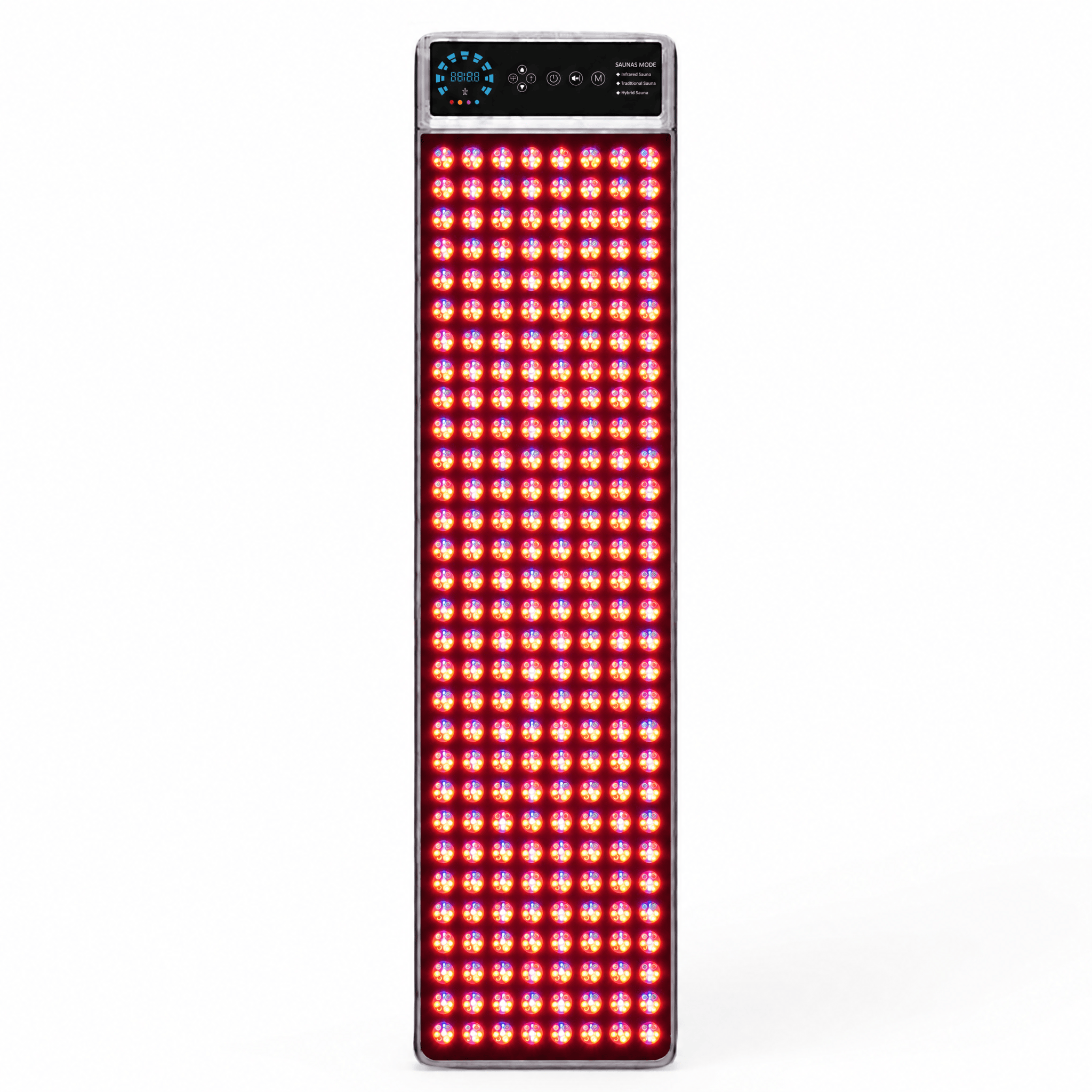
Based on current usage trends in clinics, gyms, and home wellness, red light therapy is often preferred when the primary goals include: [lighttreeventures]
- Supporting skin health and appearance as part of anti‑aging or acne management routines. [lighttreeventures]
- Enhancing muscle recovery and perceived performance for athletes or active users. [redlighttherapy]
- Assisting with localized joint or muscle discomfort using targeted panels, belts, or pads. [redlighttherapy]
- Offering a non‑sweaty, fast routine that fits into a busy lifestyle and can be done fully clothed. [huelightusa]
For OEM/ODM projects, this translates into demand for devices like high‑output LED panels, flexible red light belts, facial masks, and sauna blankets with integrated LED arrays that can be used in homes, studios, and clinics globally. [therapy-light]
Infrared saunas or sauna blankets are typically chosen when the user's main goals are: [joovv]
- Deep relaxation with a strong "spa‑like" experience. [instituteforagelessliving]
- A ritual focused on sweating, perceived detoxification, and stress relief. [joovv]
- A "full‑body heat" experience that feels similar to traditional sauna but at lower air temperatures. [vivawellnesswi]
Infrared cabins work well as premium in‑house services for spas, wellness studios, and high‑end home installations, while infrared sauna blankets are gaining traction as a more compact, portable version for home users. [currentbody]
Consumer interest in light‑based wellness has surged, driven by demand for non‑invasive, tech‑driven self‑care. Wellness is now a top or very important priority for a large majority of consumers, and red light therapy is one of the modalities riding this wave. [reservio]
Market analyses highlight that the global light therapy segment, including devices for beauty, recovery, and home wellness, is expanding quickly with rising adoption in both professional and at‑home environments. In parallel, infrared saunas remain popular in spas and premium wellness settings, but panels, masks, and LED wearables tend to scale faster because they are easier to ship, store, and integrate into daily routines. [lighttreeventures]
For Chinese manufacturers with strong R&D, like the EZ‑Therapylight team in Shenzhen, this creates a clear opportunity: partner with global brands, clinics, and distributors seeking reliable OEM/ODM supply of red light panels, masks, belts, and smart blankets that meet international safety and performance expectations. [facebook]
From inside the manufacturing side of the industry, I see the same three questions from serious buyers again and again: "What are the wavelengths? What is the actual output? And what certifications back this up?" [lighttherapyred]
- Clinically‑relevant wavelengths
Look for devices that specify exact wavelengths rather than vague color names—numbers like 660 nm and 850 nm are a positive sign because they appear frequently in the scientific literature. [lighttherapyred]
- Verified irradiance
Meaningful RLT requires sufficient power density at the treatment distance; in many professional contexts, outputs around or above 100 mW/cm² at the surface are used to deliver effective doses in realistic session times. [lighttherapyred]
- Safety and compliance
Serious brands work with manufacturers that can provide third‑party safety marks such as CE or ETL, and in some cases FDA device registration, especially for medical or quasi‑medical positioning. [sculptorfitness]
For OEM/ODM projects, this is where a specialized RLT factory can add real value—by designing LED arrays, drivers, optics and mechanicals around verified performance targets rather than marketing promises. [sodolux]
Many advanced wellness facilities now offer both infrared sauna and red light therapy, either in separate rooms or as a combined package. Their experience aligns with what we see at the hardware level: the two modalities are complementary when used with clear protocols. [instituteforagelessliving]
A common best‑practice sequence is to use the infrared sauna first, allowing the body to experience heat stress and cardiovascular load, then follow with a red light therapy session to support recovery and relaxation afterward. Trying to deliver intense heat and high‑dose RLT simultaneously in the same enclosed space can create design and comfort challenges, so many brands opt for modular systems—sauna cabins plus standalone RLT panels, or sauna blankets plus wearable LED belts and masks. [currentbody]
To help your customers choose between red light therapy devices and infrared saunas—and to guide your own product roadmap—here is a simple, brand‑agnostic checklist informed by current industry practices. [avantirwellness]
1. Clarify the primary goal
- Skin and recovery focus → prioritize red light therapy devices. [avantirwellness]
- Relaxation and sweating ritual → prioritize infrared sauna or sauna blanket. [vivawellnesswi]
2. Check space and installation limits
- Limited space / renters / frequent movers → compact RLT panels, belts, masks, and blankets. [currentbody]
- Dedicated wellness room or spa → full cabin infrared sauna plus RLT add‑ons. [sculptorfitness]
3. Assess heat tolerance
- Heat‑sensitive, cardiovascular considerations, or multi‑user household → red light devices provide a low‑heat option. [pmc.ncbi.nlm.nih]
- Users love intense warmth and sweating → infrared sauna is aligned with expectations. [joovv]
4. Look for data‑backed specs and certifications
- Ask for wavelength charts, irradiance data, and safety certificates for any OEM or finished device you consider. [sodolux]
5. Plan for long‑term support
- Choose manufacturers and brands with clear contact details, after‑sales support, and a track record in light‑therapy hardware, not generic electronics alone. [therapy-light]
From the brand's side, customers only see the logo, content, and front‑end experience. From the manufacturer's side, what really determines long‑term success is engineering depth, quality control, and the ability to customize devices for different markets and regulations. [therapy-light]
Specialized factories in China with strong light‑therapy R&D and production capacity can help brands: [facebook]
- Design differentiated product lines (panels, masks, belts, blankets) that fit specific niches like beauty clinics, sports recovery centers, and home biohackers. [huelightusa]
- Balance irradiance, coverage area, and cost, so retail pricing remains competitive while still delivering meaningful doses. [sodolux]
- Integrate smart features—timers, presets, app connectivity—without compromising the core optical performance. [reservio]
For global brands, choosing the right OEM/ODM partner is effectively choosing the technical backbone of their wellness product portfolio. [therapy-light]
If you are a wellness brand, distributor, or clinic deciding where to invest next, a practical approach is: [avantirwellness]
- Start with at least one flagship red light therapy device line (panel, mask, or belt) optimized for your core customer: beauty‑focused, performance‑focused, or general wellness. [lighttreeventures]
- Consider infrared sauna cabins or sauna blankets as premium add‑ons for locations and customers who value ritual, heat, and longer sessions. [currentbody]
- Make device quality, clear wavelengths, and transparent data part of your brand story, not just a technical appendix. [moz]
- For manufacturing, work with a partner who understands both engineering and global branding, so your products ship ready for diverse markets and regulatory landscapes. [facebook]
A well‑designed portfolio that combines targeted red light therapy with heat‑based experiences can help you serve a wider spectrum of customers—from first‑time home users to advanced biohackers and professional facilities—without diluting your brand. [redlighttherapy]
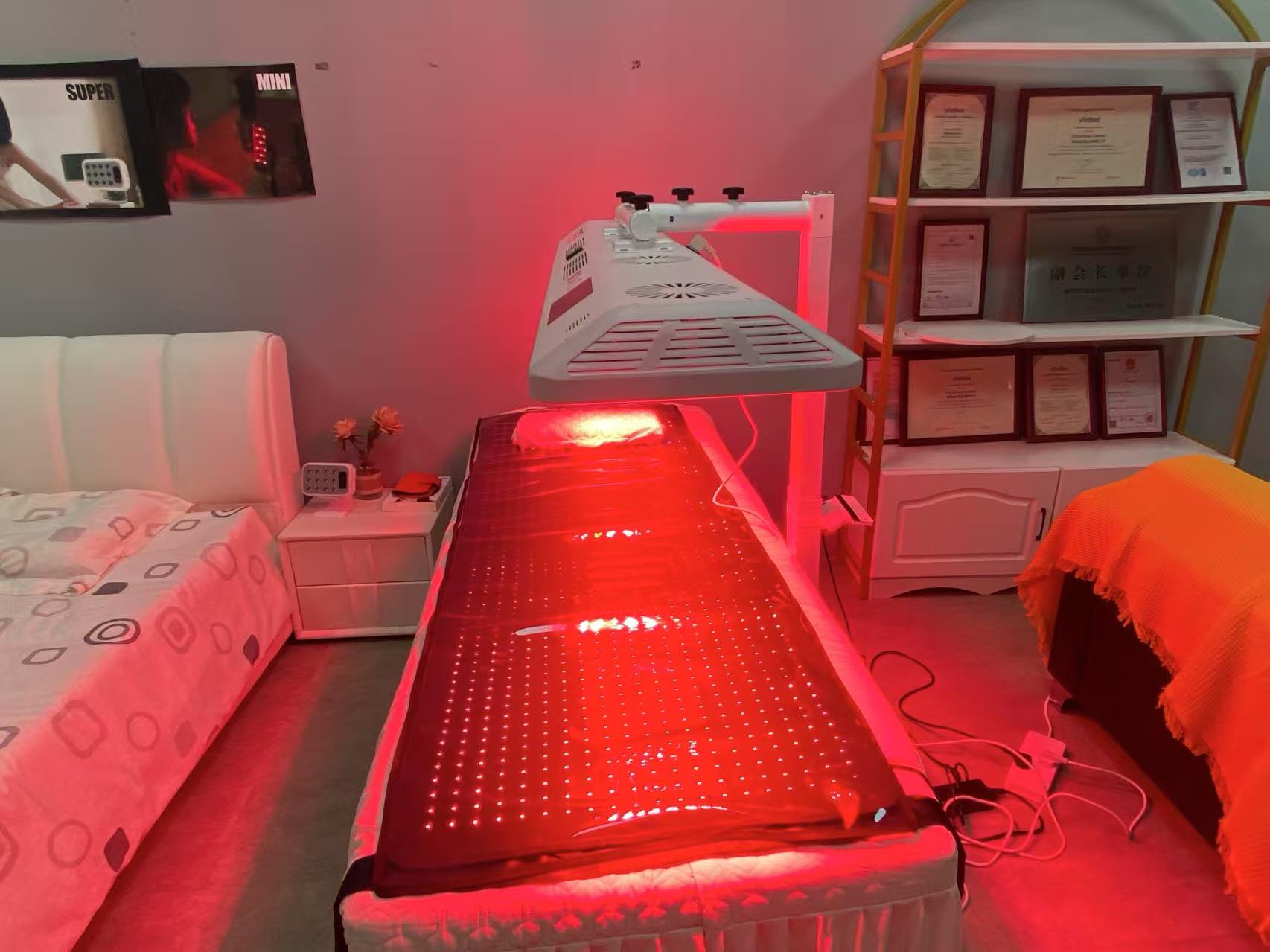
We've launched an waterproof (IP65), -40°~90°C heat/low temperature-resistant light therapy panel specifically built to integrate into saunas room, infrared cabins, hot tub, ice baths, steam baths and showers etc. luxtury wellness space— it delivers red/NIR/amber/blue wavelengths that supports skin rejuvenation, circulation and deep muscle relaxation while withstanding high humidity/heat environment.
If you are interesting for the products and want to know how it improve your business, please inquiry us:
Email: ez@therapy-light.com
WhatsApp: +86 151 1311 0489
Q1. Can I use red light therapy and infrared sauna on the same day?
Yes. Many practitioners use infrared sauna first for heat and sweating, then red light therapy afterward to support recovery and relaxation, provided overall exposure time and individual tolerance are respected. [instituteforagelessliving]
Q2. Is red light therapy safer than an infrared sauna?
Both modalities are considered low‑risk for most healthy users when used as directed, but they expose the body to different types of stress—light‑based vs heat‑based—so users with cardiovascular or heat‑sensitivity issues often start with RLT or shorter sauna sessions. [pmc.ncbi.nlm.nih]
Q3. Which is better for skin health: red light or sauna?
Red light therapy is usually the first choice for targeted skin support because it directly influences cellular processes in the skin without excessive heat, while saunas primarily support circulation and sweating. [avantirwellness]
Q4. Are at‑home red light therapy devices effective?
High‑quality at‑home devices using clinically‑relevant wavelengths and sufficient irradiance can deliver meaningful doses when used consistently following recommended protocols, which is why they are now widely adopted by consumers and professionals. [huelightusa]
Q5. What should I ask an OEM/ODM manufacturer before launching my own light therapy brand?
Request detailed wavelength data, verified irradiance measurements, safety certifications, sample build quality, and clarity on customization options and after‑sales support to ensure your devices meet both user expectations and regulatory requirements. [sodolux]
1. AvantiR Wellness – "Red Light Therapy vs. Infrared Sauna: What's the Difference?" [avantirwellness]
2. VIVA Wellness – "Red Light Therapy vs Infrared Saunas – The Key Differences" [vivawellnesswi]
3. Joovv – "Saunas Versus Light Therapy (PBM): Key Differences & Practical Considerations" [joovv]
4. Light Therapy Insiders – "Red Light Therapy Vs Infrared Sauna: Everything You Need To Know" [lighttherapyinsiders]
5. Light Tree Ventures – Light therapy industry and market insights blog [lighttreeventures]
6. Huelight – "Red Light Therapy Business Guide: Tips, Costs, Marketing & More" [huelightusa]
7. Red Light Factory – "紅光療法:業內人士的真相" (Industry perspective on wavelengths, irradiance, and certifications) [lighttherapyred]
8. EZ‑TherapyLight – About and social profiles (OEM/ODM red light therapy manufacturer, Shenzhen, China) [facebook]
9. Sodolux – Red Light Therapy Manufacturer | OEM LED Therapy Devices [sodolux]
10. Moz – "What is Google E‑E‑A‑T? Guidelines and SEO Benefits" [moz]
11. Google Search Central – "Creating Helpful, Reliable, People‑First Content" [developers.google]
12. Reservio – "Beauty and Wellness Trends: Leading in a Dynamic Industry" [reservio]
13. Institute for Ageless Living – "Infrared Sauna & Red Light Therapy: Dual Benefits for Skin & Beyond" [instituteforagelessliving]
14. PMC – "Popularity of Infrared Saunas and Potential Dermatologic Risks" [pmc.ncbi.nlm.nih]
15. Red Light Therapy Expert – "Red Light Therapy vs Other Treatments Compared" [redlighttherapy]
16. CurrentBody – "Red Light Therapy Panel vs Infrared Sauna Blanket" [currentbody]


