
- All
- Product Name
- Product Keyword
- Product Model
- Product Summary
- Product Description
- Multi Field Search

Views: 202 Author: EZ-Therapylight Publish Time: 2026-07-10 Origin: Site


Content Menu
● Why Dog Owners Are Turning to Red Light Therapy
● What Exactly Is Red Light Therapy for Dogs?
● Core Benefits: 6 Ways Red Light Therapy Helps Dogs
>> 1. Faster Post‑Surgical Recovery
>> 2. Enhanced Rehabilitation After Injuries
>> 3. Support for Soft‑Tissue and Joint Problems
>> 4. Reduced Reliance on Pain Medication
>> 5. Skin Health and Wound Management
>> 6. General Wellness and Healthy Aging
● What Does the Evidence Say? A Quick Look at Veterinary Research
● Is Red Light Therapy Safe for Dogs?
● How to Use Red Light Therapy for Your Dog at Home
● What Makes a Good Red Light Device for Dogs?
>> Key Technical Features to Look For
● OEM & ODM Opportunities for Light Therapy Brands and Wholesalers
● How to Choose the Right Red Light Solution for Your Dog
● Practical Tips for a Stress‑Free Dog Session
● Call to Action: Building Better Canine Light Therapy Together
● Frequently Asked Questions (FAQ)
Red light therapy for dogs is an evidence‑based, non‑invasive way to support mobility, recovery and overall wellness—especially when you use a veterinary‑grade device designed with canine needs and fur coverage in mind. As a Chinese OEM/ODM red light therapy manufacturer, we've seen first‑hand how well‑designed devices can transform both clinic workflows and at‑home care for pet parents around the world. [medcovet]
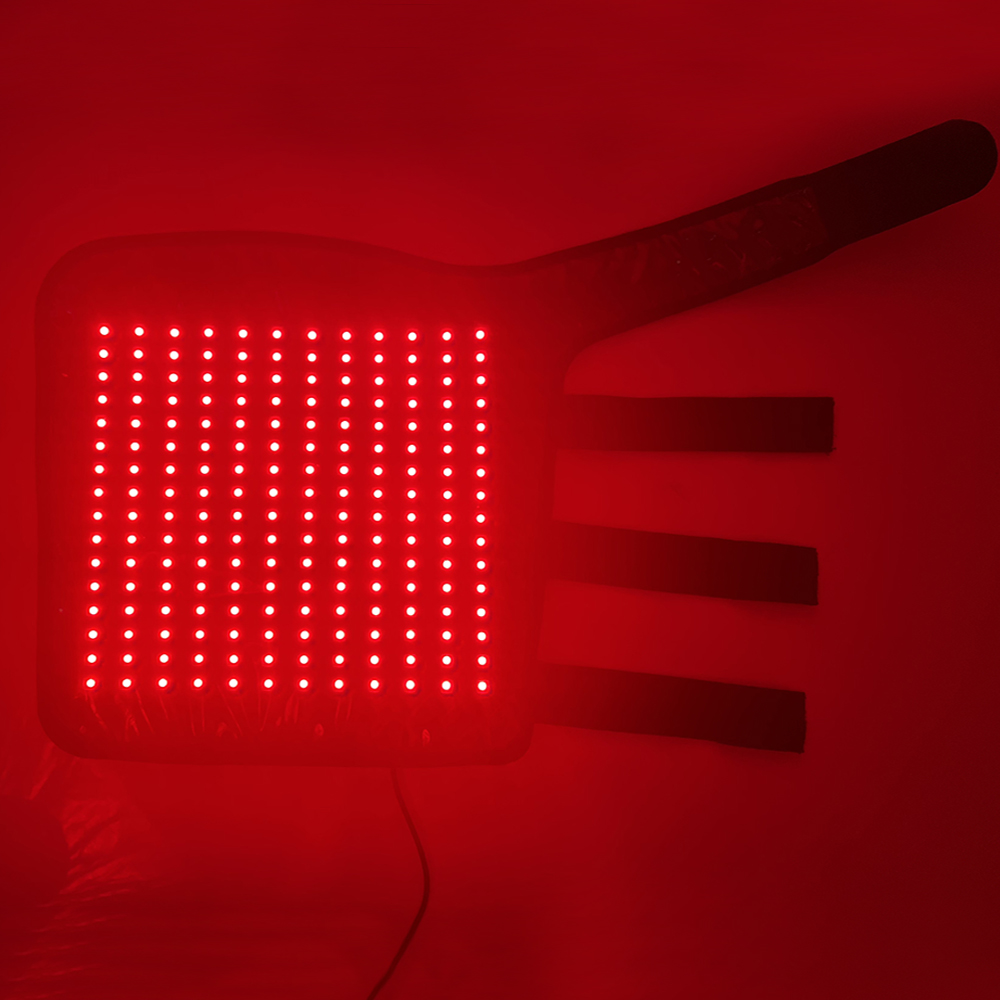
Dog owners today are looking for drug‑free, science‑backed ways to help their pets stay mobile, recover faster and age comfortably. Red light therapy—also known as photobiomodulation (PBM)—uses specific red and near‑infrared (NIR) wavelengths to stimulate cellular activity, improve circulation and modulate inflammation in a dog's body. [rlthome]
Unlike many "trendy" wellness ideas, veterinary PBM has over a decade of clinical use behind it, including trials in orthopedic recovery, osteoarthritis, skin disorders and wound healing. This makes it a compelling addition to both professional rehab programs and structured home‑care routines. [thehale]
Red light therapy for dogs involves exposing targeted areas of the body to red (typically 630–670 nm) and NIR (around 800–900 nm) light using LED panels, pads, belts or handheld devices. These wavelengths are chosen because they are biologically active yet non‑ionizing, meaning they can trigger beneficial changes without damaging tissue. [redlighttherapy]
At the cellular level, light is absorbed by cytochrome c oxidase in mitochondria, helping increase adenosine triphosphate (ATP) production—the energy currency of the cell. More available ATP supports faster repair, better tissue resilience, and more efficient immune and inflammatory responses, especially important for aging or injured dogs. [medcovet]
Veterinary rehab teams increasingly use red light and NIR therapy after surgeries such as spinal procedures or orthopedic repairs. In clinical studies, dogs receiving PBM after spinal surgery regained the ability to walk pain‑free sooner than control groups, suggesting improved tissue healing and reduced inflammation. [medium]
From an owner's perspective, this can translate into shorter recovery windows, more confident mobility, and less distress in the early post‑operative phase. When integrated carefully under veterinary guidance, PBM becomes an important "bridge" between surgical intervention and a full return to activity. [lumaflex]
Whether your dog is a working animal, a sport dog or simply an enthusiastic runner, soft‑tissue and musculoskeletal injuries are common. Rehab practitioners report that dogs receiving PBM as part of their physiotherapy or hydrotherapy programs often show earlier signs of improvement than dogs relying on exercise alone. [rlthome]
By improving microcirculation, supporting oxygen delivery and modulating inflammatory pathways, PBM helps rehab exercises "stick" more effectively, so progress is not constantly undone by pain and swelling. For owners, that means less frustration and a clearer sense that each week of rehab is moving your dog forward. [medcovet]
Sprains, ligament strains and chronic joint issues like osteoarthritis are among the most common reasons dogs receive PBM. Near‑infrared wavelengths penetrate deeper into tissue, reaching muscles, tendons and even bone to support pain relief and functional recovery. [thehale]
A multicenter canine osteoarthritis study found that dogs treated with PBM over six weeks showed clinically meaningful reductions in pain scores and improved mobility, with many reducing their reliance on pharmacological analgesics. For senior dogs struggling with stairs or short walks, this can make the difference between merely coping and truly enjoying daily activity again. [lumaflex]
Long‑term use of pain medication can bring side effects such as lethargy, gastrointestinal issues or liver strain in dogs. PBM offers a non‑drug adjunct, allowing veterinarians to build multimodal pain plans that use lower doses of medication while still maintaining comfort. [lumaflex]
In the osteoarthritis context, many dogs receiving PBM were able to cut back their medication load without losing mobility gains, suggesting a synergistic effect between light therapy and pharmacologic management. That's especially valuable for older dogs who may already be on several medications for other conditions. [lumaflex]
Red light therapy has its roots in wound‑healing research—NASA famously investigated it to help injuries heal more quickly in astronauts. In dogs, PBM is now used to help resolve pododermatitis, hot spots, chronic wounds, licking granulomas and other inflammatory skin conditions. [rlthome]
One case‑control study on sterile pyogranulomatous pododermatitis found that PBM not only helped lesions clear, but reduced recurrence in over half of treated lesions, pointing to deeper changes in skin microenvironment and immune activity. For guardians dealing with constant paw flare‑ups or slow‑healing wounds, this can dramatically reduce stress and repeat vet visits. [medcovet]
Beyond specific diagnoses, many owners now use red light therapy as part of an overall wellness routine—particularly for aging dogs. Regular sessions can help support: [rlthome]
- Stamina and exercise tolerance for senior dogs.
- Cognitive health and mood, especially in dogs showing signs of age‑related decline. [thehale]
- Coat and skin condition, thanks to better circulation and tissue turnover. [medcovet]
Think of PBM as giving your dog a structured, light‑based "supplement" that supports cells and tissues from the inside out, rather than just masking symptoms. [lumaflex]
For pet parents and professionals focused on E‑E‑A‑T, the most important question is: *does the science justify using red light therapy for dogs?*
Key evidence points include:
- Orthopedic and post‑surgical studies: Dogs receiving NIR (800–900 nm) sessions before or after TPLO or spinal surgery often show faster bone healing and earlier return to ambulation than sham‑treated controls. [medium]
- Osteoarthritis trials: Meta‑analyses and multicenter trials report statistically significant reductions in pain scores, improved joint range of motion, and decreased need for analgesics when PBM is used in canine OA protocols. [lumaflex]
- Dermatology and wound healing: PBM is linked to faster closure of chronic wounds, improved outcomes in pododermatitis and hair regrowth in specific alopecia cases. [rlthome]
Across this body of work, systematic reviews emphasize that PBM is well‑tolerated with minimal adverse effects when used correctly, giving it a strong safety profile compared with many other interventions. [lumaflex]
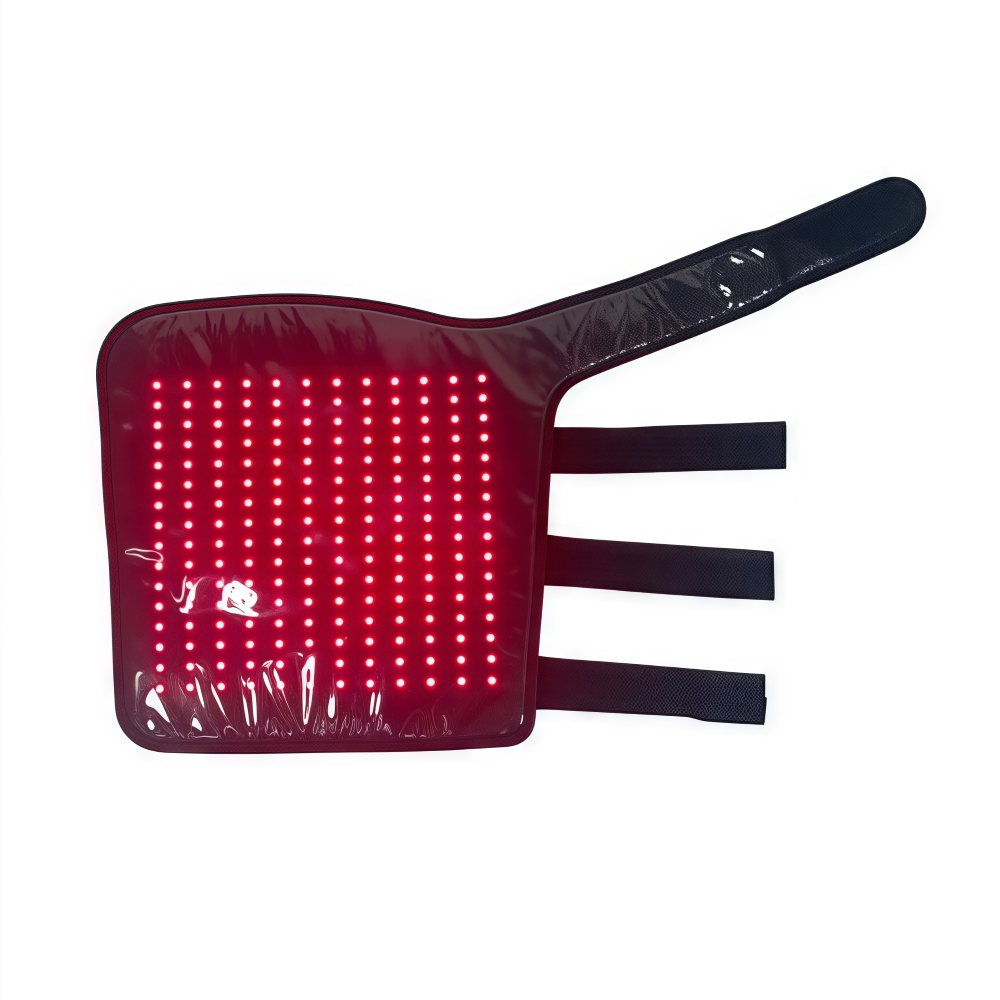
When used appropriately, red light therapy has a remarkably favorable safety profile in dogs. Devices designed for wellness applications typically use non‑thermal LED technology; NIR output is carefully controlled so dogs do not overheat during a session. [lumaflex]
That said, there are important safety considerations:
- Photosensitive conditions and medications: Dogs with light sensitivity or on photosensitizing drugs should only receive PBM under direct veterinary supervision. [medcovet]
- Eye protection: Direct exposure of canine eyes to high‑intensity beams should be avoided; well‑designed devices and protocols account for angles and distance. [redlighttherapy]
- Appropriate dosing: More light is not always better; excessive exposure can blunt benefits. Following vetted protocols for time, distance and frequency is essential. [thehale]
For most dogs, a 15–20 minute session, several times per week using a well‑engineered device falls comfortably within current therapeutic windows. [redlighttherapy]
For many families, at‑home PBM is the most practical way to integrate light therapy into a dog's long‑term care plan. To maximize both safety and results, follow these simple, expert‑informed steps: [redlighttherapy]
1. Consult your veterinarian first
Share your dog's medical history and current medications, and ask whether PBM is appropriate for their condition. [thehale]
2. Choose the right device form factor
- Panels: Best for broad coverage and full‑body wellness sessions.
- Pads or mats: Ideal for localized joints, hips, backs and lying‑down dogs. [redlighttherapy]
- Wearable belts or wraps: Useful for active dogs who won't stay still; belts keep light in contact with the target area. [redlighttherapy]
3. Follow condition‑appropriate dosing
As a general wellness guideline, start with 15–20 minutes, 3 times per week at the manufacturer's recommended distance, and adjust only in coordination with your vet. [thehale]
4. Monitor your dog's behavior and progress
Track changes in mobility, playfulness, sleep patterns and skin condition over 4–6 weeks to understand how your dog responds. [lumaflex]
5. Integrate PBM with other therapies—not instead of them
PBM works best when combined with structured exercise, weight management, joint support and appropriate medications, rather than as a standalone solution. [medcovet]
From a manufacturing and OEM/ODM perspective, not all "pet light therapy" products are created equal. To deliver reliable results and build long‑term brand trust, devices should be engineered around several critical performance and safety criteria: [therapy-light]
- Research‑backed wavelengths: Red around 630–670 nm and NIR in the 800–900 nm range, aligned with current veterinary PBM literature. [rlthome]
- Adequate power density, not just total power: Output must be calibrated to deliver therapeutic doses through fur and skin without overheating. [redlighttherapy]
- Fur‑friendly design: Optical combs, contact surfaces or belt formats help light penetrate thicker coats for more consistent results. [therapy-light]
- Third‑party testing and quality control: Independent laboratory verification of wavelength, irradiance and safety standards is crucial for E‑E‑A‑T and regulatory compliance. [lumaflex]
- Robust materials and thermal management: Durable housings, efficient heat dissipation and secure connectors ensure device longevity in real‑world use. [therapy-light]
Manufacturers like EZ‑Therapylight can further differentiate by offering multi‑wavelength configurations, customizable power settings and targeted pet‑friendly accessories, making it easier for brands and wholesalers to tailor solutions to specific canine use cases. [therapy-light]
As demand for red light therapy in the Light Therapy, Wellness, Health and Biohacking segments grows, global brands, wholesalers and clinics are looking for manufacturing partners that can translate scientific standards into market‑ready hardware. [therapy-light]
A specialized Chinese manufacturer like EZ‑Therapylight can support partners in several ways:
- Custom wavelength and configuration design to align with veterinary protocols and brand positioning (e.g., pet‑focused vs. dual human‑pet devices). [therapy-light]
- Brandable housings and accessories, including optical combs, belts, mats and wall‑mount systems optimized for dogs and other animals. [therapy-light]
- Scalable production with strict QA, ensuring consistent output, reliable lead times and competitive pricing across global markets. [therapy-light]
- Regulatory and documentation support for CE, FDA‑related pathways or other regional requirements, helping B2B partners meet compliance expectations. [therapy-light]
For Light Therapy & Wellness brands, partnering with an experienced OEM/ODM factory allows them to launch pet‑specific PBM portfolios quickly, backed by robust engineering and manufacturing, rather than starting from scratch.
To make decisions easier for dog owners and professionals, the table below summarizes typical use scenarios and matching device types (generic, not brand‑specific):
| Use Scenario | Recommended Device Type | Key Advantages | Typical Session Frequency |
|---|---|---|---|
| Senior dog with osteoarthritis | Medium‑sized pad or mat | Targeted joints, easy lying position | 3–4 times per week for 15–20 minutes (medcovet) |
| Post‑surgical spine or hip rehab | Wearable belt plus clinic panel | Consistent contact, clinic‑grade follow‑up | As per vet protocol, often several weeks (medcovet) |
| Sport/working dog recovery | Panel in home gym | Broad coverage after training sessions | 2–3 times per week, integrated with rest days (medcovet) |
| Chronic skin issues (paws, hot spots) | Small pad or handheld device | Precise targeting of lesions | Short, localized sessions several times weekly (medcovet) |
| General wellness and healthy aging | Full‑body mat or mid‑size panel | Relaxed, spa‑style sessions | 2–3 times per week for ongoing maintenance (medcovet) |
This structure helps both clinics and at‑home users match their dog's needs with the most ergonomic and effective hardware format.
To keep red light therapy enjoyable for your dog, and sustainable for you:
- Create a calm environment: Use a quiet room, soft mat and gentle handling so the dog associates PBM time with relaxation, not restraint. [medcovet]
- Start with shorter sessions: Begin at the lower end of recommended times and build up once you know your dog is comfortable. [thehale]
- Combine with positive reinforcement: Offer treats or soothing touch during sessions so your dog willingly participates. [rlthome]
- Stay consistent but flexible: Aim for regular weekly frequency, but adapt around your dog's energy levels, pain days and vet advice. [lumaflex]
The goal is to make PBM a trusted routine, not a stressful medical procedure.
If you're a Light Therapy, Wellness, Health or Biohacking brand, wholesaler or clinical provider, now is the time to expand into pet‑focused red light solutions that meet modern veterinary and consumer expectations. With a dedicated manufacturing partner like EZ‑Therapylight, you can co‑create devices that are scientifically aligned, fur‑friendly, custom‑branded and ready for global distribution. [therapy-light]
Whether you're planning a premium veterinary line, an at‑home wellness range for dog owners, or a hybrid human‑pet PBM platform, we invite you to explore OEM and ODM collaboration and bring safer, smarter red light therapy to dogs worldwide.

1. Can red light therapy replace my dog's current medications or treatments?
No. Red light therapy is best used as a complementary therapy alongside veterinary care, medications and lifestyle changes, not as a standalone replacement. Always discuss any changes to medication with your vet. [lumaflex]
2. How soon will I see results in my dog?
Many owners notice changes in comfort, mobility or wound appearance within several weeks, especially when PBM is used consistently. Chronic conditions such as osteoarthritis often require longer treatment programs coordinated with a veterinarian. [medium]
3. Is red light therapy suitable for all dog breeds and coat types?
Most breeds can benefit from PBM, but dense or long coats may require closer contact, optical combs or belt designs to help light penetrate effectively. Your vet and device supplier can advise on optimal setups. [rlthome]
4. Can I use a human red light device on my dog?
Many human devices share similar wavelengths, but they may not be optimized for fur penetration, dosing or canine ergonomics. For safety and efficacy, choose devices specifically vetted for animal use or consult both your vet and the manufacturer first. [redlighttherapy]
5. How do I know if my dog is getting too much light therapy?
If your dog becomes restless, shows skin irritation or seems more uncomfortable after sessions, pause and consult your veterinarian. Following evidence‑based protocols for session length and frequency greatly reduces the risk of over‑treatment. [thehale]
1. Mito Red Light. "6 Surprising Benefits of Red Light Therapy for Dogs." https://mitoredlight.com/blogs/mito-red-blog/red-light-therapy-for-dogs
2. RLTHome. "Red Light Therapy to Heal Animals (What The Science Says)." https://rlthome.com/blogs/news/animals
3. The Hale. "Does Red Light Therapy Work for Animals? Veterinary Guide (2026)." https://thehale.ca/blog/red-light-therapy-for-veterinarians-animals
4. Lumaflex. "A Meta-analysis: Red Light Therapy for Dogs." https://www.lumaflex.com/blogs/clinical-trials/red-light-therapy-dog
5. Medium. "Shedding Light on the Benefits of Red Light Therapy for Pets." https://medium.com/@mitoredlight/shedding-light-on-the-benefits-of-red-light-therapy-for-pets-8b2f490107b5
6. Therapy‑Light. "Which Red Light Therapy Device Is Most Effective for Dogs?" https://www.therapy-light.com/which-red-light-therapy-device-is-most-effective-for-dogs.html
7. Red Light Therapy Expert. "Red Light Therapy for Dogs: Does It Work? Best Home Devices 2026." https://redlighttherapy.expert/red-light-therapy-for-dogs/
8. MedcoVet. "Best Red Light Therapy Devices for Dogs in 2026 – MedcoVet Luma Review." https://medcovet.com/blog/red-light-roundup/
9. IHeartDogs. "The Best Red Light Therapy For Dogs: Reviewing The Top Devices." https://iheartdogs.com/best-red-light-therapy-for-dogs/
10. Lumaflex. "Red Light Therapy for Pet Health Conditions – Clinical Trials Overview." https://www.lumaflex.com/blogs/clinical-trials/veterinary-photobiomodulation


