
- All
- Product Name
- Product Keyword
- Product Model
- Product Summary
- Product Description
- Multi Field Search

Views: 271 Author: EZ-Therapylight Publish Time: 2026-07-15 Origin: Site


Content Menu
● Understanding Sunlight, Melatonin and Mitochondria
● Nighttime Melatonin: The Classic Sleep Hormone
● Daytime Melatonin: The Overlooked Cellular Guardian
● Near‑Infrared Light: Why It Matters So Much
● The Hidden Cost of Living Indoors
● Red and Near‑Infrared Light Therapy: Bridging the Gap
● Expert Perspective: Evidence‑Based Optimism, Not Hype
● Practical Light Exposure Strategies for Users
● How EZ‑Therapylight Supports Global Wellness Brands
● Designing Red Light Therapy Devices for Better UX
● Simple Beginner Protocol for At‑Home Light Therapy
● Strategic CTA for Wellness and Biohacking Brands
● FAQs
Red and near‑infrared light do far more than "give you a glow"—they interact directly with your mitochondria, melatonin, and circadian rhythm, shaping energy, recovery, and long‑term health. As a professional OEM/ODM red light therapy manufacturer in China, EZ‑Therapylight helps wellness and biohacking brands turn this science into reliable devices that fit modern indoor lifestyles. [npr]

Sunlight exposes the body to ultraviolet (UV), visible, and infrared light, each playing a different role in health. Roughly 54% of solar energy reaching Earth is infrared, while about 7% is UV and 39% is visible light. [npr]
Inside each cell, mitochondria convert nutrients into energy through the Krebs cycle and electron transport chain, a process that inevitably generates reactive oxygen species (ROS)—the "exhaust fumes" of cellular metabolism. When ROS accumulate, they contribute to inflammation, cellular damage, and higher risk of chronic conditions such as cancer, diabetes, and neurodegenerative disease. [newscientist]
Melatonin is best known as a sleep hormone, but mechanistically it is one of the body's most powerful mitochondrial antioxidants, neutralizing ROS where they are produced. [newscientist]
At night, decreasing light input to the eyes triggers pineal melatonin release into the bloodstream. Specialized photosensitive retinal ganglion cells send signals to the suprachiasmatic nucleus (SCN), which in turn tells the pineal gland that it is dark enough to begin melatonin secretion—typically around 9:00 pm. [npr]
This circulating melatonin:
- Promotes sleep onset and deeper stages of sleep. [npr]
- Travels throughout the body, reducing oxidative stress and supporting mitochondrial repair that accumulated during the day. [npr]
Modern lighting disrupts this system. Bright, blue‑enriched indoor lighting and screens at night send a "daytime" signal to the SCN, suppressing melatonin and fragmenting sleep. Over time, this can impair recovery, cognitive function, and metabolic health. [npr]
Dr. Roger Seheult highlights that about 95% of the body's melatonin is produced directly inside mitochondria, not in the pineal gland. This intracellular, daytime melatonin never enters the bloodstream and does not make you feel sleepy. [npr]
Key points:
- Daytime melatonin is generated inside mitochondria in response to light, especially near‑infrared wavelengths. [newscientist]
- It sits precisely where ROS are created, providing local, on‑site antioxidant protection and helping maintain mitochondrial function while cells are actively producing energy. [newscientist]
In other words, nighttime melatonin recovers the system; daytime melatonin protects it while it runs. For biohackers and clinicians alike, this dual melatonin system is a central mechanism linking light exposure to systemic health.
The final step of the electron transport chain relies on cytochrome c oxidase, a mitochondrial enzyme that is photo‑responsive to red and near‑infrared light. When these wavelengths reach cytochrome c oxidase: [newscientist]
- ATP production increases, helping restore cellular energy. [newscientist]
- ROS levels fall, and local melatonin production rises, reinforcing antioxidant defenses. [newscientist]
Near‑infrared (NIR) light also penetrates several millimeters into tissue, deeper than UV or blue light, due to its lower frequency—similar to how low bass notes travel further than high‑pitched sounds. This penetration allows NIR to reach muscle, joint, and even some visceral tissues, making it relevant for a wide range of applications from wound healing and pain relief to skin health and joint support. [pubmed.ncbi.nlm.nih]
Dr. Seheult cites data showing that modern individuals spend around 87% of life inside buildings and another 6% inside vehicles, leaving only a small fraction of time outdoors in full-spectrum sunlight. [npr]
Two major issues arise:
- Low‑E windows are specifically engineered to block infrared light to reduce indoor heat. [npr]
- Vehicles and indoor spaces further reduce exposure to biologically important wavelengths while still allowing significant UV and blue light exposure. [npr]
The net effect is a lifestyle that minimizes beneficial red and near‑infrared exposure while maximizing melatonin-disrupting nighttime blue light. For many people, this creates a chronic "light deficiency" at the mitochondrial level, even if vitamin D levels are adequate. [newscientist]
Photobiomodulation (PBM)—the therapeutic use of specific red and near‑infrared wavelengths—seeks to recreate key aspects of sunlight in a controlled, targeted format. High‑quality devices deliver light in the red (around 630–670 nm) and near‑infrared (around 810–850 nm) ranges, which are understood to interact with cytochrome c oxidase and related chromophores. [nature]
Emerging evidence and clinical experience suggest potential benefits in:
- Skin and wound health: Enhanced collagen synthesis and faster tissue repair. [quasarmd]
- Joint and muscle recovery: Reduced pain and improved function in conditions such as osteoarthritis. [quasarmd]
- Hair and scalp health: Support for follicle activity in certain types of hair loss. [newscientist]
- Eye health: RLT is being explored for myopia, glaucoma, AMD, and dry eye disease. [pubmed.ncbi.nlm.nih]
While many consumer claims remain overhyped, multiple systematic reviews and early trials indicate real therapeutic potential when devices are properly designed and used within evidence‑based parameters. [med.stanford]
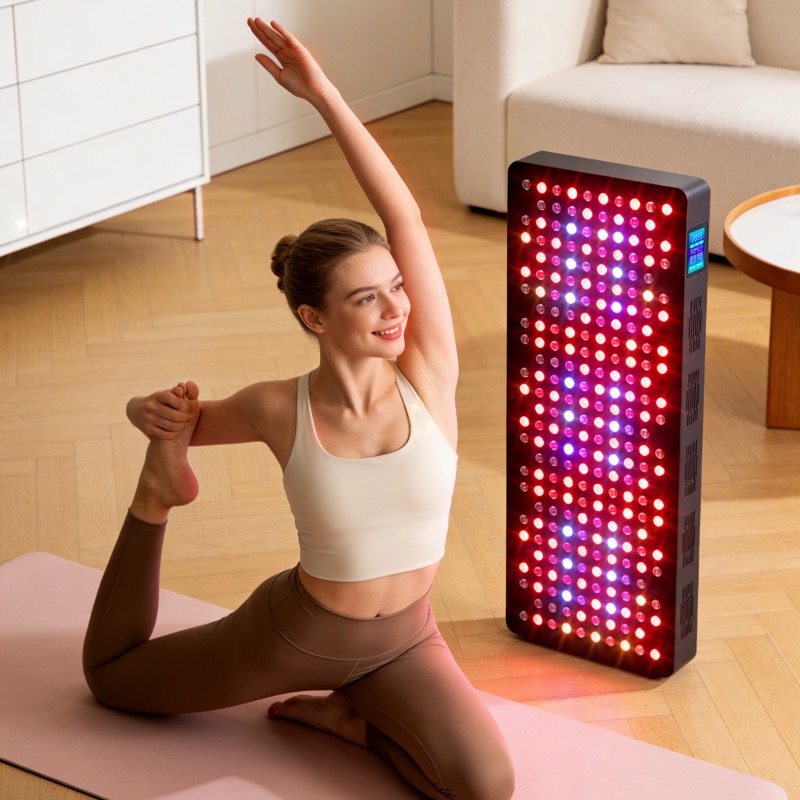
As an SEO strategist and manufacturer collaborating with global wellness brands, it is essential to maintain an E‑E‑A‑T‑aligned stance:
- Experience (E): Clinicians and users report improved sleep quality, reduced localized pain, and faster recovery when red light therapy is integrated into holistic lifestyle routines. [quasarmd]
- Expertise (E): Quadruple board‑certified physicians like Dr. Seheult help connect photobiology to melatonin and mitochondria, grounding the field in recognized physiology rather than pure marketing. [med.stanford]
- Authoritativeness (A): Peer‑reviewed articles in ophthalmology, dermatology, and pain management increasingly study PBM as a non‑invasive adjunct therapy. [pubmed.ncbi.nlm.nih]
- Trustworthiness (T): Transparent communication about limitations, safety, and appropriate use builds trust with both clinicians and consumers. [med.stanford]
For brands leveraging OEM/ODM red light devices, aligning product messaging with these scientific and ethical pillars is a competitive differentiator.
From a user‑experience standpoint, health‑conscious consumers benefit from simple, actionable guidance:
1. Support natural melatonin rhythms
- Prioritize outdoor daylight exposure early in the day to anchor circadian rhythm.
- Reduce bright blue‑enriched screen time 1–2 hours before bed to avoid melatonin suppression. [npr]
2. Combine sunlight with smart indoor tools
- Use brief, daily red/NIR sessions to supplement sunlight, especially for those in offices, high‑rise apartments, or northern climates. [quasarmd]
- Choose devices with clear wavelength ranges, power density information, and usage protocols consistent with current evidence. [med.stanford]
3. Respect dose and safety
- More light is not always better; over‑powerful devices or excessive exposure can increase inflammation instead of reducing it. [med.stanford]
- Follow manufacturer guidelines and consult healthcare providers when using devices for chronic medical conditions. [med.stanford]
EZ‑Therapylight is a China‑based specialist in red and near‑infrared therapy device R&D and manufacturing, partnering with global Light Therapy, Wellness, Health, and Biohacking brands through OEM and ODM services. [newscientist]
From a B2B perspective, our value chain typically includes:
- Scientific‑aligned product design: Engineering panels, handhelds, and targeted devices that focus on clinically relevant red/NIR bands and physiologically appropriate power densities. [med.stanford]
- Regulatory‑ready documentation: Supporting partners with technical files, testing reports, and labeling content that reflect current photobiomodulation and safety standards. [med.stanford]
- Brand‑centric customization: Tailoring housing design, UI, and packaging to fit each brand's positioning—from medical‑leaning clinics to lifestyle biohacking communities. [newscientist]
For biohacking and wellness brands, user experience is as critical as raw technical specs. Evidence‑informed UX considerations include:
- Intuitive dosing: Clear session timers, preset programs (e.g., "skin recovery," "joint support") and visual indicators that make correct dosing easy. [med.stanford]
- Comfort and safety cues: Soft start/stop, ergonomic stands or mounts, and surface temperatures kept within safe ranges to avoid user discomfort. [med.stanford]
- Education‑layer integration: Companion apps, QR codes, or printed guides that explain why red/NIR light matters for melatonin and mitochondrial health, not just how to push a button. [npr]
OEM/ODM collaboration allows brands to embed this UX thinking from the very first design iteration, rather than retrofitting after launch.
While individual needs vary, many users appreciate a conservative, easy‑to‑follow starting protocol consistent with current practice patterns:
1. Start low and slow
- 5–10 minutes per session, 3–4 times per week, targeting a specific area such as face, neck, or joints. [quasarmd]
2. Monitor subjective response
- Track changes in sleep quality, localized discomfort, or recovery using a journal or wellness app. [newscientist]
3. Adjust under guidance
- Gradually increase session frequency or duration within recommended ranges if well tolerated, especially under professional supervision for chronic conditions. [med.stanford]
Brands can adapt these general principles into clear, visual instructions printed on packaging, landing pages, and user manuals to reduce friction and build trust.
For readers—whether clinicians, wellness entrepreneurs, or biohackers—the key is to move from theory to implementation.
If your brand wants to deliver science‑aligned, user‑friendly red light therapy solutions, partnering with an experienced OEM/ODM manufacturer like EZ‑Therapylight lets you:
- Build devices around melatonin, mitochondria, and photobiomodulation science, not just aesthetics.
- Customize hardware and messaging for your specific audience—clinical, spa, performance, or longevity focused.
- Scale production with consistent quality and technical transparency that supports E‑E‑A‑T‑compliant content marketing.
To explore how tailored red and near‑infrared devices could strengthen your product line and content strategy, consider initiating an OEM/ODM discussion with our team and aligning your next product launch with the latest light therapy research.
1. Is red light therapy a replacement for natural sunlight?
No. Red and near‑infrared therapy can complement but not fully replace the broad spectrum and behavioral benefits of regular outdoor light exposure. [npr]
2. Will daytime use of red light therapy make me sleepy?
Properly used red/NIR devices stimulate intracellular melatonin in mitochondria, which does not circulate in the bloodstream or induce drowsiness. [newscientist]
3. How quickly can users expect to see benefits?
Timelines vary by application; some studies report changes in skin or joint symptoms over several weeks of consistent use, while sleep and recovery effects may appear sooner. [quasarmd]
4. Are there risks from overusing high‑power devices?
Yes. Excessive power density or exposure duration may increase inflammation or discomfort; following evidence‑based protocols and manufacturer guidance is essential. [med.stanford]
5. What makes an OEM/ODM red light partner trustworthy for health brands?
Transparent wavelength and power specs, safety testing, documentation aligned with current PBM research, and realistic, evidence‑backed marketing claims all contribute to trust. [med.stanford]
1. Seheult R. Sunlight: Optimize Health and Immunity (Light Therapy and Melatonin). MedCram / UC Riverside School of Medicine. Available at: https://mitoredlight.com/blogs/mito-red-blog/medical-school-professor-describes-how-sunlight-affects-health
2. New Scientist. Red-light therapy does have health benefits but not the ones you think. https://www.newscientist.com/article/2523875-red-light-therapy-does-have-health-benefits-but-not-the-ones-you-think/
3. Nature. The surprising science behind red-light therapy — and how it really works. https://www.nature.com/articles/d41586-026-00878-1
4. PubMed. Illuminating eye care: the promise and future of red light therapy in ophthalmology. https://pubmed.ncbi.nlm.nih.gov/40105942/
5. Stanford Medicine. Red light therapy: What the science says. https://med.stanford.edu/news/insights/2025/02/red-light-therapy-skin-hair-medical-clinics.html
6. QuasarMD. What new studies reveal about red light therapy in 2025. https://quasarmd.com/blogs/news/what-new-studies-reveal-about-red-light-therapy-in-2025


