
- All
- Product Name
- Product Keyword
- Product Model
- Product Summary
- Product Description
- Multi Field Search

Views: 268 Author: EZ-Therapylight Publish Time: 2026-07-16 Origin: Site


Content Menu
● Red Light Therapy: Core Mechanisms
● Green Light Therapy: Core Mechanisms
● Red vs Green Light Therapy: Key Differences
● When Red Light Therapy Is the Better Choice
● When Green Light Therapy Adds Unique Value
● Combining Red and Green: Expert Protocol Insights
● Latest Expert Trends and Data You Should Know
● OEM & ODM Considerations for Brands (EZ‑Therapylight Perspective)
● Practical User Guidance: Choosing Red or Green Light
● How EZ‑Therapylight Supports Brands and Practitioners
● Call to Action: Design Your Next‑Generation Light Therapy Device
● FAQs
Red and green light therapy share a common non‑invasive, drug‑free approach to skin and wellness, but they work at different depths in the body and target different problems—red for repair, regeneration and pain relief, green for pigmentation, calming and sensory relief. As a manufacturer, EZ‑Therapylight can help brands, wholesalers and wellness practitioners choose the right wavelength mix and device design for their specific therapeutic and commercial goals. [tampamedspaauthority]
Light therapy uses specific wavelengths of visible and near‑infrared light to trigger measurable biological changes in cells, without heat damage or invasive procedures. Different colors penetrate to different depths and interact with structures such as mitochondria, melanin and nerve pathways, which explains why red and green light feel and perform differently in practice. [elvishredlight]

Red light typically falls in the 630–660 nm range, sometimes extended up to about 700–750 nm in consumer and professional panels. At these wavelengths, light penetrates 2–3 mm into the skin, reaching the dermis where collagen, micro‑circulation and many inflammatory processes are concentrated. [tampamedspaauthority]
The key mechanism is photobiomodulation:
- Red light is absorbed by cytochrome c oxidase in mitochondria, increasing ATP production and cellular energy. [elvishredlight]
- Higher ATP supports faster tissue repair, better collagen synthesis and more efficient management of oxidative stress and inflammation. [tampamedspaauthority]
From a clinical and wellness angle, this translates to:
- Improved skin texture and fine line reduction through enhanced collagen and elastin. [elvishredlight]
- Better wound and scar healing when combined with appropriate protocols. [tampamedspaauthority]
- Reduced muscle and joint pain, especially when red is combined with near‑infrared wavelengths. [elvishredlight]
Green light generally sits in the 495–570 nm range, penetrating less deeply than red and focusing more on mid‑dermis structures and pigmentation. It interacts with melanin and vascular components, helping modulate color and sensitivity in the skin and nervous system. [tampamedspaauthority]
Current evidence and expert use cases suggest:
- Hyperpigmentation and dark spot reduction by influencing melanin distribution and cellular activity in the upper and mid dermis. [elvishredlight]
- Calming of redness and sensitive skin, particularly in combination protocols with other colors. [lumivisage]
- Migraine and sensory relief, with studies indicating that narrow‑band green light can reduce migraine frequency and is better tolerated than standard red light photodynamic approaches in some dermatologic treatments. [pubmed.ncbi.nlm.nih]
For brands positioned around stress reduction, mood and nervous‑system calming, green light is increasingly incorporated as a differentiating but complementary wavelength. [lumivisage]
Below is a practical, expert‑level comparison that device buyers and wellness brands can use when defining product roadmaps and treatment menus.
| Aspect | Red Light Therapy | Green Light Therapy |
|---|---|---|
| Typical wavelength range | 630–660 nm (up to 700–750 nm) (tampamedspaauthority) | 495–570 nm (tampamedspaauthority) |
| Penetration depth | Deep dermis, superficial muscle and connective tissue (tampamedspaauthority) | Mid‑dermis, more surface‑focused (tampamedspaauthority) |
| Primary cellular target | Mitochondrial activity, collagen and circulation (tampamedspaauthority) | Melanin distribution, vascular and sensory pathways (tampamedspaauthority) |
| Best for skin goals | Anti‑aging, texture, healing, inflammation (tampamedspaauthority) | Pigmentation, dark spots, redness, calming (lumivisage) |
| Best for wellness goals | Pain relief, recovery, general vitality (tampamedspaauthority) | Stress relief, migraine support, sensory comfort (pubmed.ncbi.nlm.nih) |
| Evidence base | Large volume of studies in dermatology, musculoskeletal recovery and photobiomodulation (tampamedspaauthority) | Smaller but growing evidence for pigmentation and migraine relief (pubmed.ncbi.nlm.nih) |
| Sensation during use | Generally comfortable; may cause warmth or mild tingling with higher intensities (tampamedspaauthority) | Often perceived as softer and less painful in certain photodynamic therapy settings (pubmed.ncbi.nlm.nih) |
From an OEM/ODM manufacturing perspective, these differences drive critical decisions about LED configuration, power density and treatment protocols for each target market segment. [elvishredlight]
For most foundational wellness and anti‑aging devices, red light remains the primary wavelength of choice. It delivers broad benefits across: [tampamedspaauthority]
- Anti‑aging and skin rejuvenation for face and body users seeking visible improvement in texture and elasticity. [tampamedspaauthority]
- Athletic recovery, where deep penetration and improved micro‑circulation help reduce soreness and speed muscle repair. [elvishredlight]
- Chronic joint and soft‑tissue pain, used in both home and clinic‑grade panels. [tampamedspaauthority]
From a commercial angle:
- Red light devices are highly recognized by consumers, lowering educational friction and improving conversion on e‑commerce and clinic landing pages. [elvishredlight]
- The clinical literature is mature, which supports stronger E‑E‑A‑T for content and more authoritative product positioning. [tampamedspaauthority]
For brands focused on light therapy, wellness and health biohacking, red light is usually the "anchor wavelength" around which other colors, including green, are layered for specialization. [elvishredlight]
Green light therapy shines where precision skin tone management and sensory relief are the priority. Use cases where green light may be preferred or added include: [lumivisage]
- Customers with melasma, sun spots or uneven tone, who are already using red light but still struggle with discoloration. [lumivisage]
- Sensitive or redness‑prone skin, where stronger wavelengths may overstimulate and green offers a gentler alternative. [lumivisage]
- Users experiencing migraine or stress‑related issues, with emerging data on narrow‑band green light improving tolerance and symptom reduction. [pubmed.ncbi.nlm.nih]
From a brand differentiation standpoint:
- Green light offers a distinctive value proposition in a crowded red‑light market—especially for beauty, spa and mindfulness‑oriented products. [lumivisage]
- It supports emotionally resonant messaging around "calm," "balance," and "reset", expanding beyond purely physical benefits. [lumivisage]
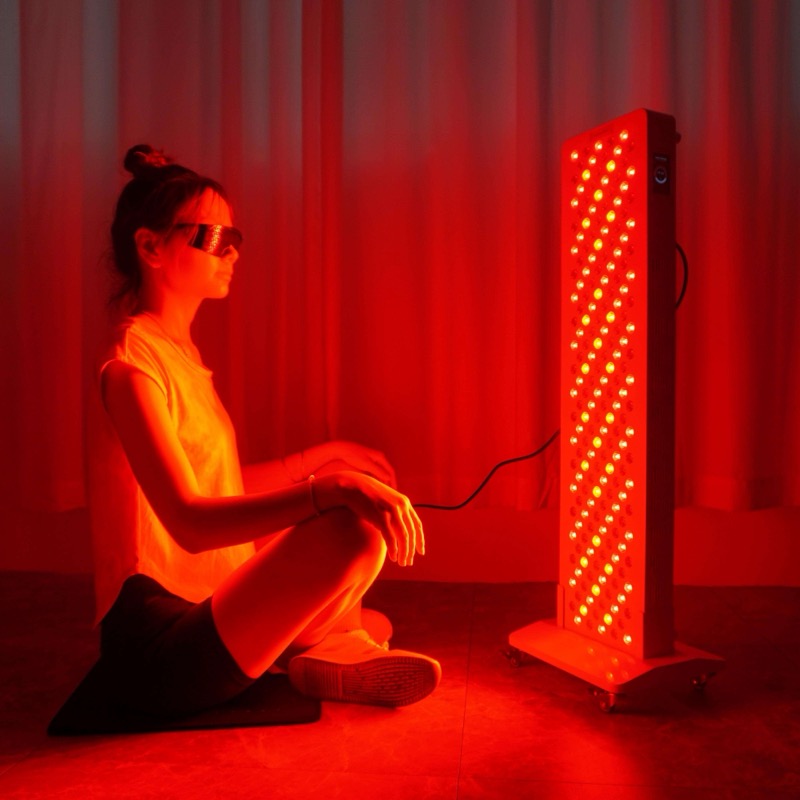
Many advanced multi‑wavelength panels now combine red and green LEDs to deliver layered therapeutic effects, especially in professional devices used by dermatologists, med spas and integrative wellness centers. [tampamedspaauthority]
Strategic reasons to combine red and green light:
- Red light provides the structural and regenerative foundation (collagen, healing, inflammation control). [elvishredlight]
- Green light refines tone, comfort and sensory experience, targeting pigmentation and calming the nervous system. [lumivisage]
- Users receive both "visible beauty" (tone, glow) and "invisible benefits" (cell energy, less pain), enhancing perceived value and satisfaction. [lumivisage]
Practical protocol examples often recommended in clinics and high‑end consumer programs include:
1. Sequential use: 10–15 minutes of red light for deep repair, followed by 10 minutes of green light to address pigmentation and sensitivity in the same session. [tampamedspaauthority]
2. Alternating days: Red light on high‑intensity recovery days, green light on "calming and tone" days, particularly for users with reactive skin. [lumivisage]
For brands working with EZ‑Therapylight, this combination can be encoded into device presets and UX flows, making complex protocols simple and intuitive for end users.
To go beyond standard comparison content, it is useful to highlight recent expert trends that influence both product design and user education:
- Power density and dose matter as much as color: Low‑power consumer gadgets often fail to reach the energy threshold required for real photobiomodulation, especially for deeper red‑light goals. [elvishredlight]
- Consistency beats intensity: Most protocols recommend 3–5 sessions per week for 8–12 weeks to see meaningful change, whether for anti‑aging, pain or pigmentation. [tampamedspaauthority]
- Combination therapy is becoming the norm: Dermatologists and med‑spa practitioners increasingly use multi‑color panels, combining red and green with other wavelengths to customize for acne, rosacea, migraines and stress. [lumivisage]
For manufacturers, these trends translate into demand for:
- Devices with programmable modes and multiple channels, rather than single‑wavelength, single‑intensity products. [elvishredlight]
- Clear, data‑backed protocol guides that help users stay compliant and improve long‑term outcomes, reducing returns and increasing reviews. [tampamedspaauthority]
From the vantage point of a Chinese R&D‑driven light therapy manufacturer, the red vs green decision is not just clinical—it's deeply strategic for product positioning and ROI.
Key OEM/ODM decisions where expert guidance matters include:
- Wavelength selection and mix: Choosing 630–660 nm red chips and 520–550 nm green chips based on target markets (anti‑aging vs pigmentation vs migraine relief). [pubmed.ncbi.nlm.nih]
- LED layout and power density: Designing panel geometry to deliver adequate irradiance while keeping sessions comfortable and safe. [elvishredlight]
- UX design and presets: Integrating one‑touch modes such as "Red Recovery," "Green Calm," and "Red+Green Skin Balance" so users do not need to interpret complex protocols.
For brands focused on Light Therapy, Wellness, Health and Biohacking, partnering with an experienced manufacturer allows them to:
- Launch differentiated multi‑wavelength product lines faster, backed by solid technical documentation.
- Maintain device quality and long‑term reliability, which is critical for both clinical relationships and consumer trust.
From an end‑user standpoint, the decision is simpler when framed around primary goals:
- Choose red light therapy if your main focus is:
- Anti‑aging and overall skin quality.
- Recovery from exercise or chronic joint/muscle pain.
- Broad wellness benefits with strong evidence.
- Choose green light therapy if your main focus is:
- Dark spots, melasma or uneven tone.
- Redness and sensitivity, especially if other methods are too aggressive.
- Stress, migraine or sensory comfort, as part of a broader routine.
- Choose combined red + green if you want:
- A holistic skin and mood solution, rather than a single‑issue device.
- To stack long‑term regenerative benefits with short‑term calming and tonal refinement.
For clinics and brands, positioning content around clear goal‑based pathways ("Pain & Recovery," "Skin Tone & Brightening," "Calm & Sensory Relief") improves UX and conversion across marketing channels.
As an R&D‑first light therapy device manufacturer, EZ‑Therapylight can support global brands, wholesalers and clinics in several ways:
- Custom wavelength design: Tailored red and green LED combinations aligned with your clinical protocols and brand narrative.
- OEM & ODM services: From industrial design and housing materials to electronics, testing and certification for international markets.
- Technical and marketing support: Providing data, expert commentary and protocol suggestions that strengthen your content's E‑E‑A‑T and educate end users effectively.
This partnership approach helps transform a simple "red vs green light therapy" comparison into real, marketable product differentiation backed by credible science and user experience.
If your brand is ready to move beyond generic panels and build expert‑level red and green light therapy solutions, now is the ideal time to act.
Define your primary user goals—anti‑aging, pigmentation, migraine relief, stress management or recovery—and then collaborate with a specialized manufacturer to engineer the right wavelength mix, power density and UX.
By partnering with an experienced OEM/ODM provider like EZ‑Therapylight, your team can:
- Create clinically informed, user‑friendly devices that match evolving consumer expectations.
- Strengthen your authority with data‑supported content and protocols.
- Deliver consistent, visible results that turn first‑time buyers into long‑term advocates.
1. Is red or green light therapy better for anti‑aging?
Red light therapy is generally better for anti‑aging because it penetrates deeper into the dermis, enhancing collagen and elastin and improving overall texture. Green light has more impact on pigmentation and tone than on structural aging. [lumivisage]
2. Can I use red and green light therapy in the same session?
Yes, many protocols and multi‑wavelength devices use red and green in the same session, often starting with red for repair and following with green for calming and tone refinement. This layered approach can improve both visible and sensory outcomes. [lumivisage]
3. Is green light therapy safe for sensitive skin?
Green light is generally considered gentle and is often recommended for sensitive or redness‑prone skin, especially at moderate intensities and controlled exposure times. As with any device, users should follow manufacturer guidelines and consult professionals for chronic conditions. [lumivisage]
4. How long does it take to see results with red or green light therapy?
Most users start seeing noticeable improvements after 4–6 weeks of consistent use, typically 3–5 sessions per week for 10–20 minutes. Anti‑aging and pigmentation changes may take longer than short‑term calming or migraine relief. [tampamedspaauthority]
5. What should brands consider when choosing wavelengths for new devices?
Brands should align wavelength selection with target outcomes (anti‑aging vs pigmentation vs migraine), ensure adequate power density, and design clear UX presets that simplify complex protocols for end users. Working with a specialized OEM/ODM partner helps balance performance, safety and marketability. [elvishredlight]
1. Tampa Med Spa Authority – Red vs Blue vs Green Light Therapy: What Each Color Actually Does https://tampamedspaauthority.com/blog/light-therapy-colors-explained/
2. Elvish Red Light – Red vs. Green vs. Blue Light Therapy: What Is the Difference? https://elvishredlight.com/blogs/learn/red-vs-green-vs-blue-light-therapy-what-is-the-difference
3. Lumivisage – Green Light Therapy vs Red Light Therapy: Which Is Better? https://lumivisage.com/blog/green-light-therapy-vs-red-light-therapy/
4. PubMed – Green light is effective and less painful than red light in photodynamic therapy of facial solar keratoses https://pubmed.ncbi.nlm.nih.gov/9542754/
5. Vellgus – Green Light Therapy vs. Red Light Therapy: Which Is Better for You? https://vellgus.com/green-light-therapy-vs-red-light-therapy-which-is-better-for-you/
6. Hooga – Red vs Green Light Therapy: Understanding the Difference https://hoogahealth.com/blogs/news/red-vs-green-light-therapy-understanding-the-difference


