
- All
- Product Name
- Product Keyword
- Product Model
- Product Summary
- Product Description
- Multi Field Search

Views: 222 Author: EZ-Therapylight Publish Time: 2026-07-14 Origin: Site


Content Menu
● Understanding Red vs. Green Light Therapy
● Core Mechanisms: How Red Light Reduces Pain
>> Cellular Energy, Repair and Inflammation
● Core Mechanisms: How Green Light Modulates Pain
>> Nervous System, Migraine and Nociception
● Pain Profiles: When Red Light Therapy Works Best
>> Deep Musculoskeletal and Joint Pain
● Pain Profiles: When Green Light Therapy Works Best
>> Migraine, Headache and Nerve‑Driven Pain
● Side‑by‑Side Comparison: Red vs. Green Light for Pain
>> Key Technical and Clinical Differences
● Expert OEM/ODM Insight: How Brands Should Choose
● Combining Red and Green Light in Pain Programs
● Practical Protocol Tips and Safety Considerations
● Choosing Between Red and Green: A Simple Decision Framework
● CTA: Co‑Create Red and Green Light Solutions With EZ‑Therapylight
● FAQs
Red and green light therapy are both promising non‑drug options for pain relief, but they work in very different ways and suit different pain profiles. Red light penetrates deeper tissues and supports cellular repair, while green light primarily modulates the nervous system and pain signaling, especially in migraine and nerve‑related pain. [hoogahealth]
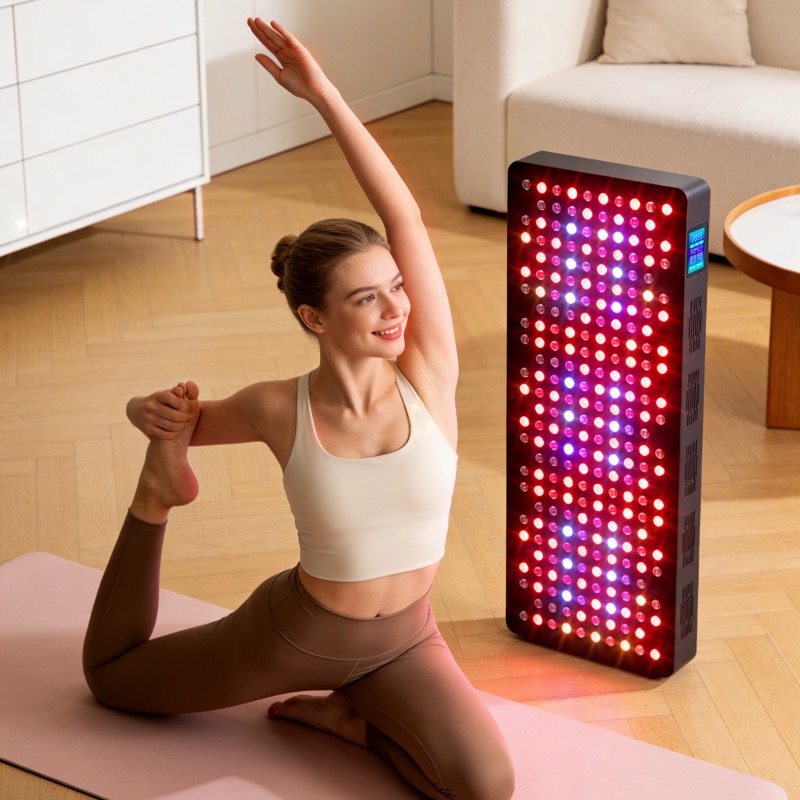
Red and green light therapy are part of a broader category of photobiomodulation—using specific light wavelengths to trigger beneficial biological responses without heat or tissue damage. As a China‑based OEM/ODM red light therapy device manufacturer, EZ‑Therapylight designs systems that precisely control wavelength, intensity and treatment time to match different pain indications and clinical or wellness protocols. [therapy-light]
In pain management, red light therapy focuses on deeper tissues such as muscles, tendons and joints, while green light therapy acts more on superficial structures and pain pathways within the nervous system. For brand owners, clinics and biohacking communities, understanding this division helps you position the right technology for the right customer segment instead of searching for a single "best" color. [therapy-light]
Red light therapy typically uses wavelengths around 630–660 nm, which are able to reach deeper layers of the skin and underlying musculature. At this range, photons interact with mitochondrial enzymes such as cytochrome c oxidase, increasing ATP production, improving cellular energy status and supporting tissue repair. This photobiomodulation cascade can reduce inflammatory mediators, improve microcirculation and accelerate healing in tendons, ligaments and joint structures linked to chronic pain. [pubmed.ncbi.nlm.nih]
From an expert manufacturer's perspective, this mechanism explains why dose metrics such as irradiance (mW/cm²) and total energy delivered (J/cm²) matter: too little energy and you do not reach a therapeutic threshold; too much, and the biological response plateaus or may even reverse. OEM devices from EZ‑Therapylight therefore calibrate LED arrays, beam angles and treatment distances to deliver clinically relevant doses within 10–20 minutes for most musculoskeletal indications. [therapy-light]
Green light therapy usually operates in the 520–560 nm range, which does not penetrate as deeply into tissue but interacts strongly with visual and neural pathways. Rather than directly boosting tissue repair, green light appears to modulate nociception—the way the nervous system processes pain—by altering activity in pain‑related neural circuits and pain‑associated genes and proteins. [hoogahealth]
Clinical and preclinical data show that controlled exposure to green light can reduce the frequency and intensity of migraine episodes, improve quality of life scores and lower headache‑related disability in both episodic and chronic migraine patients. Research from leading academic groups has also found that, at low intensities, a narrow band of green light can actually reduce headache pain and photophobia, in contrast to red or blue light, which tend to aggravate symptoms. For wellness brands serving biohackers and migraine‑sensitive customers, this makes green light therapy a compelling non‑pharmacological adjunct. [pubmed.ncbi.nlm.nih]
For deep tissue pain, red light therapy is usually the primary choice: [hoogahealth]
- Arthritis and joint inflammation – Deeper penetration allows red light to reach joint capsules and surrounding tissue, supporting reduced inflammation and improved mobility over time. [hoogahealth]
- Tendonitis and sports injuries – Enhanced cellular energy and circulation can help tendons, ligaments and muscle fibers recover more efficiently after strain. [pubmed.ncbi.nlm.nih]
- Post‑surgery recovery – Red light is frequently used to support wound healing and reduce post‑operative pain in soft tissues. [hoogahealth]
From an OEM/ODM perspective, this means panel‑style devices, mats and localized wraps are often configured with high‑density 630–660 nm LEDs and optional near‑infrared modules to target larger anatomical areas such as the back, knees or shoulders. Clinics and professional wellness studios can integrate such devices into protocols for physiotherapy, chiropractic care and sports rehab. [therapy-light]
In contrast, green light therapy is best positioned for surface‑level and nerve‑driven pain: [hoogahealth]
- Chronic migraine and episodic migraine – Multiple studies report fewer headache days, lower pain scores and improved quality of life after regular green light exposure via LEDs. [pubmed.ncbi.nlm.nih]
- Photophobia and light sensitivity – Green light is the only tested wavelength that reduces pain intensity and is better tolerated than white, blue, red or amber light during migraine attacks. [hms.harvard]
- Fibromyalgia and neuropathic pain – Emerging evidence suggests green light can modulate pain perception pathways, making it promising for widespread nerve‑related pain. [pubmed.ncbi.nlm.nih]
For brands focused on biohacking and wellness, this opens niches for smaller, eye‑safe green light devices: desk units for migraine‑prone professionals, bedroom systems to support sleep and recovery, or clinic‑grade LED installations for neurology and pain centers. [therapy-light]
Below is a simplified, user‑friendly comparison aligned with what pain specialists and manufacturers currently observe in practice. [pubmed.ncbi.nlm.nih]
| Factor | Red Light Therapy | Green Light Therapy |
|---|---|---|
| Typical wavelength range | 630–660 nm (often combined with NIR) (hoogahealth) | 520–560 nm, narrow band for migraine (hoogahealth) |
| Tissue penetration | Deep tissue: muscles, tendons, joints (hoogahealth) | Surface/nerve‑level: skin, visual and pain pathways (hoogahealth) |
| Primary mechanism | Photobiomodulation: ATP increase, anti‑inflammatory, tissue repair (pubmed.ncbi.nlm.nih) | Nociception modulation: altered pain signaling and photophobia reduction (hms.harvard) |
| Best‑fit indications | Arthritis, tendonitis, post‑injury and post‑surgery pain, muscle recovery (hoogahealth) | Migraine, chronic headache, fibromyalgia, neuropathic pain, light sensitivity (pubmed.ncbi.nlm.nih) |
| Typical session duration | 10–20 minutes per area, depending on dose and irradiance (hoogahealth) | 20–30 minutes of controlled exposure, daily or several times per week (hoogahealth) |
| Typical sensation | Gentle warmth and relaxation in treated area (hoogahealth) | Cool, calming visual experience; should not feel bright or glaring (hoogahealth) |
| Evidence status | Strongest for musculoskeletal repair and inflammation reduction in PBM research (pubmed.ncbi.nlm.nih) | Growing but still emerging evidence, especially in migraine and nerve pain (pubmed.ncbi.nlm.nih) |
For modern wellness and biohacking brands, the strategic takeaway is clear: red light = structural repair and deep tissue support, green light = nervous‑system modulation and migraine relief. [pubmed.ncbi.nlm.nih]
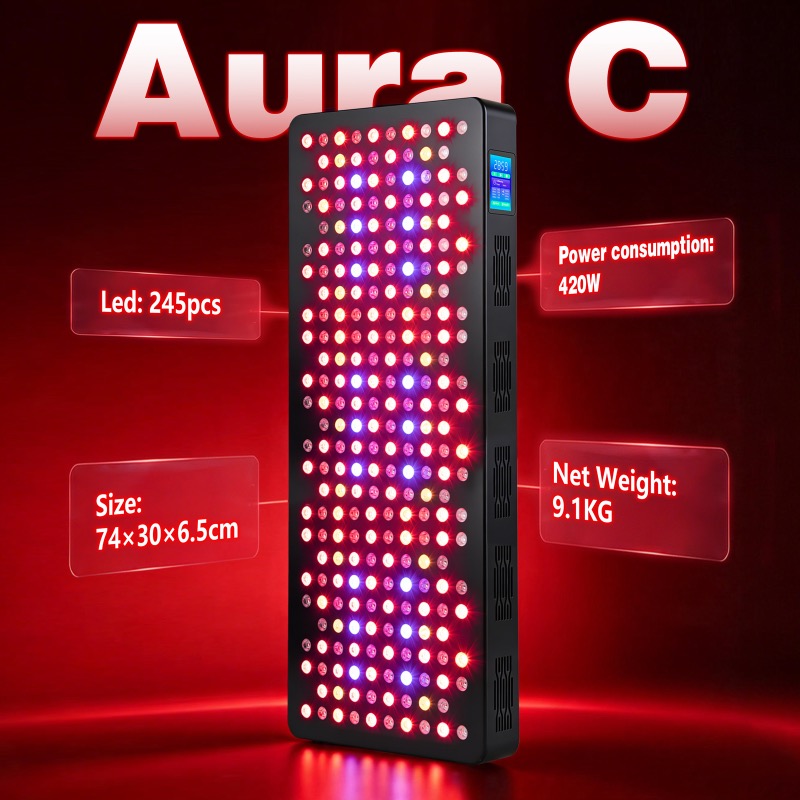
From the vantage point of an OEM/ODM manufacturer working with global wellness, health and biohacking brands, a few practical patterns stand out: [therapy-light]
1. Start with a clear pain map.
Map your target customers' main issues: are they dealing more with chronic back pain and arthritis, or debilitating headaches and fibromyalgia? This determines whether red, green, or a combined portfolio makes sense. [pubmed.ncbi.nlm.nih]
2. Design around use cases, not just wavelengths.
For red light, that often means larger panels, mats and wraps with higher irradiance and ergonomic form factors for repeated home or clinic use. For green light, comfortable, low‑intensity, narrow‑band solutions that minimize glare and visual fatigue are critical. [health.harvard]
3. Consider protocol guidance as a product feature.
Evidence‑based recommendations—session duration, distance, weekly frequency and contraindications—should be built into manuals, apps or on‑device instructions. This improves outcomes, reduces misuse and strengthens your brand's authority. [pubmed.ncbi.nlm.nih]
By leveraging manufacturing partners like EZ‑Therapylight, brands can co‑develop bespoke devices and content ecosystems that align with these insights while meeting regional regulatory and safety expectations. [therapy-light]
While most devices focus on one wavelength family, clinics and advanced biohackers increasingly experiment with layered protocols that combine red and green light over different time scales. [therapy-light]
A practical framework looks like this:
1. Structural phase (red light).
Use red light therapy 3–5 times per week on affected muscles or joints to support tissue repair, reduce inflammation and restore mobility. [pubmed.ncbi.nlm.nih]
2. Modulation phase (green light).
Integrate daily or near‑daily green light sessions to reduce central sensitization, migraine frequency, and overall pain burden around the nervous system. [hms.harvard]
3. Maintenance phase.
Once symptoms stabilize, maintain a lower‑frequency schedule (e.g., 2–3 red light sessions and several short green light exposures per week) to prevent relapse and support long‑term wellness. [healthsciences.arizona]
For OEM brands, this opens opportunities to offer bundled solutions—for example, a red light recovery mat plus a green light migraine desk lamp—with unified app guidance and data tracking to reinforce user adherence. [therapy-light]
To align with emerging evidence and enhance user experience, consider these practical guidelines: [hms.harvard]
- Dose and duration.
- Red light: aim for 10–20 minutes per area, with standardized irradiance that falls within commonly studied PBM ranges. [therapy-light]
- Green light: often 20–30 minutes of low‑intensity exposure, especially for chronic migraine. [pubmed.ncbi.nlm.nih]
- Environment and positioning.
- Red light: position panels or mats at manufacturer‑recommended distances, ensuring consistent coverage and comfortable posture. [therapy-light]
- Green light: create a dim, low‑glare environment where green light does not feel visually stressful; avoid staring directly into bright sources. [health.harvard]
- Safety and contraindications.
Both modalities are generally well‑tolerated with minimal reported side effects in current studies, but users with severe eye conditions, photosensitive disorders or complex neurological disease should consult a clinician before starting. [health.harvard]
For most users and brands, the question is not "Which color is better?" but "Which color fits this pain problem right now?". [pubmed.ncbi.nlm.nih]
Use this simplified decision framework:
1. Is the primary pain deep and structural?
If yes—chronic back pain, knee arthritis, tendonitis, muscle strain—start with red light therapy as the core modality. [pubmed.ncbi.nlm.nih]
2. Is the primary pain driven by migraine or nerve hypersensitivity?
If yes—recurring headaches, severe photophobia, fibromyalgia—prioritize green light therapy, potentially alongside standard medical treatment. [hms.harvard]
3. Do symptoms span both categories?
In complex cases (e.g., migraine plus neck tension, chronic pain plus anxiety), a combined program with carefully structured red and green light exposures may offer the most comprehensive relief. [pubmed.ncbi.nlm.nih]
For device brands partnering with EZ‑Therapylight, this framework can be translated into product selectors, app flows and on‑site questionnaires that guide customers toward the most appropriate solutions. [therapy-light]
If your brand serves Light Therapy, Wellness, Health or Biohacking customers and you want to offer clinically aligned pain solutions, partnering with a specialized OEM/ODM manufacturer is essential. EZ‑Therapylight helps global brands design, prototype and scale custom red light therapy devices—including panels, mats and wraps—while advising on how green light technologies can complement your portfolio for migraine and nerve‑driven pain segments. [therapy-light]
Whether you are building your first light therapy product line or upgrading an existing one, now is the ideal time to integrate evidence‑based red and green light strategies into your offering and content ecosystem. [pubmed.ncbi.nlm.nih]
1. Is red or green light therapy better for chronic back pain?
Red light therapy is generally more suitable for chronic back pain because it reaches deeper tissues, supporting muscle and joint repair and reducing inflammation over time. [pubmed.ncbi.nlm.nih]
2. Can green light therapy replace migraine medication?
Current research shows green light can reduce migraine frequency and pain intensity, but it is best viewed as a non‑pharmacological complement rather than a complete replacement for prescribed medication. [pubmed.ncbi.nlm.nih]
3. How long does it take to feel results with red light therapy?
Some users feel reduced soreness after a few sessions, but sustained changes in joint function and chronic pain often require several weeks of regular, correctly dosed use. [hoogahealth]
4. Is light therapy safe for everyday home use?
Studies and manufacturer guidance indicate that properly designed red and green light devices are generally safe when used as directed, with minimal reported side effects, although people with special conditions should consult a clinician. [health.harvard]
5. Can one device offer both red and green light therapy?
It is technically possible to integrate multiple LED types into a single device, but brands must carefully design optics, controls and protocols so each wavelength family is delivered at appropriate intensity and duration. [therapy-light]
1. Hooga Health. "Red vs. Green Light Therapy for Pain: Which One Works?" https://hoogahealth.com/blogs/news/red-vs-green-light-therapy-for-pain-which-one-works
2. EZ‑Therapylight. "Red Light Therapy Manufacturers." https://www.therapy-light.com/red-light-therapy-manufacturers.html
3. EZ‑Therapylight. "Blogs – Red and Green Light Therapy Insights." https://www.therapy-light.com/de/blog.html
4. EZ‑Therapylight. "How Does a Red Light Mat Work?" https://www.therapy-light.com/how-does-a-red-light-mat-work.html
5. PubMed. "Light Therapy in Chronic Migraine." https://pubmed.ncbi.nlm.nih.gov/38865075/
6. PubMed. "Evaluation of Green Light Exposure on Headache Frequency." https://pubmed.ncbi.nlm.nih.gov/32903062/
7. University of Arizona Health Sciences. "Green Light Therapy Shown to Reduce Migraine Frequency, Intensity." https://healthsciences.arizona.edu/news/releases/green-light-therapy-shown-reduce-migraine-frequency-intensity-0
8. Harvard Medical School. "Green Light for Migraine Relief." https://hms.harvard.edu/news/green-light-migraine-relief
9. Harvard Health Publishing. "Shining a light on migraine relief." https://www.health.harvard.edu/blog/shining-light-migraine-relief-2016083010148
10. PubMed. "Evaluating the Potential of Green Light Exposure on Nociception – A Mini Review." https://pubmed.ncbi.nlm.nih.gov/37221686/


