
- All
- Product Name
- Product Keyword
- Product Model
- Product Summary
- Product Description
- Multi Field Search

Views: 258 Author: EZ-Therapylight Publish Time: 2026-07-09 Origin: Site


Content Menu
● Mechanism of Action: Cellular-Level Differences
>> How Red Light Works in the Body
>> How Blue Light Works in the Body
● Key Benefits of Red vs Blue Light Therapy
>> Core Benefits of Red Light Therapy
>> Core Benefits of Blue Light Therapy
● Safety Profiles and Risk Management
>> Red Light Therapy Safety Considerations
>> Blue Light Therapy Safety Considerations
● Use Cases: When to Choose Red vs Blue
>> Red Light Therapy: Ideal Scenarios
>> Blue Light Therapy: Ideal Scenarios
● Expert-Level Comparison Table: Red vs Blue Light Therapy
● Latest Industry Trends and Data-Driven Insights (2024–2026)
● OEM/ODM Perspective: Designing Professional Red and Blue Light Devices
>> What Professional Buyers Look For
>> How Specialized Red Light Manufacturers Add Value
● Practical Protocol Tips: From User and Expert Viewpoints
>> Red Light Therapy Protocol Essentials
>> Blue Light Therapy Protocol Essentials
● Choosing Between Red and Blue Light: Strategy for Brands and Clinics
● Why Partnering with a Specialized Red Light Manufacturer Matters
● Call to Action: Building Your Next-Generation Light Therapy Portfolio
● FAQs
Red light therapy and blue light therapy are two of the most important non‑invasive light-based modalities shaping today's wellness, beauty, and biohacking markets. From an industry insider's perspective, understanding their mechanisms, benefits, safety profiles, and device design principles is essential before investing in OEM/ODM partnerships or launching new product lines. This guide combines practical brand-side experience with manufacturing-level insights to help decision-makers choose the right wavelength strategy for their portfolio. [therapy-light]

Red light therapy typically uses visible red and near-infrared wavelengths in the range of about 630–850 nm, delivered via LEDs in panels, mats, masks, or beds. These wavelengths are absorbed by mitochondrial chromophores, where they can enhance ATP production and support cellular repair, circulation, and anti-inflammatory responses. [therapy-light]
From a user and clinician perspective, red light therapy (often called photobiomodulation) is valued because it is non-invasive, non-thermal at therapeutic dosages, and suitable for repeated use over long periods. Modern devices often combine multiple wavelengths (for example, 630 nm for superficial skin, 660 nm for the dermis, 810–850 nm for deeper tissues) to create layered effects that support both aesthetic and recovery-focused protocols. [ideatherapy]
Blue light therapy uses shorter wavelengths, commonly around 415 nm, targeting structures closer to the skin surface. It is best known for its antimicrobial and sebostatic effects, which make it popular for acne-prone skin and certain dermatology indications. [therapy-light]
Where red light tends to support cellular energy and tissue repair, blue light is more focused on controlling bacterial load and modulating sebaceous activity. In consumer and professional devices, blue light modules often appear in facial masks or compact panels designed for localized facial treatment rather than full-body applications. [therapy-light]
Red and near-infrared wavelengths can penetrate several millimeters into tissue, reaching deeper layers of skin, muscle, and microvasculature. At the mitochondrial level, these photons interact with cytochrome c oxidase and other chromophores, supporting ATP synthesis and modulating reactive oxygen species within a controlled range. [ideatherapy]
For users, this translates into potential benefits such as improved microcirculation, reduced local inflammation, faster tissue recovery, and better perceived energy in treated areas. Over time, structured protocols may also influence collagen dynamics and skin texture, which is why red light now appears in many anti-aging and recovery-oriented devices. [ideatherapy]
Blue light's shorter wavelength primarily acts near the skin surface, where it can affect porphyrins produced by bacteria such as Cutibacterium acnes. When these porphyrins absorb blue light, they can generate localized oxidative stress that helps reduce bacterial populations in follicles. [therapy-light]
For everyday users and dermatology patients, this often presents as a reduction in inflammatory acne lesions and oiliness, especially when blue light is combined with gentle skincare routines. However, because penetration is relatively shallow, blue light is not used for deep-tissue recovery or systemic wellness goals. [therapy-light]
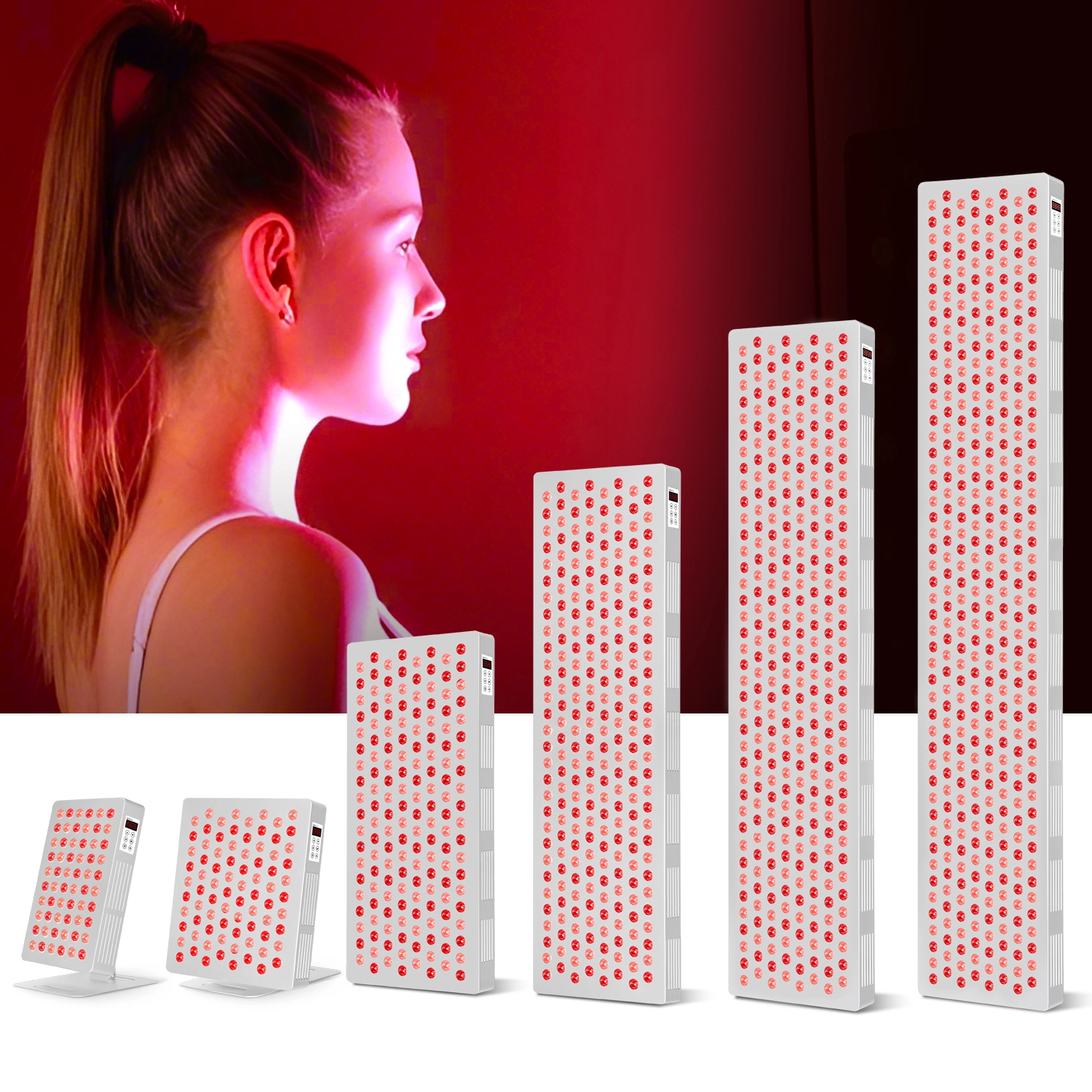
Red light therapy is frequently chosen for applications where repair, recovery, and long-term wellness are primary objectives. Typical user-oriented benefits cited in the literature and product documentation include: [ideatherapy]
- Support for muscle recovery after training or physical work. [ideatherapy]
- Potential reduction of localized pain and stiffness in joints or soft tissues. [ideatherapy]
- Improved skin texture and tone linked to collagen-related changes. [therapy-light]
- Enhanced perceived energy and well-being after consistent usage. [ideatherapy]
For modern wellness and biohacking brands, full-body red light panels and beds have become flagship offerings, often used by athletes, clinic clients, and home users aiming for comprehensive systemic support. [therapy-light]
Blue light therapy's value proposition is much more targeted and cosmetic, with a primary focus on problematic skin. Common benefits include: [therapy-light]
- Reduction of acne lesions through decreased bacterial activity. [therapy-light]
- Support for oil-control protocols by modulating sebaceous activity. [therapy-light]
- Complementary use alongside gentle skincare routines to reduce flare-ups. [therapy-light]
For brands in beauty and aesthetic niches, blue light modules are often integrated into facial therapy systems, where their effects align closely with the expectations of users struggling with breakouts or congested skin. [therapy-light]
At professionally managed dosages, red light therapy is widely regarded as safe for repeated use and suitable for a broad range of users. Nevertheless, manufacturers and brand owners must consider: [ideatherapy]
- Dose and irradiance control: Overshooting recommended exposure can lead to diminishing returns; some users may experience transient redness or discomfort. [ideatherapy]
- Eye protection: High-intensity panels should be used with appropriate eyewear, especially in clinic environments. [therapy-light]
- Thermal management: Although therapeutic red light is usually non-thermal, device engineering must dissipate residual heat safely over long sessions. [therapy-light]
From a personal and expert perspective, consistent adherence to structured protocols and manufacturer guidance tends to minimize risks, particularly when devices carry appropriate certifications and testing. [therapy-light]
Blue light therapy requires a more cautious approach to exposure time and ocular safety, due to its shorter wavelength and interaction with the eye. Key considerations include: [therapy-light]
- Avoiding direct exposure to the eyes, with strict use of shields or goggles in professional settings. [therapy-light]
- Limiting session duration according to manufacturer guidelines, especially for sensitive skin types. [therapy-light]
- Working within dermatology-approved ranges if devices are marketed for medical or quasi-medical indications. [therapy-light]
User feedback suggests that most adverse reactions can be avoided with careful dosage, but brands must design interfaces and protocols that guide users clearly and visually through safe usage. [therapy-light]
Red light therapy is particularly well-suited to:
- Performance recovery and athletic regeneration services. [ideatherapy]
- Anti-aging treatments in spas, clinics, and home beauty routines. [therapy-light]
- Pain management protocols for joints, muscles, and fascia. [ideatherapy]
- Whole-body or large-area wellness programs offered by gyms and biohacking studios. [therapy-light]
From a manufacturer's vantage point, full-body panels, beds, belts, and mats are now core SKUs for wellness brands, clinics, and recovery facilities seeking to differentiate through evidence-informed technology. [therapy-light]
Blue light therapy is best chosen for:
- Acne-focused facial treatments in dermatology clinics and beauty centers. [therapy-light]
- Home devices targeting breakout-prone skin and oily T‑zones. [therapy-light]
- Combination protocols where blue light is paired with other non-invasive modalities. [therapy-light]
Due to its localized impact, blue light therapy typically appears as part of facial-focused product lines rather than whole-body wellness systems. [therapy-light]
Below is a structured comparison from both user and manufacturer perspectives. [ideatherapy]
| Aspect | Red Light Therapy | Blue Light Therapy |
|---|---|---|
| Typical wavelength | ~630–850 nm (ideatherapy) | ~415 nm (therapy-light) |
| Penetration depth | Deeper skin and subcutaneous tissue (ideatherapy) | Primarily epidermis and follicles (therapy-light) |
| Main mechanisms | Photobiomodulation, mitochondrial support, ATP boost (ideatherapy) | Antimicrobial action via bacterial porphyrins (therapy-light) |
| Core applications | Recovery, pain relief, anti-aging, systemic wellness (therapy-light) | Acne management, oil control, targeted cosmetic use (therapy-light) |
| Device formats | Panels, beds, mats, facial masks, belts (therapy-light) | Facial masks, compact panels, facial systems (therapy-light) |
| Ideal user profile | Athletes, biohackers, wellness clients, aging skin users (therapy-light) | Acne-prone users, dermatology patients, cosmetic clients (therapy-light) |
| Safety focus | Dose, irradiance, eye protection, thermal design (therapy-light) | Eye safety, session duration, skin sensitivity (therapy-light) |
In recent years, global demand for non-invasive light therapy devices has grown rapidly, reflecting a wider shift toward home wellness technology and personalized care. Market platforms and international catalogs report a steadily increasing variety of red light therapy lamps, panels, and beds aimed at both clinical and consumer segments. [medicalexpo.com]
From 2024 to 2026, several trends stand out:
- Full-body red light beds and panels are moving from niche to mainstream in high-end gyms, spas, and biohacking studios, especially in North America, Europe, and Asia-Pacific. [therapy-light]
- OEM/ODM collaboration models have become essential as brands seek faster go-to-market timelines while maintaining compliance across multi-country regulatory environments. [ideatherapy]
- Evidence-informed content marketing now plays a critical role in educating consumers on wavelength selection, dosage, and safety, which favors manufacturers who can provide technical support and documentation. [ideatherapy]
Blue light devices remain strong in aesthetics-focused segments but grow slower than red light platforms, reflecting the broader utility of red light therapy across recovery, wellness, and anti-aging verticals. [medicalexpo.com]
Brand owners, distributors, and clinic operators evaluating light therapy OEM/ODM partners typically focus on:
- Wavelength accuracy and consistency, aligned with published research ranges. [ideatherapy]
- Irradiance mapping and dosage transparency, ensuring predictable therapeutic outcomes. [therapy-light]
- Third-party certifications (such as safety and EMC testing) appropriate to target markets. [therapy-light]
- Scalable production capacity and responsive technical support. [therapy-light]
From a personal experience and industry standpoint, buyers increasingly expect co-created education assets (guides, usage charts, FAQs) to be bundled with devices to support clinics and end-users. [ideatherapy]
Professional red light therapy manufacturers that focus on R&D and OEM/ODM services can help brands:
- Translate abstract clinical parameters (nm, mW/cm², session time) into user-friendly product features and interfaces. [therapy-light]
- Customize devices into form factors that match brand positioning (e.g., rugged recovery panels vs elegant spa-ready systems). [therapy-light]
- Maintain consistency in diode selection, driver design, and thermal management over large-scale production. [therapy-light]
For global Light Therapy, Wellness, Health, and Biohacking brands, partnering with a specialized manufacturer reduces the risk of technical misalignment and creates room for differentiated, research-backed product lines. [therapy-light]
From an expert standpoint, effective red light therapy protocols balance dosage, frequency, and user comfort. Practical guidance often includes: [ideatherapy]
1. Start with moderate exposure times (e.g., 10–20 minutes per area) several times per week, then adjust based on response. [ideatherapy]
2. Maintain consistent distance to the panel or device, following manufacturer recommendations for irradiance. [therapy-light]
3. Focus on cumulative effects, explaining to users that perceived benefits often build over weeks rather than overnight. [ideatherapy]
4. Integrate into existing wellness routines, such as post-training recovery or evening relaxation. [therapy-light]
Users generally report better experiences when sessions are convenient, comfortable, and integrated into daily habits rather than treated as a sporadic intervention. [ideatherapy]
For blue light therapy, protocol design must emphasize precision and restraint. [therapy-light]
1. Restrict sessions to short durations recommended by device documentation, often a few times per week. [therapy-light]
2. Use eye protection consistently and avoid staring directly at sources. [therapy-light]
3. Pair blue light with gentle topical care, avoiding harsh substances that could compound irritation. [therapy-light]
4. Set realistic expectations, positioning blue light as a supportive tool within broader acne management plans rather than a stand-alone cure. [therapy-light]
This structured approach helps users maintain skin integrity while leveraging blue light's targeted antimicrobial benefits. [therapy-light]
From a strategic brand perspective, the decision between red and blue light therapy depends on target customers and service models. [ideatherapy]
- Wellness and recovery-oriented brands should prioritize red light panels, mats, or beds, emphasizing systemic benefits, athletic recovery, and long-term anti-aging. [therapy-light]
- Aesthetic and dermatology-focused brands may lead with blue light modules in facial devices, promoting acne-targeted protocols and supportive cosmetic routines. [therapy-light]
- Hybrid concepts, such as advanced beauty clinics or biohacking labs, can deploy both modalities in integrated treatment menus, offering layered protocols that address both skin health and deeper tissue recovery. [ideatherapy]
In all cases, clear education, transparent technical specifications, and structured usage guidance are essential to maintaining trust and perceived value among increasingly informed end-users. [ideatherapy]
For global light therapy brands, wholesalers, and professional buyers, working with a dedicated red light therapy device manufacturer in China provides several strategic advantages. [therapy-light]
- Access to purpose-built facilities and engineering teams focused exclusively on light therapy device design and production. [therapy-light]
- Ability to co-develop customized panels, blankets, facial masks, belts, and beds that match brand aesthetics and market requirements. [therapy-light]
- Support with certifications and documentation required for international distribution. [therapy-light]
From a personal and expert viewpoint, choosing a partner that combines technical depth with responsive communication significantly reduces friction during product development and long-term scaling. [therapy-light]
Whether you are a wellness brand, clinic group, or biohacking-focused company, now is the right time to evaluate your red vs blue light strategy and align it with user needs and evidence-informed protocols. By collaborating with a specialized red light therapy manufacturer offering OEM/ODM services, you can design devices that deliver consistent results, strong safety profiles, and clear differentiation in a competitive global market. [therapy-light]
If you are planning to launch or upgrade light therapy product lines, consider defining your core applications (recovery, anti-aging, acne, or hybrid) and then structuring a wavelength portfolio around those goals before moving into engineering and branding. [ideatherapy]
1. Is red light therapy better than blue light therapy for overall wellness?
Red light therapy is generally more suitable for systemic wellness, recovery, and anti-aging because of its deeper penetration and mitochondrial-focused mechanism. Blue light is best reserved for localized cosmetic use, especially acne management. [ideatherapy]
2. Can red and blue light therapy be combined in one device or protocol?
Yes, many facial systems and clinic menus combine both modalities to address acne while supporting skin quality and repair, provided that protocols and timing are clearly defined. [ideatherapy]
3. How long does it take to notice results from red light therapy?
Users often report incremental changes over several weeks of consistent red light therapy, especially in areas such as recovery, skin appearance, and localized discomfort. Clear communication about cumulative effects helps manage expectations. [ideatherapy]
4. Is blue light therapy safe for daily use on the face?
Safety depends on dosage and device design, but most expert guidance recommends following manufacturer instructions and avoiding excessive daily exposure, particularly without eye protection. [therapy-light]
5. What should brands prioritize when choosing a light therapy OEM/ODM partner?
Brands should focus on wavelength accuracy, irradiance transparency, regulatory support, scalable production capacity, and the ability to co-create educational materials and protocols. [ideatherapy]
1. Hooga Health. "Red Light vs. Blue Light Therapy." https://hoogahealth.com/blogs/news/red-light-vs.-blue-light-therapy
2. EZ-Therapylight. "ABOUT EZ-THERAPYLIGHT." https://www.therapy-light.com/about.html
3. EZ-Therapylight. "Blogs – Red Light vs. Blue Light Therapy: An Evidence-Based Guide for Modern Wellness Brands." https://www.therapy-light.com/de/blog.html
4. EZ-Therapylight. "Red Light Therapy Manufacturers." https://www.therapy-light.com/red-light-therapy-manufacturers.html
5. EZ-Therapylight. "How Does a Red Light Mat Work?" https://www.therapy-light.com/how-does-a-red-light-mat-work.html
6. EZ-Therapylight. "Top 10 Red Light Bed Manufacturers in China." https://www.therapy-light.com/top-10-red-light-bed-manufacturers-in-china.html
7. IDEATHERAPY. "Comparative Analysis of Red Light Therapy and Traditional Physical Therapy Modalities." https://www.ideatherapy.com/cn/new/comparative-analysis-of-red-light-therapy-and-traditional-physical-therapy-modalities.html
8. MedicalExpo. "Red Light Therapy Lamps Product Listing." https://www.medicalexpo.com.cn/zhizaoshang-yiliao/hong-guang-guang-liao-55536.html
9. IDEATHERAPY. "Red Light Therapy Manufacturer – ODM Services." https://www.ideatherapy.com/cn/red-light-therapy-manufacturer.html


