
- All
- Product Name
- Product Keyword
- Product Model
- Product Summary
- Product Description
- Multi Field Search

Views: 251 Author: EZ-Therapylight Publish Time: 2026-07-01 Origin: Site


Content Menu
● Understanding Red, Infrared, and NIR Light
● Penetration Depth: Surface Glow vs Deep Recovery
● Comparative Benefits: Red vs Infrared & NIR
● Evidence‑Based Use Cases in Modern Practice
>> Red Light: Skin‑First Applications
>> NIR Light: Deep Tissue and Performance
● Dual‑Wavelength Strategy: Why Advanced Devices Use Both
● Design Considerations for Professional Red & NIR Devices
● Expert Insight: Matching Wavelength to Buyer Persona
● Practical Usage Guidelines for End Users
● Red vs NIR: How to Communicate the Difference to Customers
● Industry Case Perspective: Why Many Brands Standardize on 660 nm & 850 nm
● Choosing the Right Light Therapy Device for Your Brand
● FAQs
As a professional light therapy manufacturer, you cannot afford confusion between red, infrared (IR) and near‑infrared (NIR) light therapy. This distinction drives product design, clinical outcomes, and ultimately your brand's positioning in the fast‑growing Light Therapy & Wellness & Biohacking markets.

Red light typically refers to visible wavelengths around 620–700 nm, with 630 nm and 660 nm being the most commonly used in light therapy devices. These wavelengths penetrate only a few millimeters into the skin, targeting the epidermis and upper dermis.
Near‑infrared light (NIR) usually spans 700–1000 nm, with 810–850 nm widely adopted for deeper tissue applications. Unlike red light, NIR is largely invisible to the human eye and can reach significantly deeper structures, including muscles, joints, and even bone.
Both red and NIR light operate through photobiomodulation (PBM) – the process where specific wavelengths stimulate cytochrome c oxidase in mitochondria, increasing ATP production, improving circulation, and modulating inflammation.
One of the most important practical differences is how deep each wavelength can penetrate tissue.
- Red light (630–660 nm)
- Penetration: roughly 6–12 mm, reaching the dermis and superficial tissues.
- Best suited for: skin rejuvenation, surface wound healing, acne, and hair follicles.
- Near‑infrared (e.g. 850 nm)
- Penetration: approximately 30–50 mm, extending to muscles, joints, and deeper connective tissue.
- Best suited for: muscle recovery, joint pain, deep inflammation, and sometimes transcranial applications.
From an industry insider perspective, penetration depth is not a marketing detail; it defines what your device can realistically treat. For example, if your target is knee osteoarthritis or post‑workout muscle soreness, a panel that uses only surface‑level red wavelengths will underperform compared to a dual‑wavelength 660 nm + 850 nm design.
Below is a practical side‑by‑side view that many clinicians and biohackers implicitly use when choosing devices.
| Feature | Red Light (630–660 nm) | NIR / Infrared (800–850 nm) |
|---|---|---|
| Visibility | Bright red, visible glow | Mostly invisible, faint glow at most |
| Penetration depth | ~6–12 mm, skin and superficial tissue | ~30–50 mm, muscles, joints, possibly bone |
| Primary targets | Skin, dermis, hair follicles, surface wounds | Deep muscles, joints, connective tissue, sometimes brain |
| Key effects | Collagen stimulation, reduced fine lines, improved texture, faster epithelial healing | Reduced deep pain and inflammation, improved circulation, faster muscle recovery and joint function |
| Typical users | Beauty clinics, dermatology, home beauty devices, hair growth protocols | Rehabilitation centers, sports recovery studios, physiotherapy & biohacking clinics |
For brand owners and OEM/ODM buyers, this comparison directly shapes portfolio strategy: most premium devices now combine both ranges to deliver "layered" benefits across surface and deep tissues.
Red wavelengths (especially 630 nm and 660 nm) are heavily studied in dermatology and aesthetic medicine. Research and clinical experience show:
- Collagen stimulation and anti‑aging: 660 nm is a "sweet spot" for boosting collagen, smoothing fine lines and improving skin elasticity.
- Wound healing and scar care: Surface wounds respond well to visible red, which supports epithelial repair and local circulation.
- Acne and inflammatory skin conditions: Combined blue‑plus‑red protocols are common, but red alone still helps modulate superficial inflammation.
For wellness & beauty brands, red‑dominant panels are particularly attractive when your core customer promises revolve around glow, radiance, and "camera‑ready" skin.
Near‑infrared wavelengths (810–850 nm) are widely used in sports medicine, rehabilitation and biohacking for their deep‑tissue effects. Evidence and field practice suggest:
- Muscle recovery and sports performance: Wavelengths around 830–850 nm used before or after intense exercise can support reduced muscle soreness and faster recovery.
- Joint pain and arthritis: Low‑level light protocols for knee and other joints often rely on NIR to reach deeper structures and relieve pain.
- Circulation and inflammation: NIR helps improve microcirculation in deeper tissues and modulate inflammatory processes, supporting long‑term tissue health.
For biohacking‑oriented brands, NIR is often presented as the "performance and longevity" wavelength, appealing to users who track biomarkers, training capacity, and recovery data.
From an industry design standpoint, the real competitive edge lies in combining red and NIR wavelengths in a single, well‑engineered system.
Layered benefits of 660 nm + 850 nm setups:
- Surface + deep synergy: Red supports collagen and superficial repair while NIR handles joints, muscles and deeper inflammation.
- Comprehensive PBM: Different cytochrome c oxidase absorption peaks are targeted, improving overall mitochondrial response.
- Broader use scenarios: A single device can serve aesthetic clinics, physiotherapy departments, sports centers and home wellness users.
For OEM and ODM clients working with professional manufacturers, dual‑wavelength configurations are now a standard expectation, often around 660 nm + 850 nm, with flexibility for protocol‑specific variations.
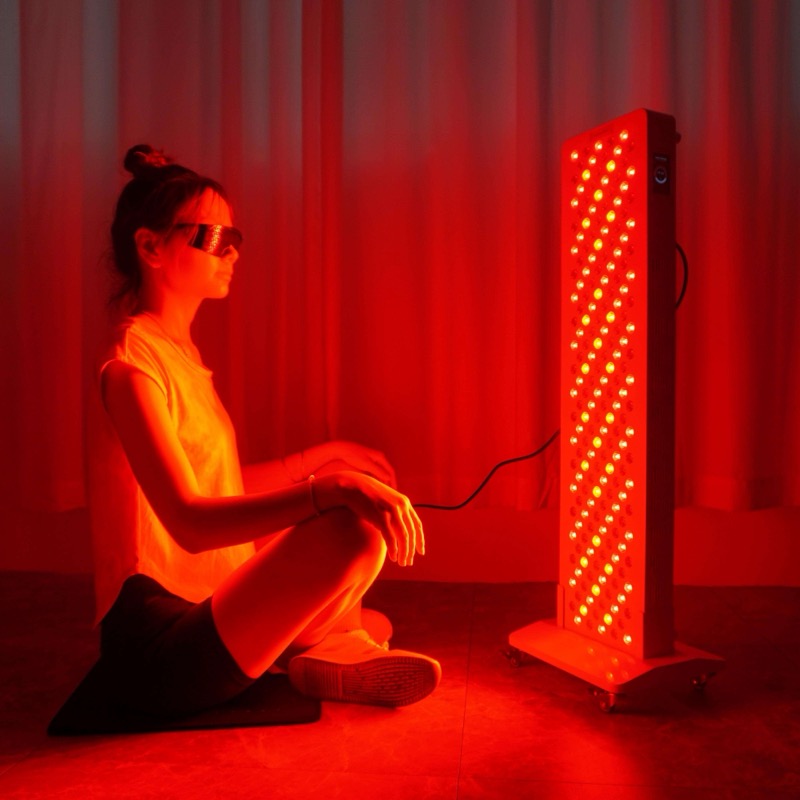
From a manufacturing and engineering perspective, choosing the right wavelength mix is only half the story. Serious brands also need to optimize core hardware parameters:
- LED count and distribution: Panels with a high and well‑distributed LED count offer more uniform coverage and consistent irradiance across treatment zones.
- Verified irradiance (mW/cm²): Real performance depends on measured irradiance at practical working distances, not just theoretical specs.
- Thermal management and safety: Adequate heat dissipation and built‑in timers are critical to avoid overheating and ensure safe, repeatable sessions.
- Dual‑channel control: Professional users increasingly expect independent control of red vs NIR channels, allowing tailored protocols per treatment site.
Manufacturers who can transparently communicate these parameters – rather than just marketing claims – align strongly with current E‑E‑A‑T expectations, demonstrating experience, expertise, authoritativeness and trustworthiness at both the technical and clinical levels.
From a B2B marketing and content strategy perspective, understanding how different buyers think about light therapy helps you position your devices more effectively.
1. Aesthetic & beauty clinics
- Main goals: visible results, skin quality, customer satisfaction.
- Best fit: panels emphasizing 630–660 nm red with optional NIR support.
2. Sports recovery and physiotherapy centers
- Main goals: shorter recovery times, reduced pain, improved function in athletes and patients.
- Best fit: NIR‑dominant setups (810–850 nm) with enough red light for superficial tissue support.
3. Biohacking studios and longevity clinics
- Main goals: performance, cognitive benefits, systemic inflammation control.
- Best fit: dual‑wavelength devices, often promoted with data‑driven narratives on ATP, circulation and neuroprotection.
By clearly mapping red vs NIR capabilities to these segments, OEM brands can build more focused product lines, better landing pages, and more persuasive sales materials, supporting long‑term SEO and brand equity.
While protocols vary by clinic, several practical patterns are emerging across the industry.
Basic session structure:
1. Determine target depth
- Skin, scars, hair: focus on red 630–660 nm.
- Deep joints, muscles, chronic pain: emphasize NIR 810–850 nm.
2. Set duration and frequency
- Typical sessions: 10–20 minutes per area, multiple times per week, adjusted for irradiance and clinical goals.
3. Maintain consistent distance
- Keep a fixed working distance that matches the irradiance profile specified by the manufacturer to avoid under‑ or over‑dosing.
4. Track outcomes
- For professional users, combining visual documentation (photos, ROM measurements) with simple symptom scales helps justify continued investment in devices and protocols.
Clear, actionable instructions like these greatly improve user experience, reduce drop‑off rates, and generate better testimonials – all vital for SEO and brand credibility.
To maximize SEO and UX, your content should repeatedly yet clearly explain the distinction between "surface glow" (red) and "deep recovery" (NIR) in simple language.
A straightforward messaging framework:
- Red light = skin health, glow, collagen, surface repair.
- NIR light = deeper healing, joints, muscles, performance & recovery.
- Combined = full‑layer wellness, from outer radiance to inner resilience.
Embedding this framework into your blog articles, product pages, email flows and sales scripts helps customers quickly decide which wavelength – or combination – they actually need, reducing confusion and boosting conversions.
Many top‑tier manufacturers and brands have converged on 660 nm (red) and 850 nm (NIR) as their "gold standard" combination.
Key reasons include:
- Strong scientific backing for 660 nm in collagen, skin rejuvenation and hair support.
- Deep penetration and widely used muscle/joint protocols at 850 nm in sports and rehab settings.
- Clean marketing narrative: two distinct but complementary wavelengths, easy to explain and visualize.
For OEM and ODM projects, aligning with this industry standard allows your brand to benefit from existing clinical literature and customer familiarity, while still offering unique features such as custom panel sizes, adjustable intensity, and specialized mounting systems.
When selecting or co‑developing devices, brand owners should consider both technical specs and market positioning.
Key decision points:
- Primary use cases: Are you primarily solving skin problems, pain and recovery, or long‑term wellness? Match wavelengths accordingly.
- Target customer segments: Beauty clients respond to visible red glow and skin narratives, while athletes and biohackers focus on NIR, performance, and data.
- Compliance and safety: Work with manufacturers who provide clear documentation on irradiance, safety tests, and recommended protocols.
- Scalability and service: OEM/ODM partners able to support updates, spare parts and training help ensure your brand reputation is protected long‑term.
By taking a strategic, evidence‑based approach to red vs NIR light therapy, you not only deliver better outcomes for end users but also strengthen your brand's standing as a trusted authority in modern light‑based wellness technologies.
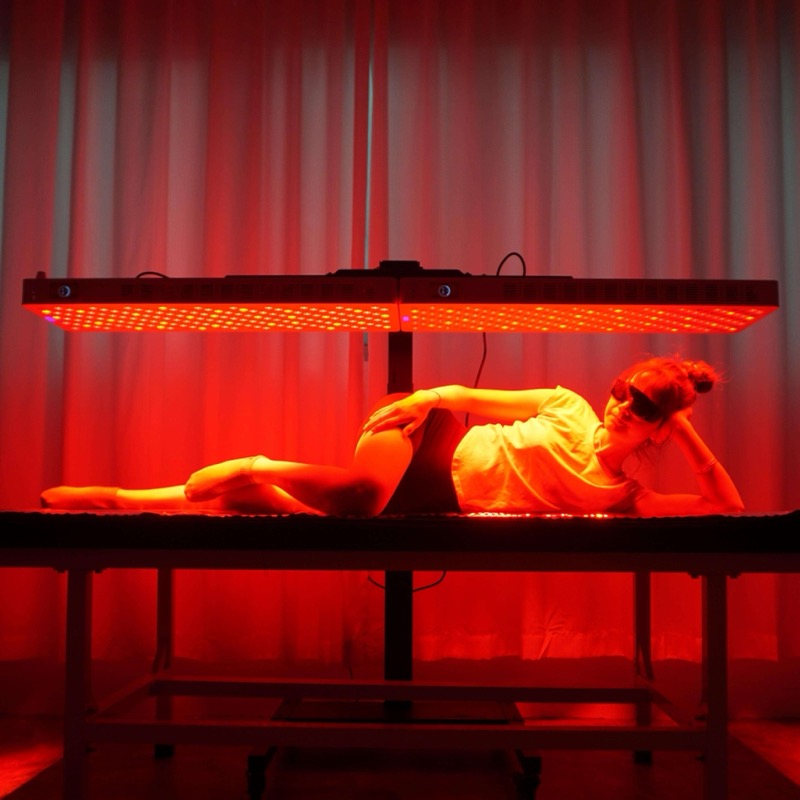
We've launched an waterproof (IP65), -40°~90°C heat/low temperature-resistant light therapy panel specifically built to integrate into saunas room, infrared cabins, hot tub, ice baths, steam baths and showers etc. luxtury wellness space— it delivers red/NIR/amber/blue wavelengths that supports skin rejuvenation, circulation and deep muscle relaxation while withstanding high humidity/heat environment.
If you are interesting for the products and want to know how it improve your business, please inquiry us:
Email: ez@therapy-light.com
WhatsApp: +86 151 1311 0489
1. Is red light or NIR better for anti‑aging?
Red light around 630–660 nm is generally preferred for anti‑aging because it targets the epidermis and upper dermis, stimulating collagen and improving fine lines and texture.
2. Which wavelength should athletes focus on for recovery?
Athletes typically benefit most from near‑infrared wavelengths (around 810–850 nm) due to their deeper penetration into muscles and joints, supporting faster recovery and reduced soreness.
3. Can one device effectively handle both skin and joint issues?
Yes, many high‑end devices combine 660 nm red and 850 nm NIR, delivering both surface‑level skin benefits and deep tissue recovery in a single system.
4. Why does some NIR light look "dim" compared to red panels?
Near‑infrared wavelengths are mostly invisible to the human eye, so NIR‑dominant devices often appear much dimmer even though they deliver substantial therapeutic energy.
5. How often should users perform light therapy sessions?
Most protocols recommend short, regular sessions (about 10–20 minutes per area, several times per week), adjusted for irradiance and clinical goals, rather than occasional long exposures.
1. Platinum Therapy Lights – "Red Light vs. Infrared vs. Near‑Infrared: Clearing Up the Confusion" https://platinumtherapylights.com/blogs/news/red-vs-infrared-and-nir-light-therapy
2. Seek Red Light – "Red Light vs Infrared Light: Key Differences Explained" https://www.seekredlight.com/articles/red-light-vs-infrared-light
3. IDEATHERAPY – "660nm vs. 850nm Treatment Effect Comparison" https://www.ideatherapy.com/new/choosing-the-right-wavelength-660nm-vs-850nm-treatment-effect-comparison.html
4. GlintSkin – "Decoding 660nm vs. 850nm Wavelengths in Red Light Therapy" https://glintskin.com/blogs/the-science/660nm-vs-850nm-wavelengths-red-light-therapy-glintskin
5. Body Lab Studio – "Red Light Wavelengths: 660nm vs 850nm Benefits" https://bodylabstudios.com/red-light-wavelengths-660nm-vs-850nm-benefits
6. RedLightOS – "660nm vs 850nm: Choosing the Right Red Light Therapy Wavelength" https://redlightos.com/blog/660nm-vs-850nm-wavelength-guide
7. IDEATHERAPY – "Red Light Therapy Panel Structure: LED Count and Irradiance" https://www.ideatherapy.com/cn/new/red-light-therapy-panel-structure-led-count-and-irradiance.html
8. Revitalyze MD – "The Difference Between Infrared & Red Light Therapy" https://www.revitalyzemd.com/what-is-the-difference-between-infrared-ir-and-red-light-therapy-red-led
9. BestQool – "Confused About Red vs Infrared Light? Here's Help" https://www.bestqool.com/blogs/news/red-vs-infrared-light-therapy-guide
10. RedDotLED – "Infrared vs Near‑Infrared for Skin: Benefits, Depth & Safety" https://www.reddotled.com/infrared-vs-near-infrared-for-skin-what-is-the-real-difference.html


