
- All
- Product Name
- Product Keyword
- Product Model
- Product Summary
- Product Description
- Multi Field Search

Views: 217 Author: EZ-Therapylight Publish Time: 2026-07-04 Origin: Site


Content Menu
● What Is Red Light Therapy – And Why Delivery Device Matters
● Red Light Therapy Masks: Close-Range Facial Specialists
>> Limitations You Need to Consider
● Red Light Therapy Panels: High-Power, Full-Body Workhorses
>> How Panels Deliver Light Therapy
● Masks vs Panels: A Practical Side‑by‑Side Comparison
● Expert Insight: Matching Device Type to Brand Strategy
>> Choose Masks If Your Brand Focuses On
>> Choose Panels If Your Brand Focuses On
● Latest Market Trends: What 2026 Data and User Behavior Show
● Practical Selection Framework for Brands and Clinics
● Manufacturer Perspective: How EZ‑Therapylight Supports Mask and Panel Strategies
● Actionable Steps for Brands Considering Masks or Panels
● Frequently Asked Questions (FAQ)
As someone who works closely with global Light Therapy, wellness and biohacking brands, I'm often asked a simple question with surprisingly complex implications: *should we invest in red light therapy masks or panels – and which device truly delivers better results for our customers and our business?* [therapy-light]
This in-depth guide approaches red light therapy masks vs panels from both a user and OEM/ODM manufacturer perspective, helping you make a confident decision for professional product development, private labeling, or clinic and spa deployment. [therapy-light]
Red light therapy (often called photobiomodulation) uses specific red and near‑infrared wavelengths to stimulate cellular activity, support skin rejuvenation, reduce inflammation, and aid recovery. [skintrusted]
When brands evaluate masks vs panels, they're not just comparing hardware. They're choosing how these therapeutic wavelengths are delivered: fixed, close-range facial application with masks versus high‑power, scalable, full‑body coverage with panels. [joovv]
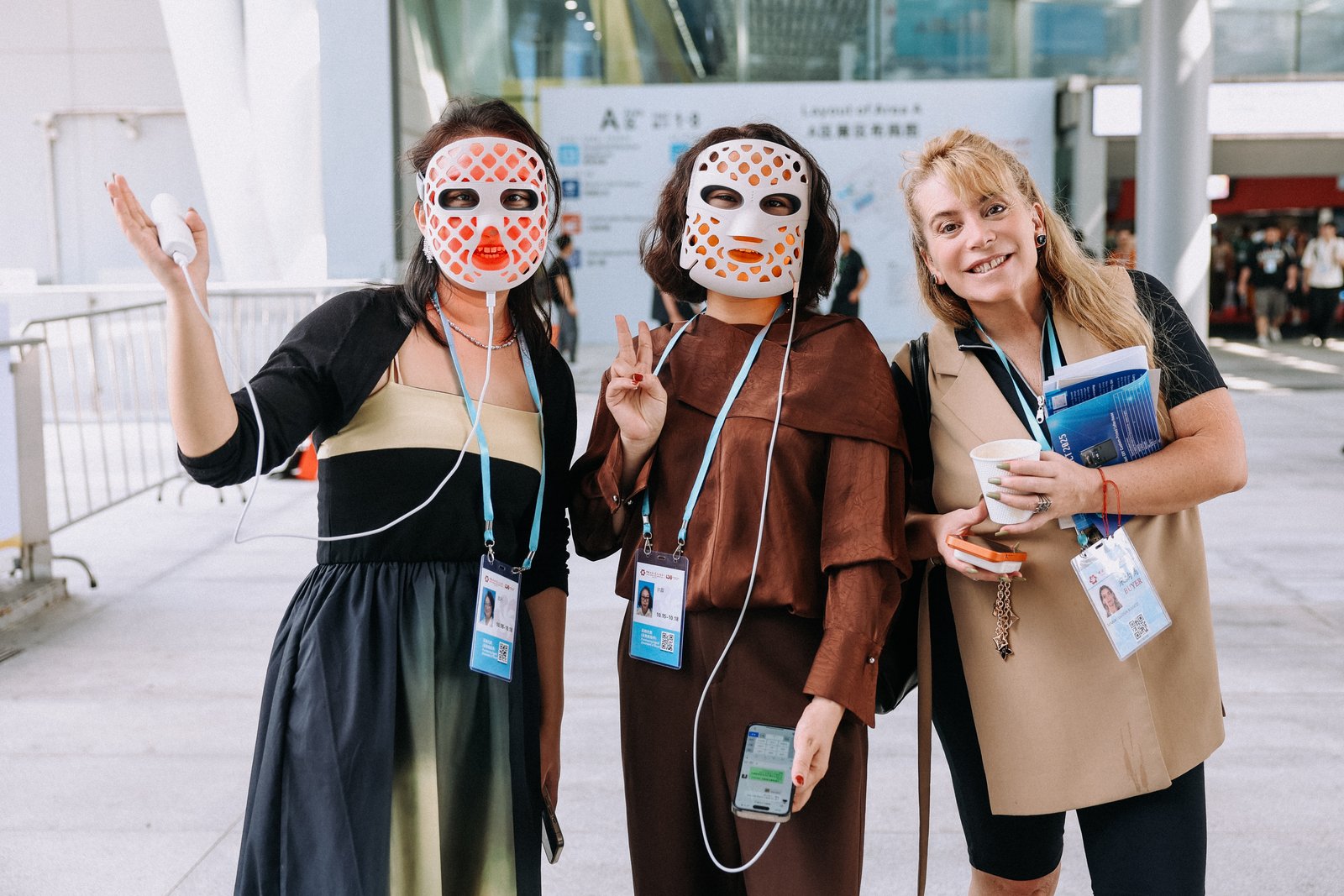
A red light therapy mask is a wearable device that fits over the face (and sometimes neck), using arrays of LEDs to bathe the skin in targeted wavelengths, usually 630–660 nm red and optional blue or near‑infrared. [foreo]
Because the mask sits at a fixed, minimal distance from the skin, users receive a consistent irradiance (light power per area), reducing guesswork and making home routines easier to follow and repeat. [skintrusted]
- Hands‑free use that fits naturally into evening or self‑care routines. [foreo]
- Uniform facial coverage, supporting fine lines, wrinkles, acne and skin tone in a single session. [ulike]
- Predictable treatment distance, ideal for non‑expert home users and first‑time light therapy customers. [skintrusted]
- Compact form factor, easy to store, ship, and use in travel‑friendly wellness kits. [foreo]
From a personal perspective, many users report that a well‑designed mask feels like a guided protocol: wear for 10–20 minutes, a few times weekly, and let the device handle light positioning and timing. [ulike]
Despite these advantages, masks are not a full-body solution:
- Limited coverage, mainly face and partial neck; they can't address back pain, leg recovery or whole‑body inflammation. [joovv]
- Lower total output compared with large panels, which may reduce penetration for musculoskeletal or deep-tissue goals. [skintrusted]
- Less versatility, especially for brands targeting performance recovery, sports medicine, or systemic wellness protocols. [joovv]
For beauty‑focused brands and esthetic clinics, masks can be an excellent entry-level product. For biohacking and performance wellness ecosystems, they are often only one piece of a broader device portfolio. [joovv]
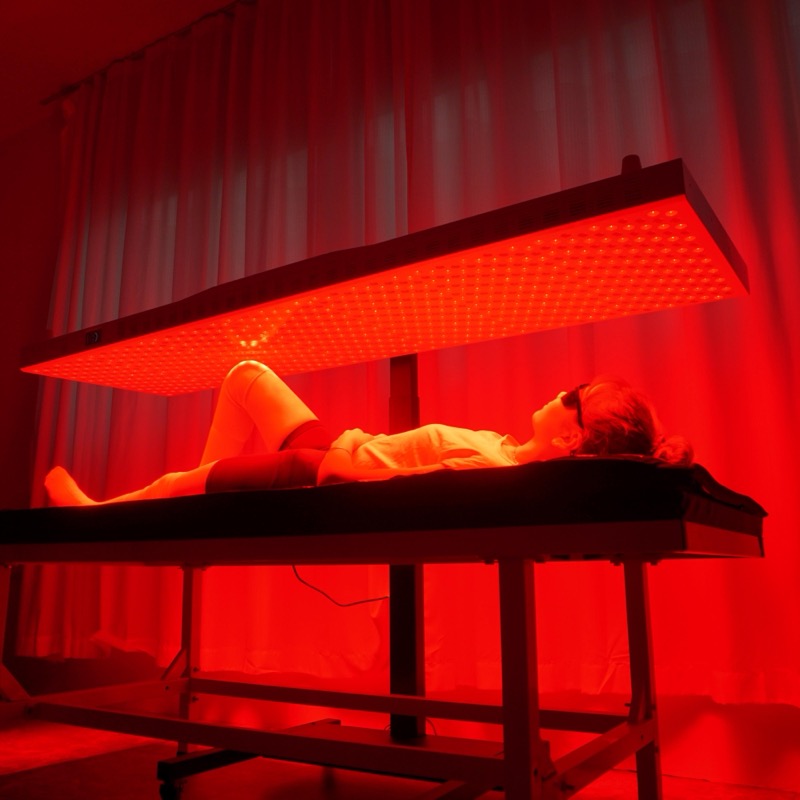
Red light therapy panels are stationary devices with dense LED arrays, ranging from compact units to large, full‑body walls or beds. They typically combine red (around 660 nm) and near‑infrared (around 850 nm) wavelengths for both surface and deeper tissue effects. [foreo]
Panels deliver high irradiance across a larger area, but their effectiveness depends strongly on user distance and positioning, which must follow manufacturer recommendations to avoid under‑dosing. [skintrusted]
- Full‑body versatility: face, joints, muscles, scalp, and broad coverage for systemic wellness routines. [joovv]
- Higher power potential, allowing deeper penetration for recovery, pain support and performance biohacking. [foreo]
- Scalable treatment setups, from single panels in home gyms to multi‑panel arrays in clinics, spas, and professional studios. [skintrusted]
- Long‑term value for brands and users who want one device platform to address multiple applications. [foreo]
In practice, experienced biohackers and athletes often gravitate toward panels because they enable structured protocols: timed sessions, specific distances and repeatable positioning for reproducible outcomes. [joovv]
Panels demand more planning and space:
- User education is essential; incorrect distance significantly lowers effective dose. [skintrusted]
- Higher upfront cost, especially for large or full‑body units. [foreo]
- Less portable, making them better suited for permanent installations than casual travel. [skintrusted]
For wellness centers and serious biohacking brands, these trade‑offs are often acceptable, provided the manufacturer supplies robust instructions, validated specifications and after‑sales technical support. [therapy-light]
To help brands and practitioners quickly assess red light therapy masks vs panels, the table below summarizes core differences:
| Aspect | Red Light Therapy Mask | Red Light Therapy Panel |
|---|---|---|
| Coverage | Face and sometimes neck only (skintrusted) | Local to full-body, depending on size (skintrusted) |
| Irradiance & power | Consistent at close range, lower total output (skintrusted) | High potential power, distance‑dependent (skintrusted) |
| Primary use case | Skincare, anti‑aging, acne, tone (skintrusted) | Skin, pain, recovery, performance, systemic wellness (skintrusted) |
| Ease of use | Very simple, hands‑free, "set and forget" (skintrusted) | Requires correct positioning and protocol (skintrusted) |
| Space & portability | Compact, travel‑friendly (skintrusted) | Needs dedicated space, not travel‑friendly (skintrusted) |
| Investment level | Lower price point for quality consumer devices (skintrusted) | Higher upfront cost, stronger long‑term value (skintrusted) |
From a manufacturing and OEM/ODM standpoint, choosing between masks and panels is ultimately about aligning device architecture to your brand's core promise. [therapy-light]
- Beauty and facial aesthetics as the primary value proposition. [ulike]
- New light therapy users who need simple, guided routines with minimal learning curve. [foreo]
- Retail and e‑commerce channels where compact packaging, lower ticket prices and visual appeal drive conversions. [today]
- Performance recovery, chronic pain support, systemic wellness or biohacking. [joovv]
- Clinics, gyms, spas and studios where professional protocols and multi‑user throughput matter. [joovv]
- Building a device ecosystem with accessories, stands and modular configurations for different body areas. [therapy-light]
Many successful brands adopt a hybrid strategy: panels anchor high‑value services or membership programs, while masks serve as approachable at‑home devices, upsells or introductory products in their funnel. [today]
Recent consumer and professional trends reveal three notable shifts in red light therapy masks vs panels adoption: [today]
1. Home skincare users favor masks for their simplicity, aesthetics and social media‑friendly form factor, especially among beauty‑first demographics. [today]
2. Biohackers and serious wellness enthusiasts increasingly adopt panels, seeking deeper tissue benefits and whole‑body protocols that integrate with fitness and recovery routines. [skintrusted]
3. Clinics and spas diversify by offering both: quick mask facials as accessible treatments, and longer panel sessions as premium services or add‑ons. [today]
For OEM/ODM brands, these patterns suggest strong demand for tiered product lines, where masks, panels and accessories are designed to work together under a unified brand and scientific story. [therapy-light]
When advising partners on device selection, I recommend a simple three‑step framework that combines clinical goals, user experience, and business model. [joovv]
1. Define Primary Outcomes
- If your top promise is visible facial rejuvenation and at‑home convenience, prioritize masks. [ulike]
- If your promise includes pain support, recovery, and overall wellness, panels should form your core device investment. [skintrusted]
2. Map User Journey and Environment
- Home, travel and casual routines favor wearable, compact masks. [today]
- Professional, scheduled sessions in fixed locations favor panels with documented protocols and accessories. [therapy-light]
3. Align Budget and Positioning
- Entry‑level consumer price points often start with masks and smaller panels. [today]
- Premium wellness memberships and clinical programs can support full‑body panels and multi‑device setups. [foreo]
This structured approach helps teams avoid purely trend‑driven decisions and instead select devices that genuinely fit their audience, brand and operational realities. [joovv]
As a China‑based red light therapy device R&D and manufacturing partner, EZ‑Therapylight focuses on providing brands, wholesalers and producers with customized masks and panels that match their positioning and technical requirements. [therapy-light]
From an OEM/ODM standpoint, the crucial success factors include:
- Precise wavelength and irradiance control, ensuring real therapeutic dosing rather than purely cosmetic lighting. [therapy-light]
- Consistent quality and safety testing, aligned with global expectations for wellness and medical‑adjacent devices. [therapy-light]
- Scalable customization, from logo and color branding to protocol presets, mounting systems and accessory ecosystems. [therapy-light]
Because EZ‑Therapylight offers both LED facial masks and multiple panel series (ML, A, S, COB, full-body), brands can co‑create portfolios that serve entry‑level consumers and high‑end professional environments under one manufacturing roof. [therapy-light]
To translate this analysis into concrete decisions, here are practical steps brands and clinics can take:
- Audit your current customer base and map their primary goals: beauty first, wellness first, or hybrid. [today]
- Decide on your hero outcome (e.g., "visible facial rejuvenation in 8 weeks" vs "full‑body recovery protocol") and choose the device type that best delivers it. [skintrusted]
- Collaborate with an experienced OEM/ODM partner to validate wavelengths, irradiance, materials and safety certifications for your target markets. [therapy-light]
- Design educational content and protocols so users understand how to position, time, and integrate treatments into their routines. [foreo]
- Plan a long‑term roadmap where masks and panels complement each other, supporting upsells, cross‑selling, and multi‑tier service offerings. [today]
If your brand is ready to build a differentiated light therapy portfolio backed by manufacturing expertise, partnering with a specialist like EZ‑Therapylight can significantly reduce development risk and time to market. [therapy-light]

1. Are red light therapy masks as effective as panels for anti‑aging?
For facial anti‑aging alone, a well‑engineered mask at a fixed close distance can be highly effective and comparable to using a panel solely on the face, because the dose is consistent and targeted. [ulike]
2. Can one device cover both beauty and deeper recovery needs?
Panels are more versatile for combining skin benefits with muscle, joint and systemic wellness effects, while masks are specialized for facial skincare; many brands choose to offer both rather than relying on a single device. [joovv]
3. How important is wavelength selection between masks and panels?
Both devices should use evidence‑informed red and near‑infrared ranges (for example around 630–660 nm and 810–850 nm), but panels often emphasize deeper tissue penetration while masks focus on epidermal and dermal layers. [ulike]
4. What is the biggest mistake users make with panels?
The most common error is standing or sitting too far from the panel, which drastically reduces effective irradiance and leads to weaker results despite strong hardware specifications. [foreo]
5. Why do brands work with OEM/ODM manufacturers instead of white‑labeling generic devices?
Experienced OEM/ODM partners help align device design with brand strategy, validate specifications, ensure quality, and support regulatory and certification processes, which is crucial for long‑term trust and differentiation in the wellness and biohacking markets. [therapy-light]
1. Joovv. *Red Light Therapy Masks vs. Panels.* Accessed 2026. [https://joovv.com/blogs/joovv-blog/red-light-therapy-masks-vs-panels] [joovv]
2. SkinTrusted. *Red Light Mask or Panel? How to Choose the Best Light Therapy Device for You.* Accessed 2026. [https://skintrusted.com/blogs/news/red-light-mask-or-panel-how-to-choose-the-best-light-therapy-device-for-you] [skintrusted]
3. FOREO. *Red Light Panel vs Mask: Effectiveness, Advantages & Limitations.* Accessed 2026. [https://www.foreo.com/mysa/red-light-panel-vs-mask-rtl] [foreo]
4. Ulike. *What Does a Red Light Therapy Mask Do? (Benefits and Uses).* Accessed 2026. [https://www.ulike.com/blogs/led-light-mask/what-does-a-red-light-therapy-mask-do-benefits-and-uses] [ulike]
5. EZ‑Therapylight. *Red Light Therapy Manufacturers – Products and OEM/ODM Services.* Accessed 2026. [https://www.therapy-light.com/products.html] [therapy-light]
6. EZ‑Therapylight. *Red Light Therapy Manufacturers.* Accessed 2026. [https://www.therapy-light.com/red-light-therapy-manufacturers.html] [therapy-light]
7. Today.com. *Red Light Devices Compared: Should You Buy a Mask or a Panel?* Accessed 2026. [https://www.today.com/shop/red-light-therapy-mask-vs-panel-rcna343126] [today]


