
- All
- Product Name
- Product Keyword
- Product Model
- Product Summary
- Product Description
- Multi Field Search

Views: 262 Author: EZ-Therapylight Publish Time: 2026-07-05 Origin: Site


Content Menu
● Introduction: Why detox symptoms matter for light therapy users
● Red light therapy and detox – what's really happening in the body?
>> Detox basics – your liver and lymph, not magic cleanses
>> How red and near‑infrared light interact with cells
>> Red light therapy vs infrared sauna – two different "detox" tools
● Common red light therapy detox symptoms
>> What users most often report in the first weeks
>> Normal responses vs red‑flag symptoms
● How to manage detox symptoms safely and effectively
>> Evidence‑informed session design (duration, frequency, intensity)
>> Pre‑session preparation to reduce discomfort
>> Post‑session care during the 72‑hour "processing window"
>> Simple protocol for managing mild detox symptoms
● Why high‑quality devices and OEM/ODM partners matter
>> Device quality, wavelength control and user trust
>> How EZ‑Therapylight supports wellness and biohacking brands
● Practical CTA – from detox questions to safe, optimized usage
● FAQs: Red light therapy and detox symptoms
For many wellness and biohacking enthusiasts, red light therapy feels like a gentle, non‑invasive way to support energy, skin, recovery and overall health. Yet it's common for new users to report "detox symptoms" such as headaches, fatigue, skin changes or digestive shifts once they start consistent sessions. As a manufacturer and OEM/ODM partner, EZ‑Therapylight sees these reactions not as a reason to stop, but as a chance to educate, reassure and optimize protocols for brands and clinics worldwide. [pmc.ncbi.nlm.nih]
In this guide, I'll combine a practitioner‑level explanation of detox physiology with practical red light therapy usage advice and real‑world user feedback, so you can better support customers, reduce anxiety around "side effects," and design safer, more effective protocols and products.

When users talk about "detox," they're usually referring to the body's ability to handle everyday toxins: internal waste products (endotoxins) like lactic acid and urea, and external exposures (exotoxins) such as pollutants, microbes or certain chemicals. The central player here is the liver, which filters blood, processes drugs and harmful compounds, and helps move waste out through urine and feces. [pmc.ncbi.nlm.nih]
Instead of one‑off cleanses, most clinicians emphasize sustainable habits that support liver and immune function:
- Limiting excessive alcohol intake. [pmc.ncbi.nlm.nih]
- Maintaining a healthy body weight. [pmc.ncbi.nlm.nih]
- Avoiding unnecessary medications and unverified supplements. [pmc.ncbi.nlm.nih]
- Prioritizing sleep, movement, and balanced nutrition. [atlasrising]
From an expert perspective, red light therapy doesn't replace these foundations; it can complement them by improving cellular energy and circulation, which indirectly supports detox pathways. [bestqool]
Most red light therapy panels and professional devices operate in the red (≈620–700 nm) and near‑infrared (≈800–900 nm) range. These wavelengths penetrate skin to varying depths and influence mitochondrial function—the cell's energy "engine." [mericanholding]
At a cellular level, light is absorbed by chromophores such as cytochrome c oxidase in the mitochondria, which can:
- Increase ATP production, improving cellular energy and resilience. [pmc.ncbi.nlm.nih]
- Modulate oxidative stress and inflammatory signaling. [bestqool]
- Enhance microcirculation and lymphatic flow in targeted tissues. [hue-light]
For users, the practical takeaway is simple: better cellular energy and fluid movement can unmask underlying issues, shift how the body handles stored waste, and occasionally trigger short‑term detox‑like responses.
A common point of confusion is whether red light therapy "detoxes you" the same way as an infrared sauna. In reality, these are distinct modalities:
| Aspect | Red light therapy panels | Infrared sauna |
|---|---|---|
| Primary wavelengths | 620–700 nm red, 800–900 nm NIR (pmc.ncbi.nlm.nih) | Mid/ far infrared heat (atlasrising) |
| Main mechanism | Photobiomodulation, mitochondrial modulation (pmc.ncbi.nlm.nih) | Thermal stress, sweating, cardiovascular load (atlasrising) |
| Detox relevance | Supports circulation and lymphatic drainage; indirect detox support (bestqool) | Promotes sweating and perceived cleansing; toxins mainly leave via liver/kidneys, not sweat (pmc.ncbi.nlm.nih) |
| Typical sensations | Gentle warmth, mild stimulation | Intense heat, profuse sweating, potential fatigue (atlasrising) |
Infrared saunas can be a helpful adjunct for some clients, but they don't deliver the same targeted photobiomodulation profile as dedicated red/NIR devices, and they shouldn't be marketed as identical "detox" tools. [atlasrising]
Based on published guides, clinical protocols and customer comments, new red light therapy users sometimes report short‑term detox‑like symptoms, especially when starting higher‑intensity protocols or combining light with other lifestyle changes. [rouge]
The most frequently mentioned experiences include:
- Mild headaches or "foggy" feeling after early sessions. [auralighttherapy]
- Transient fatigue or a need for extra rest. [atlasrising]
- Digestive changes, such as altered bowel frequency or stool appearance. [bestqool]
- Skin reactions like temporary redness, dryness or more visible breakouts as circulation and skin turnover increase. [my.clevelandclinic]
- Shifts in body weight or water retention, especially when combined with body‑contouring or lymph‑focused protocols. [atlasrising]
From a practitioner standpoint, these reactions are usually self‑limiting and reflect the body adjusting to altered circulation, lymph flow and metabolic activity—not toxicity in the device itself. [bestqool]
Users often ask, "How do I know if this is a normal detox reaction or something I should worry about?" A practical rule of thumb for brands and clinics:
Generally acceptable, watch‑and‑wait responses (common in early sessions):
- Light headache or pressure that resolves within 24–48 hours. [atlasrising]
- Mild fatigue, temporary mood shifts. [atlasrising]
- Brief digestive changes without severe pain. [bestqool]
- Mild, localized skin flushing or dryness. [rouge]
Red‑flag reactions that warrant stopping treatment and seeking medical advice:
- Intense, ongoing headaches or visual changes. [my.clevelandclinic]
- Chest pain, shortness of breath, palpitations. [my.clevelandclinic]
- Severe abdominal pain, persistent vomiting or diarrhea. [auralighttherapy]
- Worsening rash, blistering, or signs of infection on treated skin. [my.clevelandclinic]
Clinics and brand partners should communicate clearly that red light therapy is not a substitute for medical care, and unexpected, severe reactions need prompt professional evaluation. [my.clevelandclinic]
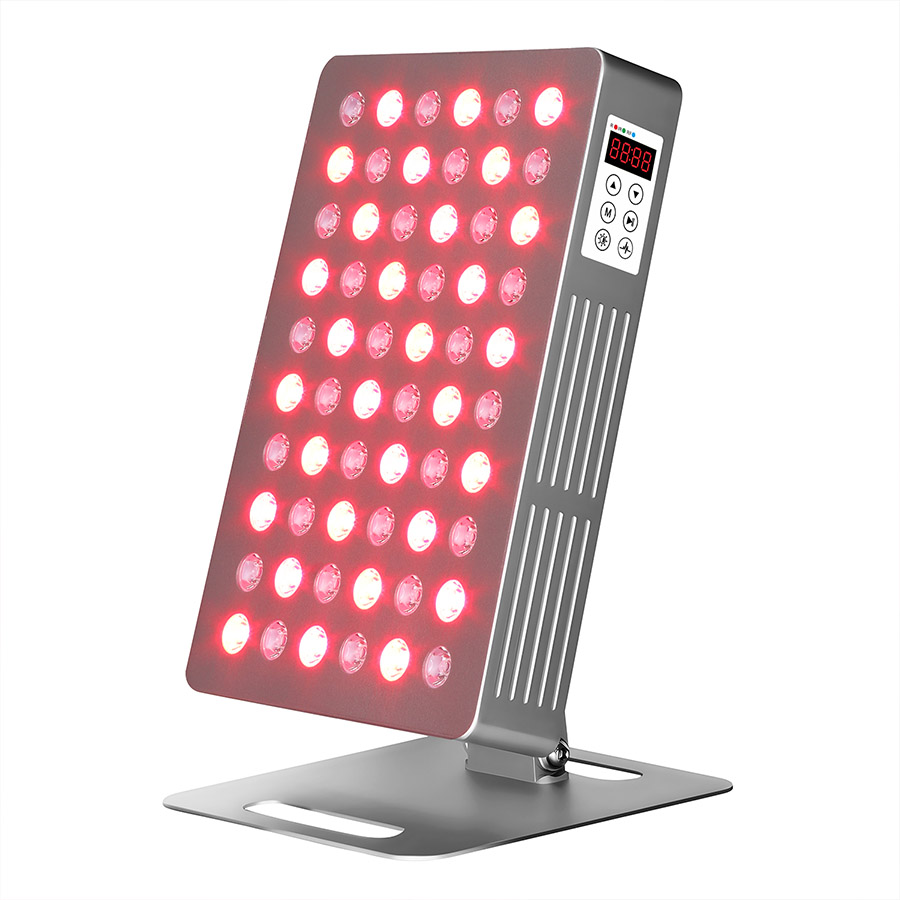
Most wellness studios and device manufacturers recommend starting with short, consistent sessions and gradually building up based on tolerance. [mericanholding]
A practical starting framework:
- Session duration:
- Begin with 5–10 minutes per area, then progress to 10–20 minutes. [mericanholding]
- Frequency:
- General wellness: 2–3 times per week. [mericanholding]
- Muscle recovery or chronic pain: up to daily initially, then taper to 3×/week once stable. [mericanholding]
- Skin/anti‑aging: 3–5 times per week for best results. [mericanholding]
- Distance and positioning:
- Keep treatment areas 6–12 inches from panels or follow device‑specific guidelines. [mericanholding]
- Rotate between front, back, and sides for more even full‑body coverage. [mericanholding]
For users prone to detox symptoms, "low and slow"—shorter sessions, every other day frequency, and careful monitoring—often yields better long‑term adherence and outcomes. [atlasrising]
What you do before each session strongly influences how the body responds. Clinics and brands can standardize simple pre‑session checklists for their customers. [atlasrising]
Key steps:
1. Keep skin clean and product‑free
Remove heavy lotions, oils, and makeup on treatment areas so light can penetrate efficiently and reduce the risk of irritation. [mericanholding]
2. Plan for direct skin exposure
Wear clothing that's easy to adjust or change; bare skin improves light delivery and results. [atlasrising]
3. Time meals wisely
For many users, leaving about a two‑hour window before sessions improves fat mobilization and liver processing, especially with body‑contouring or weight‑management protocols. [atlasrising]
4. Hydrate early
Start the day with water and continue sipping; good hydration supports lymphatic flow and helps the body process released waste more smoothly. [bestqool]
By framing these steps as part of a professional protocol, you empower users to feel in control rather than anxious about potential detox reactions.
After a higher‑intensity session, the lymphatic system and metabolic pathways continue working for up to three days, and simple supports can significantly influence how users feel. [bestqool]
Recommended strategies:
- Light movement:
15–20 minutes of brisk walking or gentle rebounding the same day to nudge lymph flow and circulation. [atlasrising]
- At‑home supports:
Dry brushing toward the heart before showers, or gentle massage on treated areas, can help stubborn fluid retention. [bestqool]
- Hydration and electrolytes:
Aim for a robust but realistic water intake and add clean electrolytes if users sweat more (with saunas or workouts). [bestqool]
- Balanced nutrition:
Temporarily moderating dietary fats and emphasizing protein, colorful produce, and fiber can ease liver load and support elimination. [bestqool]
Clinics often provide a printed or digital checklist for the first 72 hours, turning a vague "detox phase" into specific, manageable actions.
For brands and practitioners, here's a concise, user‑friendly plan you can adapt for onboarding materials:
1. Notice the symptom
Headache, fatigue or mild digestive changes in the first 24–72 hours are common for some individuals. [bestqool]
2. Reduce intensity
Cut session time by 30–50% and consider shifting from daily to every other day until symptoms subside. [mericanholding]
3. Increase supportive habits
Focus on hydration, light movement and sleep rather than stacking multiple new therapies at once. [bestqool]
4. Track progress
Encourage users to take brief notes on symptoms, session settings and lifestyle factors. This helps practitioners personalize protocols. [atlasrising]
5. Seek professional help if symptoms escalate
Stress clearly that severe or persistent symptoms require medical evaluation and stopping sessions for safety. [auralighttherapy]
From a manufacturing standpoint, detox‑related discussions are also an opportunity to highlight device quality:
- Consistent multi‑wavelength output across red and near‑infrared bands avoids "hot spots" and uneven exposure. [pmc.ncbi.nlm.nih]
- Appropriate power density and panel layout help users achieve therapeutic doses without pushing intensity into uncomfortable ranges. [pmc.ncbi.nlm.nih]
- Robust thermal management and safety features (timers, clear distance guidelines) reduce the risk of overuse and skin irritation. [my.clevelandclinic]
When brands choose established OEM/ODM partners, they gain not only hardware but protocol design, educational support and regulatory awareness, all of which directly impact how detox symptoms are perceived and managed by end users. [linkedin]
As a specialized Chinese red light therapy device R&D and manufacturing partner, EZ‑Therapylight focuses on empowering global light therapy, wellness, health and biohacking brands, wholesalers and producers with:
- One‑stop OEM/ODM services for panels, facial masks, belts, sauna blankets and more. [facebook]
- Project experience across clinics, spas, salons and fitness centers, enabling realistic protocol and UX guidance embedded in product documentation. [linkedin]
- Flexible customization options (wavelength combinations, form factors, branding) to match each partner's audience—from biohackers to mainstream wellness users. [facebook]
For partners, this means you can design devices and onboarding content that anticipate and address detox concerns up front, strengthening trust and retention.
If your brand, clinic or wellness project is exploring red light therapy while fielding frequent questions about detox symptoms, you don't have to navigate this alone. With the right combination of evidence‑informed protocols, user‑centric education and carefully engineered devices, you can transform "I feel weird after my session" into "I understand what my body is doing and how to support it."
For teams designing or scaling light therapy offerings, consider partnering with a dedicated OEM/ODM manufacturer like EZ‑Therapylight to co‑create devices and guidance that:
- Respect physiological realities of detox and cellular health. [pmc.ncbi.nlm.nih]
- Integrate clear, empathetic UX messaging around normal vs concerning symptoms. [auralighttherapy]
- Align with modern safety, regulatory and E‑E‑A‑T expectations in digital health content. [my.clevelandclinic]
The next step is simple: review your current user journeys and ask where detox confusion could be replaced with structured, reassuring guidance—then build that into your products and content from day one.

Q1: Does red light therapy directly detox my body?
Red light therapy doesn't "flush toxins out" on its own; it supports mitochondrial function, circulation and lymphatic activity, which can indirectly help your body's existing detox pathways work more efficiently. [hue-light]
Q2: How long do detox‑like symptoms usually last?
For most users, mild symptoms such as fatigue, headache or digestive changes resolve within a few days as the body adapts, especially when session intensity is adjusted and hydration and movement are prioritized. [atlasrising]
Q3: Can red light therapy replace detox diets or cleanses?
No. Red light therapy should be viewed as a supportive wellness tool, not a replacement for evidence‑based medical care, liver‑friendly lifestyle habits, or individualized nutrition plans. [my.clevelandclinic]
Q4: Is it safe to combine red light therapy with infrared sauna or other detox methods?
Many people safely combine modalities, but stacking multiple intense therapies can increase fatigue or discomfort; it's best to start with one, add others gradually, and consult a qualified health professional if you have underlying conditions. [auralighttherapy]
Q5: What should I tell clients who feel unwell after a session?
Encourage them to reduce session length or frequency, increase supportive habits (water, gentle movement, rest), track symptoms, and seek medical advice if reactions are severe or persistent; always prioritize safety over pushing through discomfort. [auralighttherapy]
1. Mito Red Light. "Red Light Therapy for Detox: Benefits and Symptoms."
[https://mitoredlight.com/blogs/mito-red-blog/red-light-therapy-detox-symptoms]
2. Therapeutic Potential of Infrared and Related Light Therapies in Medicine.
[https://pmc.ncbi.nlm.nih.gov/articles/PMC12154360/]
3. Rouge Care. "How Red Light Therapy Can Support Detoxification."
4. Bestqool. "Red Light Therapy for Detoxification: Reducing Toxins and Improving Overall Health."
5. HUE Light. "Red Light Therapy for Detox: Can Light Help Your Body Cleanse?"
[https://hue-light.com/blog/red-light-therapy-for-detox/]
6. Merican Holding. "How to Use Whole‑Body Red Light Therapy?"
[https://www.mericanholding.com/news/how-to-use-whole-body-red-light-therapy/]
7. Cleveland Clinic. "Red Light Therapy: Benefits, Side Effects & Uses."
[https://my.clevelandclinic.org/health/articles/22114-red-light-therapy]
8. Atlas Rising. "Red Light Therapy: How To Prep And What To Do After Your Session."
[https://www.atlasrising.com/post/red-light-therapy-how-to-prep-and-what-to-do-after-your-session]
9. Auralight Therapy / Viridian Wellness Studio. "Post Treatment Tips for Red Light Therapy."
[https://www.auralighttherapy.com/rlt-for-better-health/post-treatment-tips-for-red-light-therapy]
10. EZ‑Therapylight – Company and OEM/ODM Service Information.


