
- All
- Product Name
- Product Keyword
- Product Model
- Product Summary
- Product Description
- Multi Field Search

Views: 222 Author: Becky Publish Time: 2025-01-04 Origin: Site


Content Menu
● 1. Understanding Red Light Therapy
>> Benefits of Red Light Therapy
● 2. Types of Red Light Therapy Devices
● 3. Key Differences Between Devices
● 4. Choosing the Right Device
● 5. Home vs. Clinic Treatments
● 6. Innovations in Red Light Therapy
>> Advanced Light Delivery Systems
>> Integration with Smart Technology
● 8. Emerging Research on Red Light Therapy
>> Pain Management and Inflammation
● 9. The Future Landscape of Red Light Therapy
>> Personalized Treatment Protocols
>> Integration with Other Therapies
● 10. Detailed Mechanisms of Action
● 13. Considerations Before Purchase
● 14. Frequently Asked Questions
>> 1. What conditions can red light therapy treat?
>> 2. How often should I use red light therapy?
>> 3. Can I use red light therapy if I have sensitive skin?
>> 4. Is there any downtime after treatment?
>> 5. Are there any contraindications for using red light therapy?
Red light therapy (RLT) has gained immense popularity as a non-invasive treatment option for various health and cosmetic concerns. As more people seek these therapies, the market has flooded with numerous devices, each claiming unique benefits. This article explores the differences between red light therapy devices, helping you make an informed choice.

Red light therapy utilizes specific wavelengths of light to promote healing and rejuvenation. The primary wavelengths used in RLT are typically between 600 to 1000 nanometers (nm), with red light (around 600-650 nm) and near-infrared light (around 800-900 nm) being the most common.
- Cellular Repair: Enhances mitochondrial function, leading to increased ATP production.
- Pain Relief: Reduces inflammation and promotes circulation.
- Skin Health: Improves skin texture, reduces wrinkles, and aids in wound healing.
- Muscle Recovery: Speeds up recovery from exercise-induced muscle damage.
When considering RLT, it's essential to understand the different types of devices available:
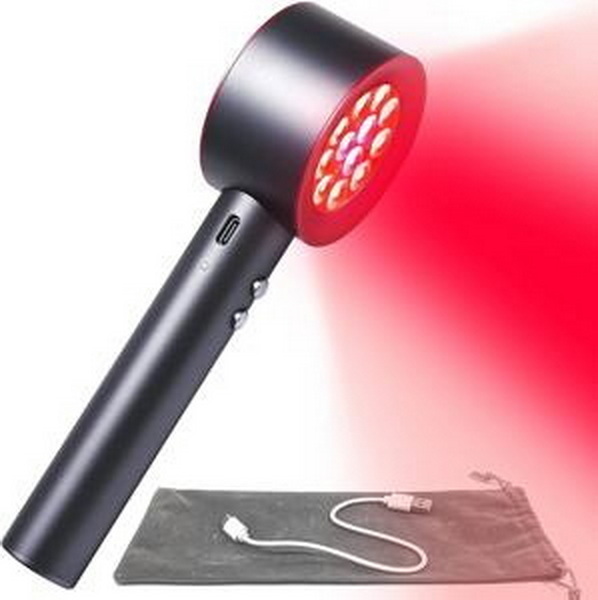
- Handheld Devices: Portable units designed for targeted treatment on specific body areas.
- Face Masks: These cover the entire face to treat skin issues like acne or aging.
- Panels: Larger devices that can treat broader areas of the body, suitable for home use or clinics.
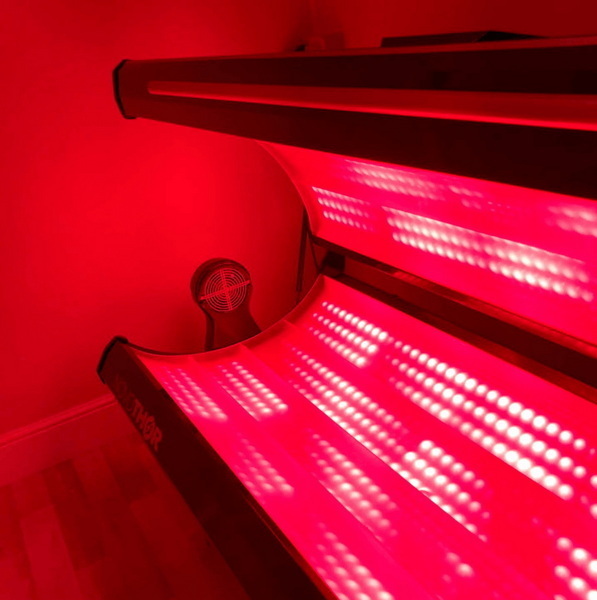
- Full-body Beds: Resembling tanning beds, these provide comprehensive exposure to red light for systemic benefits.
The effectiveness of red light therapy can vary significantly based on the device type and its specifications. Here are some critical factors to consider:
Different devices may emit varying wavelengths, affecting their penetration depth and therapeutic effects.
| Device Type | Wavelengths Emitted | Penetration Depth |
|---|---|---|
| Handheld Devices | Typically 600-650 nm | Shallow (skin surface) |
| Face Masks | 600-650 nm | Shallow |
| Panels | 600-850 nm | Moderate |
| Full-body Beds | 600-940 nm | Deep |
The intensity of light emitted by a device is crucial for its effectiveness. Higher intensity devices can deliver more energy in less time, leading to better results.
Larger devices can treat more extensive areas simultaneously, making them ideal for full-body treatments or multiple users.
When selecting a red light therapy device, consider the following:
- Purpose: Identify your primary reason for using RLT—whether for skin health, pain relief, or muscle recovery.
- Specifications: Look for devices that specify their wavelength range and intensity levels.
- User Reviews: Research user experiences and clinical studies supporting the device's claims.
While at-home devices are convenient, they may not be as powerful as those used in professional settings. Here's a comparison:
| Aspect | Home Devices | Clinic Treatments |
|---|---|---|
| Power | Generally lower intensity | Higher intensity |
| Cost | One-time purchase | Per-session fee |
| Convenience | Easy access | Requires travel |
| Customization | Limited options | Tailored by professionals |
Recent advancements have revolutionized red light therapy, enhancing its efficacy and accessibility:
New technologies are making treatments faster and more efficient. For instance, LED panels and wearable devices are now being designed to provide targeted treatment while reducing session times.
Smart technology is making RLT devices more user-friendly and customizable. Imagine controlling your RLT sessions via a smartphone app, adjusting the intensity, duration, and specific wavelength of light.
Red light therapy is generally considered safe with minimal side effects. Users may experience slight warmth or redness in treated areas, but these effects typically subside quickly. However, it's essential to follow guidelines to avoid potential issues like burns or eye damage from prolonged exposure.
Recent studies have shown promising results regarding RLT's effectiveness in various applications:
Research indicates that red light therapy can significantly improve skin health by promoting collagen production, reducing wrinkles, and enhancing skin tone. A study involving patients with acne vulgaris found significant improvements following RLT sessions.
Chronic pain is a major health concern worldwide. Emerging research indicates that RLT can effectively reduce pain and inflammation in conditions like arthritis and tendonitis. The non-invasive nature of RLT makes it an attractive alternative to traditional pain management methods.
The future of red light therapy looks promising with several developments on the horizon:
Advances in genetic research may soon allow for treatments tailored to individual needs, optimizing therapeutic benefits.
Combining RLT with other treatments could amplify its benefits. For example, integrating RLT with physical therapy or acupuncture might enhance overall treatment efficacy.
Ongoing research is investigating RLT's use in treating conditions like psoriasis, wound healing, and even neurological disorders. As our understanding deepens, we can expect broader applications in medical and wellness fields.
Understanding how red light therapy works at a cellular level can provide insight into its effectiveness:
Red light penetrates the skin layers where it stimulates mitochondria—the powerhouse of cells—to produce more ATP (adenosine triphosphate). This process enhances cellular energy levels which aids in faster healing and regeneration.
Collagen is vital for maintaining skin elasticity and structure. Studies show that RLT increases fibroblast activity—cells responsible for collagen synthesis—leading to improved skin firmness and reduced signs of aging.
Red light therapy has been successfully integrated into various fields beyond aesthetics:
Athletes utilize RLT for recovery from injuries due to its ability to reduce inflammation and expedite healing processes. Many professional sports teams incorporate this technology into their training regimens as part of injury prevention strategies.
RLT is also gaining traction in veterinary medicine where it helps treat wounds and reduce pain in animals post-surgery or injury.
Many users report positive outcomes from their experiences with red light therapy devices:
- Users often note improvements in skin texture after consistent use.
- Pain relief has been reported by individuals suffering from chronic conditions like arthritis or fibromyalgia after regular sessions with RLT devices.
Before investing in an RLT device:
- Ensure that the device offers clinically validated wavelengths (630–670 nm for visible red; 810–850 nm for near-infrared).
- Consider purchasing from reputable brands that provide detailed information about their products' specifications.
With advancements in technology enhancing accessibility and efficacy alongside growing research backing its benefits across various applications—from skincare to pain management—red light therapy stands poised as a versatile tool in modern wellness practices. Understanding the differences between devices will empower consumers to make informed decisions tailored to their specific needs.
Red light therapy is effective for skin conditions like acne and wrinkles, pain relief from inflammation, muscle recovery, and even hair loss.
For optimal results, it is typically recommended to use RLT 2-3 times per week for 20-30 minutes per session.
Yes, RLT is non-invasive and generally safe for all skin types; however, it's advisable to start with shorter sessions to gauge your skin's response.
No downtime is required after RLT; you can resume normal activities immediately after treatment.
While RLT is safe for most people, individuals with certain medical conditions or those using specific medications should consult a healthcare provider before starting treatment.


