
- All
- Product Name
- Product Keyword
- Product Model
- Product Summary
- Product Description
- Multi Field Search

Views: 268 Author: EZ-Therapylight Publish Time: 2026-06-29 Origin: Site


Content Menu
● Understanding Hyperpigmentation
● Why Skin Develops Dark Spots
● Conventional Treatments: Benefits and Limitations
>> Hydroquinone and Other Bleaching Agents
>> Vitamin C and Topical Antioxidants
● How Red Light Therapy Works on Skin
● Red Light Therapy and Hyperpigmentation: What the Evidence Suggests
>> Melasma: Adjunct, Not Stand‑Alone Cure
>> Post‑Inflammatory Hyperpigmentation: Most Promising Use Case
>> Age Spots and Sun Damage: Emerging Evidence
● Safe Protocols: How Often, How Long, How Close?
>> Core Facial Hyperpigmentation Protocol
>> Integrating With Topicals and Professional Care
● Real‑World User Experience: What People Actually Notice
● Expert Perspective: When Red Light Therapy Makes Sense
● Why Brands Partner With EZ‑Therapylight for OEM & ODM Devices
● Practical Tips for Users Considering Red Light Therapy for Hyperpigmentation
● Call to Action: Build Your Next‑Generation Light Therapy Line With EZ‑Therapylight
● Frequently Asked Questions (FAQ)
Red light therapy is an increasingly evidence‑based, non‑invasive option that can support the management of hyperpigmentation, especially post‑inflammatory dark marks and mild melasma, when used consistently at appropriate wavelengths and doses. As a professional Chinese red light therapy device R&D and manufacturing company (EZ‑Therapylight), we help global Light Therapy, Wellness, Health and Biohacking brands build safe, effective, and brand‑ready solutions through OEM and ODM services that align with clinical insights and real user expectations.
Hyperpigmentation refers to areas of skin that appear darker than the surrounding tissue due to excess melanin, the pigment produced by melanocytes. These patches can occur in any skin type, are usually benign, but often cause cosmetic concern and affect self‑confidence.
Common patterns include:
- Age spots (sun spots) caused by chronic UV exposure and overactive melanocytes in sun‑exposed areas like face, hands and shoulders.
- Melasma, a hormone‑related, blotchy facial pigmentation that is often triggered by pregnancy, oral contraceptives and sun exposure.
- Post‑inflammatory hyperpigmentation (PIH), dark marks that appear after acne, eczema, burns or other skin injuries.
Understanding what type of hyperpigmentation you have is the first step to choosing an appropriate treatment plan and setting realistic expectations.
Melanin is produced via melanogenesis, a process that can be either basal (your natural skin tone) or activated by external triggers. In hyperpigmentation, this activated response becomes uneven, creating patchy or clustered dark areas instead of a uniform tan.
Key triggers include:
- Ultraviolet (UV) radiation: UV stimulates melanocytes to produce more melanin, leading to tans, age spots and worsening of melasma and PIH.
- Inflammation and injury: Acne, eczema, psoriasis, insect bites or burns can drive post‑inflammatory hyperpigmentation as the skin repairs itself.
- Hormonal shifts: Estrogen and progesterone changes are closely linked to melasma, especially in darker phototypes.
For practitioners and brands, this means any effective hyperpigmentation strategy must control both melanocyte activity and the inflammatory environment of the skin, not just "whiten" spots on the surface.
Dermatology has long relied on chemical and topical approaches to lighten dark spots, each with specific pros and risks. Many end users already arrive at light therapy devices after trying at least one of these options.
Hydroquinone is a widely used depigmenting ingredient that suppresses melanin production in treated areas. Lower strengths are available over the counter, while higher concentrations require prescription and careful medical supervision.
However, hydroquinone can cause:
- Redness, itching and irritation, which may paradoxically trigger more PIH in sensitive skin.
- Dryness, contact dermatitis and, with prolonged misuse, ochronosis (blue‑black pigmentation that is difficult to reverse).
Because of these risks, many dermatologists now emphasize short, supervised courses, cycling protocols and combination therapies rather than indefinite, high‑strength use.
Chemical peels use acids to remove superficial or deeper layers of skin, allowing newer, less pigmented layers to surface. Medium or deep peels can yield visible improvement but are inherently aggressive interventions.
Reported risks include:
- Redness, swelling and scabbing during the healing phase.
- Scarring, infection and even systemic complications in extreme cases.
- Long‑lasting or permanent color changes, especially in darker phototypes.
Chemical peels are therefore best reserved for carefully selected candidates, with strict photoprotection and follow‑up care.
Topical vitamin C and other antioxidants are popular over‑the‑counter options that can mildly inhibit melanin synthesis and neutralize free radicals. Results tend to be modest and gradual, making them supportive products rather than stand‑alone solutions for entrenched hyperpigmentation.
For many wellness and beauty brands, this is where red light therapy enters the conversation—as a non‑peeling, non‑bleaching modality that targets cellular mechanisms differently.
Red light therapy (RLT), also called photobiomodulation, uses low‑energy red and near‑infrared wavelengths to stimulate cellular processes in skin instead of damaging or peeling it. Unlike UV, these wavelengths do not activate melanocytes to produce more melanin.
Key mechanisms include:
- Mitochondrial activation: Red and near‑infrared light enhance mitochondrial function, increasing ATP and cellular energy.
- Collagen and elastin production: Fibroblasts respond by boosting structural proteins, improving firmness and texture.
- Improved microcirculation and antioxidant capacity, supporting repair and resilience.
- Inflammatory modulation, helping calm processes that drive PIH and some melasma patterns.
Clinical trials in skin rejuvenation show improvements in complexion, roughness, fine lines and overall skin quality after repeated red light exposure. In our own device development at EZ‑Therapylight, we design arrays and dosimetry to maximize these photobiomodulation effects while maintaining safe irradiance levels.
The question most end users ask is simple: "Can red light therapy fade my dark spots?" Current research gives a nuanced but promising answer.
Evidence and expert consensus highlight:
- Visible red light (around 630–670 nm): Penetrates 1–2 mm into skin, reaching epidermis and upper dermis, making it suitable for surface pigmentation and melanocyte activity.
- Near‑infrared light (around 810–850 nm and beyond): Reaches deeper dermal tissue and vasculature, modulating inflammation and supporting dermal remodeling.
Integrative reviews of photobiomodulation for melasma and hyperpigmentation indicate that red, amber and near‑infrared wavelengths at low to moderate energy densities can influence tyrosinase activity, gene expression and melanin distribution. These ranges closely match the wavelength and energy profiles we engineer into EZ‑Therapylight systems for pigmentation‑sensitive protocols.
For melasma, data suggests red light therapy can enhance standard treatments but should not be relied upon alone for moderate or severe cases. Trials using near‑infrared light have shown improvements in melasma severity scores over several weeks, especially when combined with dermatologic care.
Realistic expectations include:
- Gradual tone improvement and better maintenance of dermatologist‑achieved results.
- Potential reduction in the strength or duration of aggressive topical regimens.
For PIH (acne marks, eczema‑related dark spots and similar issues), red light therapy shows particularly promising results when applied early and consistently. LED devices emitting around 630 nm and 850 nm at appropriate intensities have documented brightening, more even tone and reduced pigmentation as secondary outcomes in skin rejuvenation studies.
Key user‑level implications:
- Consistency over weeks is more important than single intense sessions.
- Visible improvements often emerge after 8–12+ weeks, depending on skin type, depth of pigmentation and protocol adherence.
For chronic sun‑induced hyperpigmentation, data is still evolving but encouraging. Pilot work in photoaged skin has indicated measurable reductions in melanin density and improved overall tone after repeated red light exposure, though larger, focused trials are needed.
For age spots, we therefore recommend red light therapy as part of a broader photoprotection and topical routine, rather than a stand‑alone promise.
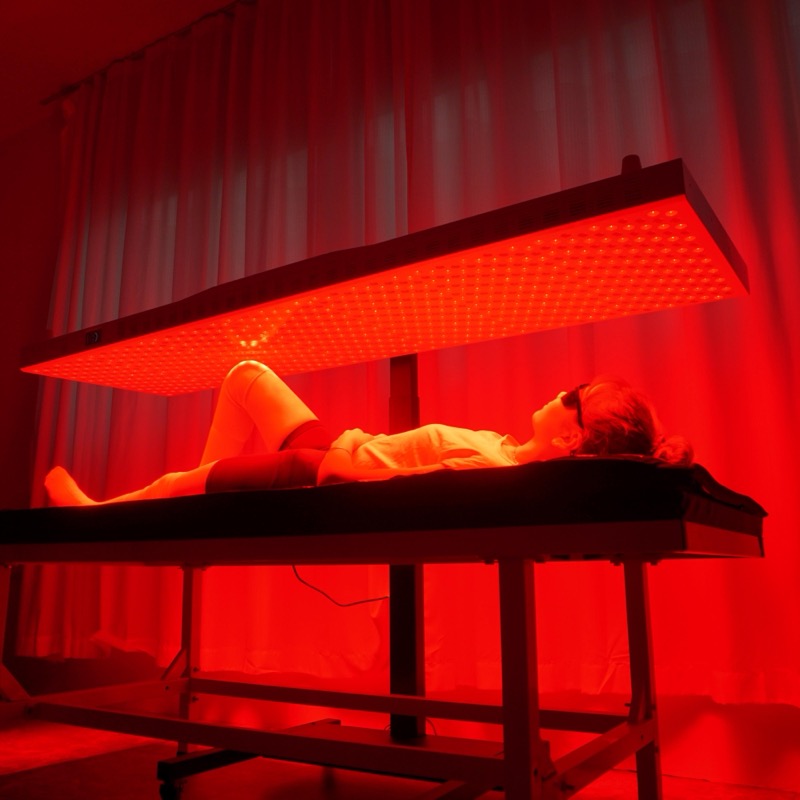
The most common cause of disappointing results is not wavelength—it's protocol design and adherence. Evidence‑based best practices and feedback from advanced users converge on several principles.
For facial PIH or mild melasma using a quality LED panel or mask:
- Session duration: 10–15 minutes per treatment area.
- Frequency: 3–4 sessions per week, sustained over at least 8–12 weeks.
- Distance: Typically 15–30 cm from a high‑irradiance panel; closer for lower‑power masks or handhelds, always following device guidance.
- Phase strategy:
- Weeks 1–4: Induction, up to 4–5 sessions weekly if skin tolerates well.
- Weeks 5–12: Consolidation, 3–4 sessions weekly with strict sun protection.
- Beyond 12 weeks: Maintenance, 1–3 sessions weekly based on response.
Doing significantly more sessions or much longer exposures per area does not linearly increase benefit and may reduce returns due to cellular adaptation. Smart dosing, not maximal dosing, is the goal.
To optimize both outcomes and user experience:
- Pair RLT with broad‑spectrum SPF 30+ and gentle pigment‑modulating serums (e.g., vitamin C, niacinamide) when tolerated.
- For melasma, coordinate usage with a dermatologist so RLT works as an adjunct, not a replacement, for medical protocols.
- Avoid RLT immediately after aggressive procedures (strong peels, fractional treatments) unless cleared by a professional.
At EZ‑Therapylight, we support brand partners in pre‑configuring clinician‑informed presets for pigmentation‑related protocols, reducing user error and supporting consistent dosing.
Across studies and product feedback, users following appropriate red light protocols commonly report:
- Smoother texture and more even tone, with PIH marks appearing lighter and less sharply defined.
- Fewer new dark marks forming after breakouts or irritation, suggesting better inflammatory control.
- Enhanced subjective brightness and "glow", even in cases where pigmentation reduction is gradual.
Users with melasma often describe red light therapy as a maintenance and support tool: it helps them maintain dermatologic results, increases tolerance to brightening actives and fits into a long‑term non‑aggressive strategy.
From a practitioner and device‑manufacturer viewpoint, red light therapy for hyperpigmentation is most appropriate when:
- The objective is gradual, sustainable improvement, not instant peeling or bleaching.
- The user can commit to consistent protocols and daily sun protection.
- There is a preference for non‑invasive, low‑risk options, or a history of sensitivity to harsher agents.
Red light therapy is less suitable as a sole therapy for:
- Deep, long‑standing melasma with significant hormonal and vascular components.
- Severe sun damage where structural changes dominate over pigment alone.
In these situations, RLT should be framed as a supportive modality within a comprehensive dermatologic plan—an approach we encourage in our collaborations with clinics and brands.
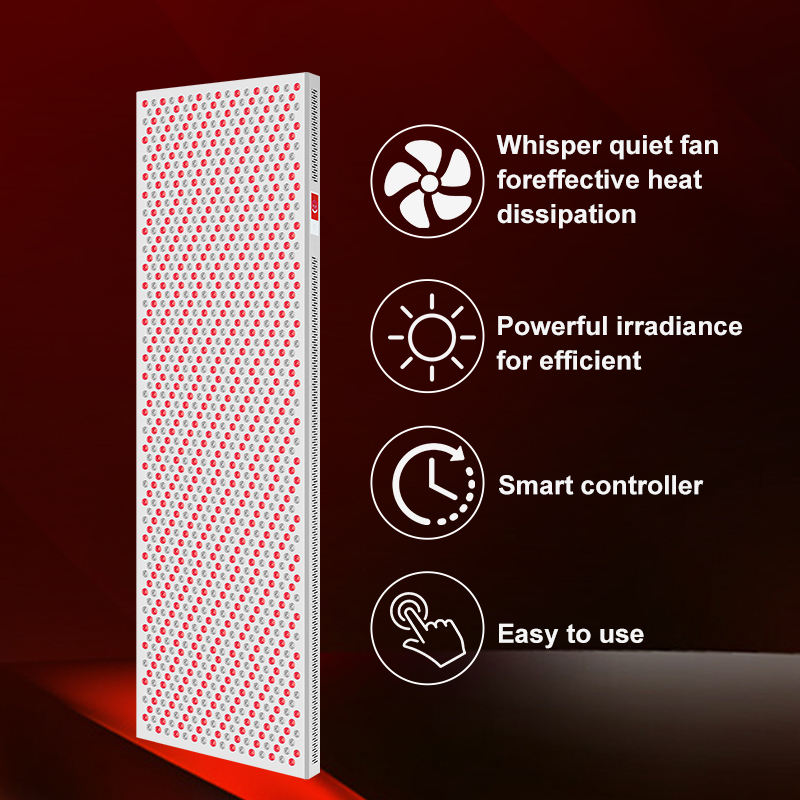
As a professional Chinese red light therapy R&D and manufacturing company, EZ‑Therapylight is dedicated to helping global Light Therapy, Wellness, Health and Biohacking brands bring clinically aligned, user‑centric devices to market.
Key advantages for brand owners, wholesalers and manufacturers include:
- Evidence‑based wavelength design: Red and near‑infrared combinations aligned with current photobiomodulation and hyperpigmentation research.
- Customized irradiance and dosing profiles tailored to facial, body and systemic applications, with protocol guidance balancing efficacy and safety.
- OEM/ODM flexibility: From private‑label panels and masks to fully bespoke systems matching your brand aesthetics, UX and regulatory roadmap.
- Robust quality assurance: Performance validation, documentation and testing that support credible claims in competitive markets.
- Global support and training: Technical and educational resources that help your team guide end users on realistic expectations, safe usage and long‑term maintenance.
By grounding device design in both science and real user journeys, we help partners position their products as reliable, sustainable tools within holistic skin health programs, rather than quick‑fix miracle solutions.
If you're evaluating devices or designing content for your audience, the following practical guidelines are especially useful:
1. Clarify the main concern.
Determine whether the primary issue is acne marks (PIH), melasma, age spots or a combination, as this shapes expectations.
2. Select evidence‑aligned wavelengths.
For facial hyperpigmentation, prioritize devices offering approximately 630–670 nm red plus around 850 nm near‑infrared.
3. Commit to a realistic timeline.
Plan for 8–12 weeks or more of consistent use before judging results, especially for deeper or older pigmentation.
4. Protect with daily sun care.
Use SPF 30+ every day and limit unprotected midday sun exposure; UV counteracts any pigmentation gains.
5. Document progress.
Take standardized photos every 4 weeks under the same lighting; track changes in spot edges, uniformity and new mark formation to avoid relying only on memory.
This structured, evidence‑aware approach mirrors how advanced clinics and high‑end wellness brands build trust and repeat usage—and it's the model we recommend to EZ‑Therapylight partners when designing their educational content and user journeys.
If you're a Light Therapy, Wellness, Health or Biohacking brand, wholesaler or manufacturer looking to create or upgrade your red light therapy portfolio for hyperpigmentation and overall skin health, partnering with EZ‑Therapylight gives you access to:
- Expert‑engineered red and near‑infrared solutions aligned with current photobiomodulation evidence.
- End‑user‑centric protocol guidance and UX consulting to maximize satisfaction and reduce misuse.
- Full‑service OEM and ODM support, from concept and industrial design through testing and scaled production.
Connect with EZ‑Therapylight to co‑develop devices and protocols that deliver realistic, measurable improvements for your customers while strengthening your position in the fast‑growing light therapy market.

We've launched an waterproof (IP65), -40°~90°C heat/low temperature-resistant light therapy panel specifically built to integrate into saunas room, infrared cabins, hot tub, ice baths, steam baths and showers etc. luxtury wellness space— it delivers red/NIR/amber/blue wavelengths that supports skin rejuvenation, circulation and deep muscle relaxation while withstanding high humidity/heat environment.
If you are interesting for the products and want to know how it improve your business, please inquiry us:
Email: ez@therapy-light.com
WhatsApp: +86 151 1311 0489
Q1: Can red light therapy alone remove severe melasma?
A: For moderate to severe melasma, red light therapy is best used as an adjunct to prescription and professional treatments. It can support tone improvement and maintenance but is unlikely to fully clear severe melasma on its own.
Q2: Is red light therapy safe for darker skin tones prone to PIH?
A: Yes, when the device is well‑designed and used according to recommended protocols, red light therapy has a strong safety profile and does not stimulate melanin like UV. It is generally suitable for darker phototypes when combined with good sun protection.
Q3: How long before I see results on hyperpigmentation?
A: Most users and studies report visible changes after 8–12+ weeks of consistent use, with 3–4 sessions per week. Shallower PIH may respond sooner; deeper or long‑standing pigmentation can require longer.
Q4: Can I combine red light therapy with vitamin C or other brightening serums?
A: Yes. Many people pair red light therapy with vitamin C, niacinamide or other brightening serums for synergistic benefits. Introduce actives gradually and monitor for irritation; discontinue products that cause redness or burning.
Q5: Why should brands consider EZ‑Therapylight for OEM/ODM projects?
A: EZ‑Therapylight provides scientifically grounded wavelength design, flexible customization, strict quality control and comprehensive global support, helping Light Therapy, Wellness, Health and Biohacking brands launch competitive, high‑trust devices efficiently.
1. Mito Red Light. "Red Light Therapy for Hyperpigmentation: Can it Help?" https://mitoredlight.com/blogs/mito-red-blog/red-light-therapy-hyperpigmentation
2. Avci et al. "Low‑level laser (light) therapy (LLLT) in skin." Seminars in Cutaneous Medicine and Surgery. https://pmc.ncbi.nlm.nih.gov/articles/PMC4126803/
3. My Exosthetics. "Red Light Therapy for Hyperpigmentation: Can It Fade Dark Spots?" https://myexosthetics.com/blogs/skin-concerns/red-light-therapy-hyperpigmentation
4. Evenskyn. "Targeting Skin Pigmentation with Light: Red Light Therapy for Hyperpigmentation." https://www.evenskyn.com/en-au/blogs/skin-beautyarticles/red-light-therapy-hyperpigmentation
5. European Society of Medicine, research article on visible light and hyperpigmentation. https://esmed.org/MRA/index.php/mra/article/download/1610/1689
6. VitalityRed. "Red Light Therapy Treatment Protocols." https://vitalityred.com/red-light-therapy-treatment-protocols/
7. Youlumi Store. "The Ultimate Guide to Red Light Therapy Protocols (2026)." https://www.youlumistore.com/blogs/red-light-therapy-guide/ultimate-guide-red-light-therapy-protocols
8. Shanglai TeCare. "Red Light Therapy Daily Schedule: Best Practices." https://www.shanglaitecare.com/blog/red-light-therapy-daily-schedule-best-practices
9. Lab Muffin Beauty Science. "Is Red Light Safe for Hyperpigmentation and Melasma?" https://labmuffin.com/is-red-light-safe-for-hyperpigmentation-and-melasma/
10. The Emerging Role of Visible Light in Melanocyte Biology and Skin Photobiology. https://pmc.ncbi.nlm.nih.gov/articles/PMC10707362/


