
- All
- Product Name
- Product Keyword
- Product Model
- Product Summary
- Product Description
- Multi Field Search

Views: 222 Author: EZ-Therapylight Publish Time: 2026-05-19 Origin: Site


A practical, EEAT-friendly home red light therapy space should make it easy to be consistent, safe, and comfortable, while choosing a device and layout that match your wellness goals and your room limitations. Drawing on both industry best practices and hands‑on experience helping clients design red and near‑infrared light setups, this guide walks you through every step, from choosing a location and device to optimizing layout, routine, and expansion over time. [vitamagazine]

A home red light therapy space is a dedicated corner or room where you can use a red or red‑plus‑near‑infrared (NIR) device consistently for skin, recovery, performance, and overall wellness. Instead of treating your device as a gadget you pull out once in a while, you design a small "mini‑studio" that supports regular, distraction‑free sessions. [lumired]
From an industry and practitioner perspective, the most successful home setups have three things in common: [consciousspaces]
- A convenient location you pass every day
- A device matched to your goals, not just your budget
- A layout that makes correct distance, time, and posture almost automatic
This article focuses on exactly how to set that up at home, whether you're using a compact panel, a full‑body system, or planning a custom OEM / ODM solution with a professional manufacturer.
Creating a dedicated red light therapy space is not just about aesthetics; it directly impacts consistency, safety, and results. [vitamagazine]
Key benefits of a dedicated space: [kivawellness.com]
- Higher consistency – When the device is always ready, you're far more likely to maintain 3–5 sessions per week.
- Correct distance and coverage – A pre‑planned layout helps you stay within the recommended 15–30 cm (6–12 inches) range for effective irradiance without constantly adjusting. [lumired]
- Better relaxation and recovery – A calm environment with low distractions turns each session into a short ritual rather than a rushed task. [vitamagazine]
- Safer, more repeatable routine – Eye protection, timers, and cable management are easier to standardize when the setup is fixed. [kivawellness.com]
> From an expert UX standpoint, "ease of use" is not a nice‑to‑have; it's the main predictor of whether you'll still be using your device three months from now.
When selecting a location, think about three pillars: space, comfort, and privacy.
- Space for the device and you
- Tabletop panels are typically around 30–37 cm wide and 23–26 cm tall.
- Mid‑size panels run about 46–61 cm tall and 25–30 cm wide.
- Larger full‑body panels can be 90–110 cm tall or more, with stands adding footprint (about 80 cm by 75 cm plus extra height).
- Ensure you can comfortably stand, sit, or lie 15–60 cm (6–24 in) from the device, depending on manufacturer guidance. [kivawellness.com]
- Comfort and ventilation
- LED red light devices do not overheat rooms, but multi‑panel setups or long sessions can slightly warm the space. [vitamagazine]
- Light airflow from an open door, window, or small fan is usually enough for comfort. [vitamagazine]
- Power and safety
- Home panels can range from about 90–130 W for small tabletop units up to 900–1400 W for large or commercial‑grade panels. [cnet]
- Most home outlets on 15 A circuits safely support around 1800 W, but avoid sharing the circuit with other high‑draw devices like heaters or hair dryers when running large arrays.
A private, quiet spot significantly improves user experience and long‑term adherence. [vitamagazine]
- Use blinds or room dividers if the device is in a shared room.
- Replace harsh overhead lights with soft accent lighting that doesn't compete with the panel's output. [vitamagazine]
- Store your phone away from the direct space or switch to "Do Not Disturb" to remove distractions.
Choosing the right device is a mix of science, goals, and practical constraints. As an industry manufacturer, we see four categories perform best for home setups: panels, mats, pods, and wearables. [consciousspaces]
Device type | Best for | Typical use position | Pros | Considerations |
|---|---|---|---|---|
Panels | Full‑body or large areas | Standing / seated | High irradiance, flexible mounting, scalable arrays | Needs wall/stand space and careful distance control vitamagazine |
Mats | Lying full‑body or back | Lying down | Very relaxing, easy for recovery | Less adjustable distance vs. panels kivawellness.com |
Pods / beds | Immersive full‑body | Lying down | Spa‑like coverage, time‑efficient | Higher cost, dedicated room needed vitamagazine |
Belts / wearables | Targeted joints, waist, back | Standing / moving | Hands‑free, very focused | Not ideal for systemic or full‑body use lumired |
From a technical standpoint, panels remain the most versatile choice for most home users because you can start with one device and later expand to a vertical array as your goals evolve. [fortune]
Modern expert‑grade solutions typically combine red and near‑infrared wavelengths: [consciousspaces]
- Red: around 630–660 nm – supports surface skin, redness, and cosmetic applications. [kivawellness.com]
- Near‑Infrared (NIR): around 810–850 nm – penetrates deeper to muscles and joints, often used for recovery and performance. [consciousspaces]
Look for devices that offer:
- Adequate power density (irradiance) – Many home panels target around 100 mW/cm² or more at recommended distances to keep sessions practical. [cnet]
- Low‑flicker LEDs and low EMF / no unwanted UV output for comfort and safety. [kivawellness.com]
- Built‑in timers and ideally session presets to prevent overuse. [kivawellness.com]
> As a pro manufacturer, we strongly recommend choosing devices that have third‑party testing for output and safety rather than relying only on marketing claims. [thegoodtrade]
Once you have a device category in mind, you need a layout that makes the correct body position effortless.
Standing layouts work best for wall‑mounted panels, floor stands, or multi‑panel arrays. [vitamagazine]
- Position the panel so it covers top‑to‑bottom from face to knees or from chest to feet, depending on height and device size.
- Aim for a consistent distance of about 15–30 cm (6–12 inches) unless your device manual specifies otherwise. [kivawellness.com]
- Ensure you can stand still comfortably for 10–20 minutes without twisting or leaning.
Seated setups are ideal for targeted areas or longer, more relaxing sessions. [vitamagazine]
- Use a stable chair or bench with a straight back to maintain posture.
- Adjust chair distance so your face, neck, or target joints remain in the optimal range for the entire session. [lumired]
- Consider a small side table or rolling stand to fine‑tune panel height.
Lying layouts are preferred for recovery‑focused routines and full‑body sessions. [consciousspaces]
- Place mats directly on the floor, bed, or massage table as specified by the manufacturer.
- For panels, position them along the side of the bed or above the body using a secure stand or frame that meets safety guidelines. [vitamagazine]
- The goal is to maintain steady coverage without needing to shift position mid‑session.
A well‑designed space encourages longer‑term adherence and reduces the risk of discomfort or incorrect use. [kivawellness.com]
Red and NIR panels are bright, and while many users tolerate them well, eye comfort should always be considered. [kivawellness.com]
- For body treatments away from the face, closing the eyes is often sufficient.
- When treating the face or head, use purpose‑designed eye shields or glasses compatible with the wavelength range of your device. [kivawellness.com]
- For higher‑output panels or closer distances, darker eye protection may be more comfortable.
Industry guidance and home usage patterns point to a "less is more, but be consistent" pattern. [lumired]
- Start with around 5 minutes per area, 3–4 times per week, to assess your tolerance. [lumired]
- Gradually increase to 10–20 minutes per area, up to about 5 sessions per week, depending on device output and user feedback. [lumired]
- If your skin feels overly warm or you notice discomfort, increase distance slightly or shorten session time.
Small accessories can dramatically improve your daily experience. Consider: [vitamagazine]
- Cushions or a yoga mat for standing and lying sessions
- A small shelf or basket for eye protection, remote, and timer
- Soft music, aromatherapy, or a breathing app to pair red light with a relaxation ritual
Many home users struggle not because of the device, but because of preventable setup mistakes.
Standing too far away (often more than 30 cm / 12 in) can dramatically reduce the effective light dose. [lumired]
- Follow your device's recommended distance; for many panels, this is in the 15–30 cm range. [kivawellness.com]
- Mark the floor with tape or place a mat where you should stand or sit so that correct distance becomes automatic.
More time is not always better. Skin and tissue can only utilize a certain amount of light energy within a given session. [consciousspaces]
- Very long sessions or daily overuse can create fatigue without adding benefits.
- Inconsistent use (e.g., one 40‑minute session every two weeks) is less helpful than short, regular sessions. [lumired]
If panels are too low or angled incorrectly, parts of your body may receive little or no light. [vitamagazine]
- Before starting, take 10–20 seconds to check panel height, tilt, and your stance.
- If you consistently feel the need to "adjust" mid‑session, your layout likely needs refinement.
From a behavior‑design perspective, your home red light therapy routine should feel as simple as brushing your teeth. [lumired]
Beginner (Weeks 1–2) [lumired]
- 3 sessions per week
- 5–8 minutes per target area
- Panel distance: 20–30 cm
- Focus on one main goal (e.g., face, lower back, or knees)
Intermediate (Weeks 3–6) [consciousspaces]
- 4–5 sessions per week
- 10–15 minutes per area
- Introduce a second target area or partial full‑body coverage
Experienced (Weeks 7 and beyond)
- Up to 5 sessions per week
- 10–20 minutes per area (within manufacturer guidelines)
- Combine full‑body plus short targeted sessions as needed
Always check your device's specific instructions and consider consulting a healthcare provider if you have underlying health conditions or take photosensitizing medications. [consciousspaces]
Most users start small and then refine their setup as they understand what works best for their lifestyle and goals. [fortune]
A common progression we see in home users is: [fortune]
1. Single mid‑size panel for targeted and partial‑body use
2. Add a stand (vertical or horizontal) to improve ergonomics and coverage
3. Dual‑panel or multi‑panel array for faster full‑body sessions
4. Additional targeted devices (belt, handhelds) for joints or travel
From a manufacturer's point of view, the ideal setup is modular: start with a core panel and then expand using compatible accessories and add‑on panels rather than replacing your entire system each time. [thegoodtrade]
For wellness studios, biohacking brands, and advanced home users, custom OEM / ODM solutions offer: [ideawearable]
- Tailored wavelength mixes for specific use cases (e.g., skin‑first vs. recovery‑first)
- Custom mechanical designs (wall systems, pods, ceiling mounts) that integrate into interior design
- Branded UI, app integration, and smart‑home compatibility for superior user experience
If you are building a professional or branded solution, working directly with an experienced red light therapy manufacturer allows you to align technical specs, safety requirements, and UX flow from day one.
While red light therapy is generally well tolerated, responsible use means respecting basic safety principles. [consciousspaces]
You should consult a qualified healthcare professional before using red light therapy if: [consciousspaces]
- You have a history of light sensitivity or a diagnosed photosensitive condition
- You take medications known to increase photosensitivity
- You are pregnant, undergoing chemotherapy, or managing serious chronic conditions
Additional expert safety tips: [consciousspaces]
- Avoid looking directly into high‑output LEDs, especially at close range.
- Use built‑in timers to avoid excessively long sessions.
- Stop use and consult a professional if you experience persistent discomfort, unusual skin reactions, or headaches.
Based on aggregated feedback from home users and wellness professionals, several patterns emerge about what makes a home red light therapy space truly successful over the long term. [lumired]
Users report better adherence when: [lumired]
- The device is placed along an existing habit loop – for example, near a bathroom mirror, next to a home gym rack, or beside a meditation corner.
- Session duration is kept short enough that it fits naturally before bed or right after a shower (10–15 minutes).
- Accessories (eye protection, towel, water, remote) are kept within arm's reach in a small tray or drawer.
On the other hand, users are more likely to quit when: [vitamagazine]
- The device is stored in a closet and must be set up from scratch each time.
- Distance and angle are improvised at every session, leading to inconsistent results.
- The environment feels cluttered, noisy, or not private.
As both UX specialists and product engineers know, friction kills habits. The more you can design your space to remove micro‑frictions, the easier it becomes to maintain a long‑term routine.
For many users, red light therapy is just one part of a broader wellness and biohacking strategy. When designing your space, think about how sessions will interact with other daily practices: [lumired]
- After training – Pair red light with mobility work or stretching to support recovery.
- Evening wind‑down – Combine low‑blue lighting, guided breathing, and red light to signal relaxation.
- Skin care routines – Use red light on clean skin before applying topical products, following manufacturer guidance. [kivawellness.com]
From a system‑level perspective, your home setup should make it obvious when and how red light fits into your day: your device becomes a bridge between other healthy habits, not an isolated tool.
If you're ready to build or upgrade your home red light therapy space, start by choosing one realistic location and one primary goal: recovery, skin, performance, or general wellness. Then select a device and layout that make it effortless to use that space at least three times a week. [vitamagazine]
For wellness, health, and biohacking brands, wholesalers, or studios looking to bring professional‑grade red light therapy solutions to market, partnering with a specialized R&D and manufacturing team allows you to customize wavelength combinations, form factors, and user experience elements for your audience. With the right OEM / ODM partner, you can turn a simple device into a complete, branded home or studio red light therapy ecosystem. [ideatherapy]
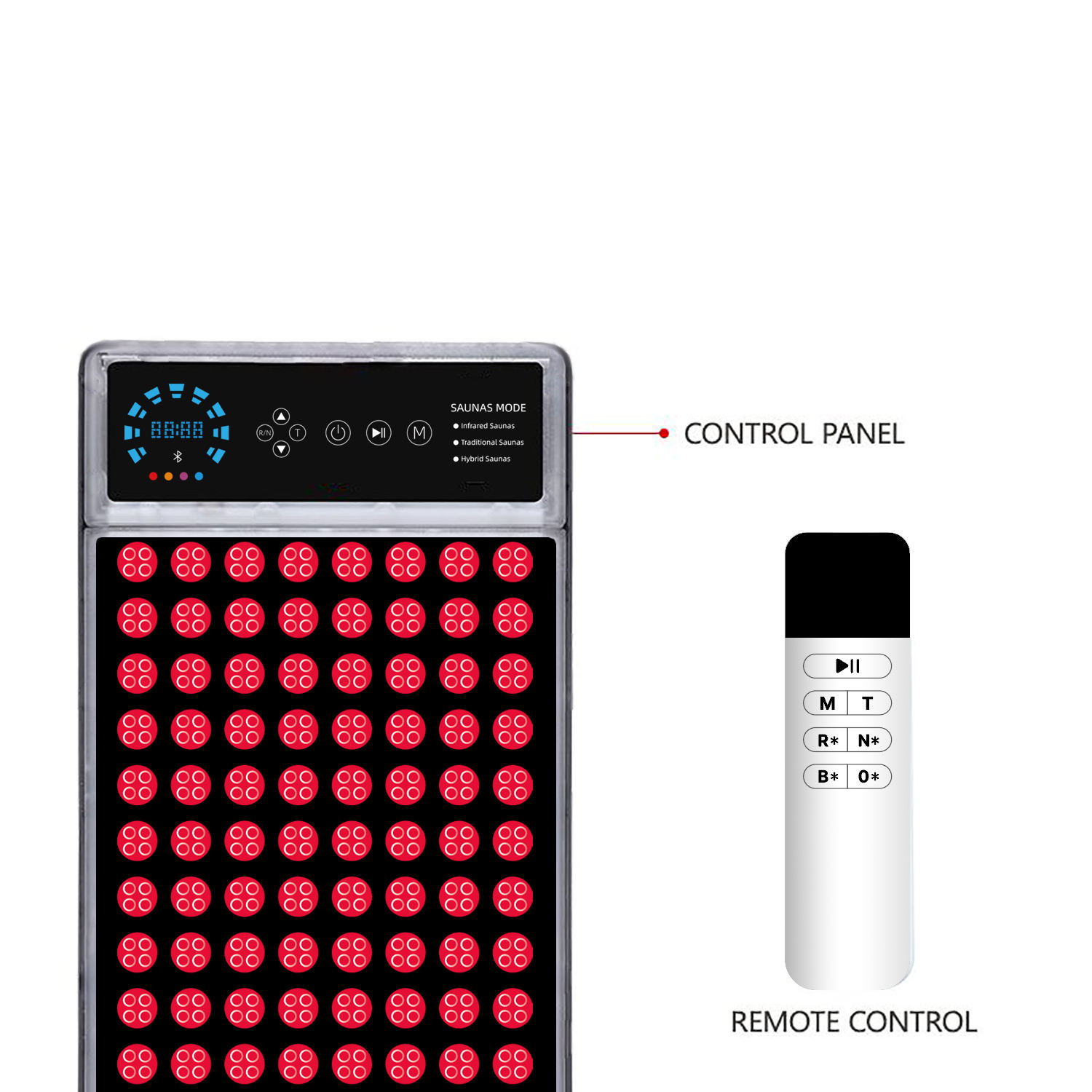
We've launched an waterproof (IP65), -40°~90°C heat/low temperature-resistant light therapy panel specifically built to integrate into saunas room, infrared cabins, hot tub, ice baths, steam baths and showers etc. luxtury wellness space— it delivers red/NIR/amber/blue wavelengths that supports skin rejuvenation, circulation and deep muscle relaxation while withstanding high humidity/heat environment.
If you are interesting for the products and want to know how it improve your business, please inquiry us:
Email: ez@therapy-light.com
WhatsApp: +86 151 1311 0489

1. How far should I stand from my red light therapy panel?
Most home users stand or sit about 15–30 cm (6–12 inches) from the panel, but you should always follow your specific device's distance recommendations. [kivawellness.com]
2. How often can I use red light therapy at home?
Many people see good results using red light therapy 3–5 times per week, starting with shorter sessions and gradually increasing as tolerated within the device's guidelines. [consciousspaces]
3. Do I need eye protection for every session?
For body treatments away from the face, simply closing your eyes may be enough, but when treating the face or using high‑output panels at close range, it is wise to use dedicated eye protection compatible with your device's wavelengths. [kivawellness.com]
4. Can I combine red light therapy with other wellness tools like saunas or cold plunges?
Yes, many wellness enthusiasts integrate red light with saunas, contrast therapy, meditation, or stretching, but you should monitor how your body responds and consult a professional if you have medical concerns. [lumired]
5. What is the biggest mistake people make when setting up a home red light therapy area?
The most common mistake is treating the device like a gadget instead of designing a dedicated space; inconsistent distance, awkward positioning, and low session frequency are often the result. [vitamagazine]
1. Mito Red Light. "Designing Your Layout and Body Position for Home Red Light Therapy Setups."
2. Vita Magazine. "How To Set Up A Red Light Therapy Room In Your House."
[https://vitamagazine.com/2024/10/20/how-to-set-up-a-red-light-therapy-room-in-your-house/] [vitamagazine]
3. Kiva Wellness. "Red Light Therapy at Home: How to Get Started."
[https://kivawellness.com.au/blogs/hub/red-light-therapy-at-home-how-to-get-started] [kivawellness.com]
4. LumiRed / Conscious Spaces. "The Complete Guide to Red Light Therapy for Your Home."
[https://consciousspaces.com/blogs/science/red-light-therapy-guide] [consciousspaces]
5. CNET. "Best Red Light Therapy Devices of 2026."
[https://www.cnet.com/health/personal-care/best-red-light-therapy-devices/] [cnet]
6. Fortune. "4 Best Red Light Therapy Panels of 2026: Personally Tested."
[https://fortune.com/article/best-red-light-therapy-panels/] [fortune]
7. Kiva Wellness. "Red Light Therapy at Home – Safety Tips & Proper Usage."
[https://kivawellness.com.au/blogs/hub/red-light-therapy-at-home-how-to-get-started] [kivawellness.com]
8. IDEAWEARABLE. "Best Wearable Red Light Therapy Device Factory Supplier."
[https://ideawearable.com/zh/products/] [ideawearable]
9. ideatherapy. "Red Light Therapy Panel RL Series Technical Overview."
[https://www.ideatherapy.com/cn/product/infrared-therapy.html] [ideatherapy]
10. The Good Trade. "The Best Science‑Backed Red Light Devices for Your Home."
[https://www.thegoodtrade.com/features/red-light-therapy/] [thegoodtrade]


