
- All
- Product Name
- Product Keyword
- Product Model
- Product Summary
- Product Description
- Multi Field Search

Views: 222 Author: EZ-Therapylight Publish Time: 2026-05-30 Origin: Site


You should generally keep your skin clean, bare, and product-light before red light therapy, while avoiding makeup, SPF, thick occlusive creams, and strong active ingredients so that light can penetrate effectively and skin stays comfortable. At the same time, simple hydration, gentle cleansing, and consistent routines—combined with professional-grade devices—help you get safer, more predictable results. [zaplaser]
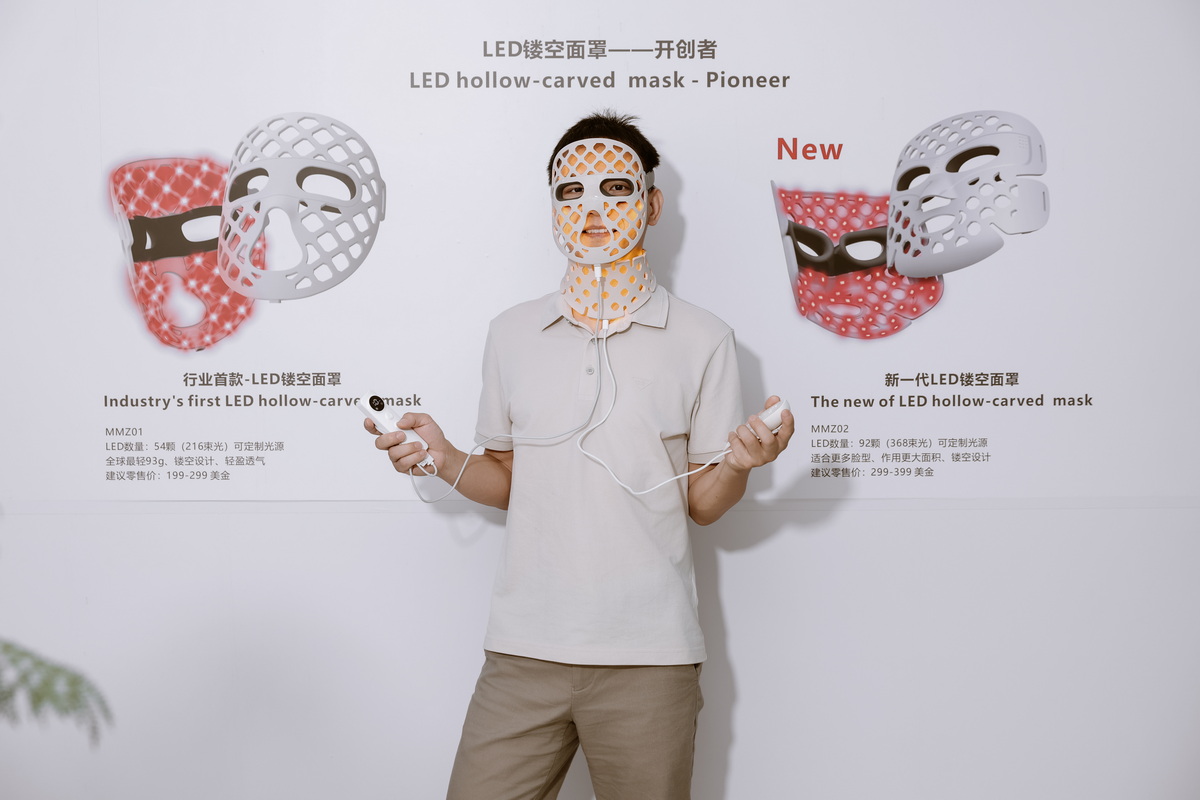
Red light therapy (also called photobiomodulation) uses specific red and near‑infrared wavelengths to interact with cells in the skin and underlying tissues. These wavelengths are designed to reach the mitochondrial level, helping support normal cellular energy production without damaging the surface of the skin.
Many users and clinicians choose red light therapy to support collagen production, skin clarity, healing response, and more even tone and texture, rather than as a medical treatment for disease. Evidence from clinical and wellness practice suggests it may help reduce the appearance of fine lines and wrinkles, improve radiance, and support recovery when used consistently as part of an overall skincare and lifestyle routine. [alteredstateswellness]
> Important: Red light therapy devices marketed for wellness are typically non‑medical Class II devices; they support general well‑being and normal skin function but are not intended to diagnose, treat, cure, or prevent any disease.
Anything that sits on top of your skin—makeup, SPF, heavy oils, thick creams, dirt, or sweat—can act like a physical filter that reflects or scatters light. When you remove this barrier, more red and near‑infrared light can actually reach the deeper layers where it's intended to work. [maysama]
Clinics and expert guides consistently emphasize that clean, product‑minimal skin enhances light penetration and makes each session more efficient, especially when you are targeting specific areas such as fine lines, pigmentation, or scars. [zaplaser]
Uneven product layers—like patches of makeup, thick SPF in some spots, or leftover exfoliants—can result in uneven light distribution, which may make your results less consistent across the treated area. By starting with a clean, balanced surface, you give your skin a consistent "canvas," helping to reduce hot spots, sensitivity, or patchy outcomes. [theskinnyconfidential]
In practice, users who treat red light therapy like a structured skincare step—cleanse, lightly hydrate, then light—often report smoother, more predictable progress over several weeks. [alteredstateswellness]
Red light therapy is generally considered gentle and non‑invasive, but already‑irritated or over‑treated skin can react more easily. Products containing strong acids, retinoids, benzoyl peroxide, or alcohol may increase photosensitivity or barrier disruption, especially if applied right before a session. [maysama]
By simplifying your routine before and after treatments, you reduce the chance of redness, tightness, or discomfort, particularly if your skin is naturally sensitive or if you are new to light therapy. [theskinnyconfidential]
The short answer: usually no—keep it clean and bare, with a few evidence‑informed exceptions. [zaplaser]
Most expert guides agree you should avoid the following immediately before red light therapy: [maysama]
- Makeup and foundation – create a barrier and may contain reflective pigments. [theskinnyconfidential]
- Sunscreen (SPF) – often uses physical or chemical filters that block or scatter light. [alteredstateswellness]
- Thick, occlusive creams or balms – petroleum jelly, thick night creams, or heavy oils can reduce light penetration. [zaplaser]
- Strong active ingredients – high‑strength retinoids, AHAs/BHAs, benzoyl peroxide, or aggressive exfoliants immediately before sessions can increase sensitivity. [alteredstateswellness]
- Alcohol‑based toners or astringents – may dry and irritate the skin, especially when combined with light exposure. [zaplaser]
If you use these products as part of your normal routine, it is usually better to apply them at a different time of day than your red light session (for example, actives at night and light therapy earlier, or on alternate days), unless your dermatologist has given you specific instructions. [alteredstateswellness]
Some evidence suggests that antioxidant serums, especially those with green tea polyphenols, may work synergistically with LED or red light therapy, potentially enhancing visible results. Certain clinical and cosmetic studies indicate that green tea antioxidants plus light exposure may help accelerate the benefits of light therapy by supporting skin's natural defense and repair processes.
However, even with beneficial ingredients, most practitioners recommend keeping pre‑session products minimal and non‑occlusive, such as a light, water‑based antioxidant serum applied well before treatment and fully absorbed, rather than a thick layer sitting on the surface during exposure. [maysama]

Below is a practical, expert‑aligned routine you can follow at home, in spa settings, or with professional‑grade OEM devices.
- Avoid heavy exfoliation, peels, or aggressive scrubs for about 24 hours before treatment. [zaplaser]
- If you use retinoids or strong acids and notice sensitivity, consider skipping them the night before your red light session, or seek advice from your dermatologist. [alteredstateswellness]
This gives your skin barrier time to stabilize so that light exposure is more comfortable and predictable. [zaplaser]
- If you wear makeup or sunscreen, start with a gentle first cleanse (such as a mild oil or balm) to break down pigment and SPF. [theskinnyconfidential]
- Follow with a non‑stripping, fragrance‑light cleanser to remove residue without over‑drying. [maysama]
A clean, product‑free surface is the foundation of every effective red light session. [theskinnyconfidential]
After rinsing, pat your skin dry with a clean towel. Do not start your session with wet or dripping skin, especially when using high‑power panels, as you want the light to interact primarily with skin, not with a water film. [alteredstateswellness]
Dry skin also reduces the risk of device slippage for handheld or panel‑adjacent use and makes positioning more consistent.
If your skin feels tight or uncomfortable when completely bare, you may apply a lightweight, non‑occlusive moisturizer or hydrating serum at least several minutes before your session. Look for: [maysama]
- Gel or serum textures
- Non‑comedogenic formulations
- Minimal fragrance and alcohol
Allow it to fully absorb so there is no visible film before you start. [maysama]
Before turning on your device:
- Remove jewelry, reflective accessories, and glasses on the treated area. [theskinnyconfidential]
- Tie back hair or use a headband so it does not cast shadows or block light. [alteredstateswellness]
- For body treatments, avoid tight clothing over the treated area during the session. [alteredstateswellness]
This ensures direct, even light exposure across your target zones. [theskinnyconfidential]
Drink water before and after your sessions to help support overall skin hydration and circulation, which many practitioners consider an important part of optimizing results. While hydration alone is not a guarantee of better outcomes, well‑hydrated skin tends to tolerate treatments more comfortably. [zaplaser]
Proper post‑care is just as important as what you do before the session.
Your skin may feel slightly warmer after treatment due to increased blood flow. Allow it to cool naturally and avoid immediately applying very hot water, saunas, or intense workouts to the treated area.
If you notice mild warmth or pinkness, a cool compress or gentle aloe vera gel can help soothe the skin without clogging pores. [zaplaser]
Once your skin feels comfortable:
- Apply a gentle, barrier‑supportive moisturizer if your skin feels dry. [alteredstateswellness]
- When you are heading outdoors afterward, use sunscreen—just be sure to apply it after, not before, your red light session. [maysama]
Because red light therapy is not the same as UV exposure, it does not replace the need for UV protection. However, freshly treated skin may be a little more responsive, so it is wise to protect it from harsh environmental stressors. [zaplaser]
Keeping a simple skin diary or photo log can help you track subtle changes in tone, fine lines, or texture over time. Many users notice visible improvement after several weeks of consistent use, though time frames vary depending on skin type, age, and device parameters.
If you experience unusual redness, itching, or discomfort, pause sessions and discuss with a healthcare professional before resuming; in some cases, adjusting distance, session time, or frequency is enough to restore comfort.
Clinical and wellness experience suggests that consistency matters more than intensity, especially for cosmetic goals. Many users follow programs such as: [zaplaser]
- Several sessions per week for the first few weeks
- Gradual maintenance frequency once visible benefits appear
Fine lines and textural concerns may respond to more frequent sessions initially, while redness or sensitivity sometimes benefit from slightly more spacing. Tracking your own response—and, where relevant, consulting with a clinician—helps you find the schedule that fits your goals and tolerance. [zaplaser]
From both a practitioner and manufacturer standpoint, device quality and design are critical to safe, repeatable results. This includes: [therapy-light]
- Accurate wavelength output and power density
- Stable thermal management to avoid overheating
- Consistent coverage across panels, masks, or targeted devices
As an OEM/ODM manufacturer, EZ‑Therapylight works with global wellness, light therapy, and biohacking brands to design devices that combine professional‑grade performance with user‑friendly ergonomics, helping end users follow best‑practice routines with less guesswork. Proper engineering ensures that when users apply the clean‑skin protocols described above, the device can deliver energy in a controlled and predictable way. [therapy-light]
Here is a sample routine for a home user integrating red light therapy into a daily skincare regimen.
Morning
1. Gentle cleanse
2. Light, non‑occlusive hydrating serum (optional, fully absorbed)
3. Red light therapy session (clean, bare skin) [maysama]
4. Moisturizer as needed
5. Sunscreen before going outdoors
Evening
1. Double‑cleanse (if wearing makeup/SPF) [theskinnyconfidential]
2. Actives such as retinoids or mild acids (if recommended for you, and if your skin tolerates them)
3. Barrier‑supportive moisturizer
This structure separates strong actives from most red light sessions while still allowing you to benefit from both modalities under professional guidance. [alteredstateswellness]
If you are a light therapy, wellness, or biohacking brand planning your next product line, partnering with a specialized OEM/ODM manufacturer lets you integrate scientific best practices—like effective skin preparation guidance—directly into your devices, packaging, and user manuals. [therapy-light]
EZ‑Therapylight provides custom red light therapy devices, panels, masks, and targeted solutions for global brands and wholesalers, with engineering, testing, and design support tailored to your market and positioning. [therapy-light]
Ready to build or upgrade your red light therapy line?
Get in touch with EZ‑Therapylight to explore custom OEM/ODM solutions that align device performance, user safety, and best‑practice skincare guidance for your customers. [therapy-light]
We've launched an waterproof (IP65), -40°~90°C heat/low temperature-resistant light therapy panel specifically built to integrate into saunas room, infrared cabins, hot tub, ice baths, steam baths and showers etc. luxtury wellness space— it delivers red/NIR/amber/blue wavelengths that supports skin rejuvenation, circulation and deep muscle relaxation while withstanding high humidity/heat environment.
If you are interesting for the products and want to know how it improve your business, please inquiry us:
Email: ez@therapy-light.com
WhatsApp: +86 151 1311 0489

1. Can I use red light therapy if I have sensitive or rosacea‑prone skin?
Red light therapy is generally considered gentle and is often used in sensitive‑skin contexts, but individual responses vary. If you have rosacea, eczema, or a history of photosensitivity, consult a dermatologist first and start with shorter, less frequent sessions while monitoring your skin closely. [zaplaser]
2. Is it safe to combine red light therapy with retinol or acids?
Many people use both, but not necessarily at the same time of day. Strong actives can increase sensitivity, so a common approach is to use red light on clean, bare skin and apply retinoids or acids at a different time (for example, evenings without immediate light exposure), guided by professional advice. [alteredstateswellness]
3. Do I need to exfoliate before every red light therapy session?
No. Occasional, gentle exfoliation (such as once or twice a week) can help remove dead skin cells and improve light penetration, but over‑exfoliating can compromise your barrier and increase irritation. Listen to your skin and avoid any harsh treatments right before sessions. [zaplaser]
4. How long before a session should I avoid sunscreen or heavy cream?
If you plan to do red light therapy, it is ideal to schedule your SPF and heavy creams after the session, not before. If you must reapply sunscreen frequently for outdoor activities, try to perform your red light session at a time when your skin can be cleansed first. [maysama]
5. How soon should I expect results on wrinkles or texture?
Most users report noticing gradual improvements in texture, tone, or fine lines over several weeks of consistent use, while deeper changes may take longer. Results depend on device quality, wavelength, session frequency, and your overall skincare, lifestyle, and health habits. [zaplaser]
1. Mito Red Light. How To Prep Your Skin Before Red Light Therapy (medically reviewed by Heidi Wright, BSN, RN, PCCN).
2. Zap Laser Center. How to Prep Your Skin for Red Light Therapy to Boost Skin Results.
https://zaplaser.com/how-to-prep-your-skin-for-red-light-therapy-tips-that-maximize-results/ [zaplaser]
3. Maysama. Should I Put Anything on My Skin Before Red Light Therapy?
https://maysama.com/blogs/news/should-i-put-anything-on-my-skin-before-red-light-therapy [maysama]
4. Altered States Wellness. Preparing Your Skin for Red Light Therapy.
https://www.alteredstateswellness.com/blog/how-to-prep-skin-for-red-light-therapy [alteredstateswellness]
5. The Skinny Confidential. How to Prep Skin for Red Light Therapy: Tips for Maximum Results.
https://www.theskinnyconfidential.com/how-to-prep-skin-for-red-light-therapy [theskinnyconfidential]
6. Cleveland Clinic. Red Light Therapy: Benefits, Side Effects & Uses (cited in Mito Red article).
https://health.clevelandclinic.org
7. EZ‑Therapylight. Custom Red Light Therapy Device OEM/ODM (company site and product pages).


