
- All
- Product Name
- Product Keyword
- Product Model
- Product Summary
- Product Description
- Multi Field Search

Views: 222 Author: EZ-Therapylight Publish Time: 2026-05-16 Origin: Site


Choosing the right wavelengths in a red light therapy device is the difference between a wellness gadget that looks impressive on paper and one that consistently supports real-world skin, recovery, and performance goals. In my work with Light Therapy & Biohacking brands, I see the same issue repeatedly: people obsess over LED counts and "colors" but overlook wavelength selection, dose, and treatment protocol. [foreo]
From a practitioner and product-development perspective, the most useful ranges sit in the so‑called therapeutic window between about 600 and 1000 nm, with 630–660 nm red light and 810–850 nm near‑infrared (NIR) doing the heavy lifting in both research and clinical-style protocols. For OEM/ODM brands like EZ‑Therapylight, understanding why these specific wavelengths matter is the foundation for designing devices that actually perform, not just market well. [healthlightllc]
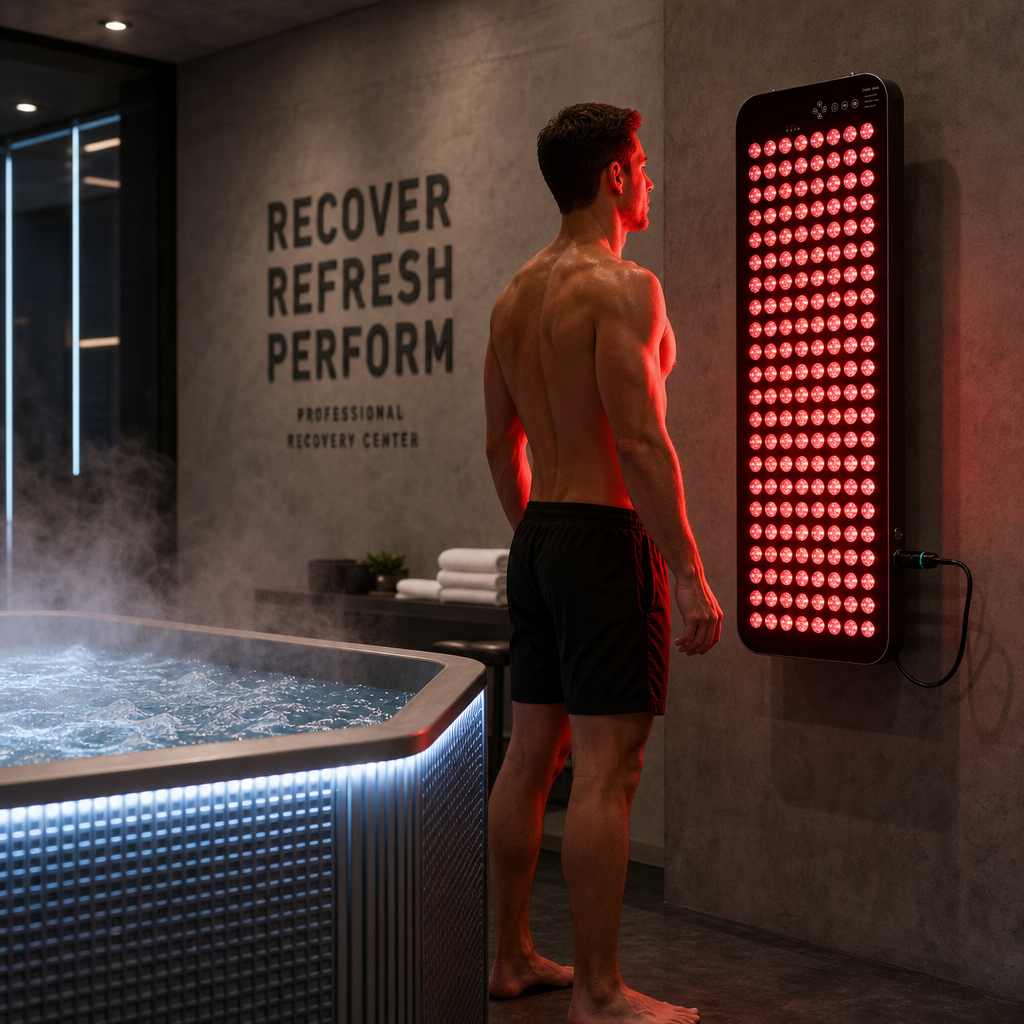
In red light therapy, a wavelength is the distance between peaks of a light wave, measured in nanometers (nm), and it determines both tissue penetration and which biological molecules absorb the light. In photobiomodulation, one of the most discussed chromophores is cytochrome c oxidase in the mitochondrial respiratory chain, which appears to absorb parts of the red and NIR spectrum and helps explain why these ranges are so heavily studied. [scientificamerican]
When appropriate wavelengths reach tissue at an appropriate dose, studies suggest they can influence mitochondrial signaling, ATP production, oxidative stress, nitric oxide availability, and downstream repair and anti‑inflammatory pathways. By contrast, UV carries DNA-damage risk and far‑infrared behaves more like heat therapy, which is why the 600–1000 nm "therapeutic window" is the focus for wellness and medical‑adjacent devices. [nature]
The therapeutic window for photobiomodulation spans roughly 600–1000 nm, where light can penetrate tissue without being fully absorbed by water, melanin, or hemoglobin before it reaches the target. Within this window, two bands stand out: [ideatherapy]
- Red light: 630–700 nm – visible red, mainly skin and superficial tissue
- Near‑infrared: 780–1000 nm – invisible or almost invisible, used for deeper tissue
Across reviews and device testing, the most commercially and clinically relevant points in this window are 630, 660, 810, 830, and 850 nm. Each of these has a distinct evidence profile, tissue depth, and application, which is why advanced OEM devices typically use targeted combinations instead of random multi‑color mixes. [b2bwiki.baidu]
Recent reviews continue to emphasize that wavelength, dose, and tissue target matter more than simply "more LEDs." A 2024 dermatology review describes photobiomodulation as a way to modulate cellular functions and biological processes, while noting that protocol parameters must be adapted to different skin indications rather than copy‑pasted across all use cases. [foreo]
In the near‑infrared domain, newer work continues to explore 810 nm for brain and nerve applications and combinations like 810 nm + 660 nm for multi‑layer effects. For cosmetic use, 630 nm and 850 nm LED/IRED masks have shown wrinkle improvements in randomized, sham‑controlled settings over multi‑week use, reinforcing why modern face masks increasingly blend red and NIR channels. For product designers, the message is clear: instead of chasing exotic new wavelengths, double down on getting the "core" ranges correct and verifiable. [projectebeauty]
Key wavelengths and typical uses
Wavelength | Type | Best fit | Approx. target depth | Evidence notes |
|---|---|---|---|---|
630 nm | Red | Tone, texture, acne-support | Epidermis / upper dermis | Common in skin LED devices and acne protocols, often paired with blue light. foreo |
660 nm | Red | Collagen, anti‑aging, surface repair | Dermis | One of the most studied red wavelengths for skin and soft tissue. foreo |
810 nm | Near‑infrared | Brain, nerve, deep muscle research | Deeper soft tissue / brain | Central in transcranial and neurological PBM studies. foreo |
830 nm | Near‑infrared | Deeper dermal, connective tissue | Deeper dermis & soft tissue | Often combined with 630–660 nm in rejuvenation protocols. foreo |
850 nm | Near‑infrared | Muscle recovery, joints, full body | Deep soft tissue & joints | Widely used in panels for recovery and joint comfort. foreo |
940–1072 nm | Long NIR | Emerging / supplementary applications | Variable, protocol‑dependent | Evidence trail is thinner; should be contextual, not "upgrade" by default. foreo |
At 630 nm, red light sits at the shorter end of the red spectrum and deposits more energy in the upper layers of the skin, making it particularly relevant for surface‑level issues. Typical applications include mild to moderate acne-support routines, visible redness, superficial texture, and early pigmentation concerns. [projectebeauty]
Blue light around 415–465 nm is often the primary antimicrobial wavelength for acne, as it targets porphyrins in Cutibacterium acnes, and 630 nm is frequently paired with this blue range to support recovery and reduce post‑inflammatory redness. Clinical work comparing combined 415 nm + 630 nm light therapy with 5% benzoyl peroxide has reported lesion reductions with fewer side effects in light‑treated groups, which is one reason user communities often perceive red/blue combinations as gentler and easier to adhere to. [foreo]
Among all red wavelengths, 660 nm has become the workhorse for anti‑aging, dermal remodeling, and superficial soft‑tissue recovery. It penetrates into the dermis where fibroblasts reside, the cells responsible for producing collagen and elastin that underpin skin firmness and elasticity. [med.stanford]
Randomized controlled trials in journals such as Photomedicine and Laser Surgery have noted improvements in complexion, collagen density, and texture following structured red light therapy protocols centered around this range. From a device‑design standpoint, 660 nm is often the "anchor" wavelength in LED masks and panels intended for wrinkles, fine lines, and overall complexion, and user feedback typically highlights gradual improvements in plumpness and luminosity over 8–12 weeks of consistent use. [healthlightllc]
In the near‑infrared band, 810 nm occupies a crucial position because it can both reach deeper tissue and has been central in transcranial photobiomodulation research. Studies have explored 810 nm for traumatic brain injury, cognitive performance, mood, and neurodegenerative indications in controlled research environments, often reporting changes in measures related to attention, memory, or executive function. [scientificamerican]
Although consumer wellness devices are not medical treatments, these findings help explain why advanced panels and head‑targeted solutions frequently incorporate 810 nm as a core wavelength. For muscles and joints, 810 nm is often combined with 660 nm or 850 nm to span multiple tissue depths, which aligns with user reports that "stacked" red + NIR sessions feel more globally restorative than single‑band devices. [awarlt]
830 nm offers a useful bridge between visible red and deeper NIR, penetrating further than 630–660 nm while remaining highly relevant for skin and connective tissue. Clinical work combining 633 nm and 830 nm has shown visible improvements in skin roughness, tone, and elasticity, suggesting a synergistic effect when surface and mid‑depth tissues are both engaged. [projectebeauty]
For face-focused masks, 830 nm helps extend benefits beyond the superficial dermis into deeper layers, which is attractive for brands positioning around "structural" skin quality, scar remodeling, and post‑procedure support. In user reviews, people frequently describe 630/660 + 830 nm masks as "calming" and supportive for sensitive or redness‑prone skin when used at moderate intensities and durations. [foreo]
850 nm is arguably the most common NIR wavelength used in full‑body panels and recovery devices, because it can reach deeper muscle and joint structures than visible red light. A systematic review in Lasers in Medical Science reported that photobiomodulation applied before and/or after intense exercise was associated with reduced muscle fatigue and delayed‑onset muscle soreness compared with controls. [healthlightllc]
For everyday users, this often translates into using 850 nm‑rich panels for post‑workout routines, chronic joint discomfort, or general wellness sessions anchored around 10–20 minute exposures at controlled distances. When 850 nm is paired with 660 nm, you cover both surface recovery and deep‑tissue comfort in a single protocol, which is why this dual‑band architecture is almost standard in performance‑oriented panels. [awarlt]
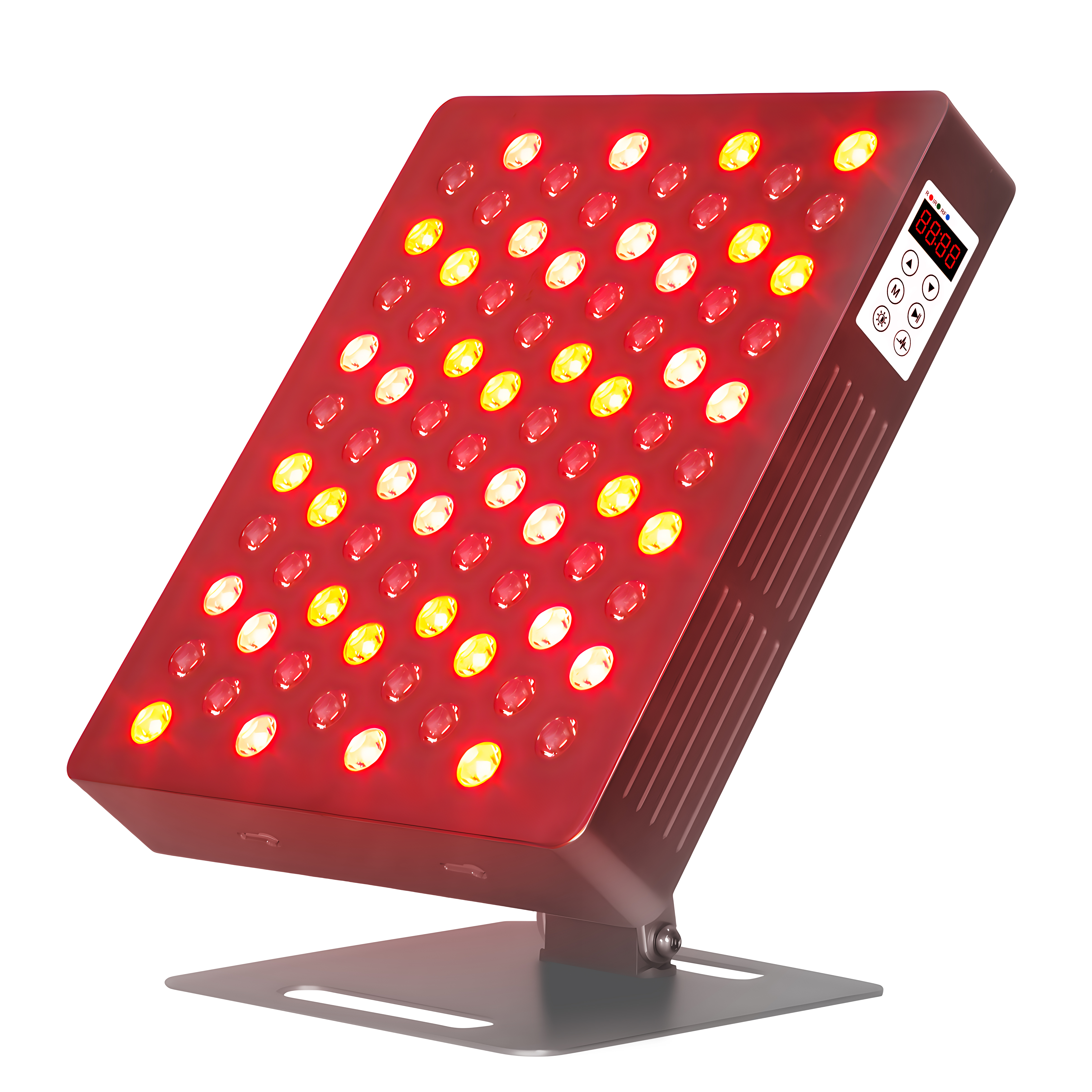
The "630 vs 660 nm" debate is common, but in practice it is less a matter of "better or worse" and more about matching depth to goal. [projectebeauty]
- 630 nm: Slightly more surface‑weighted, relevant for redness, mild acne-support, early pigmentation, and very sensitive skin.
- 660 nm: Deeper dermal reach, more tightly linked with collagen support, firmness, and classic anti‑aging concerns.
High‑end facial devices often include both because they cover complementary layers, and user communities typically report best outcomes with multi‑month routines that rotate or combine the two in balanced, non‑irritating doses. For OEM brands, offering switchable or programmable 630 + 660 nm modes is a practical way to let end users personalize according to skin reactivity and primary goals. [foreo]
Adding more wavelengths does not guarantee better outcomes; it only helps if each wavelength targets a distinct mechanism or tissue depth. Stacking several red wavelengths that sit within a narrow band can increase complexity and cost without delivering a measurable advantage over a well‑chosen 2–4 wavelength mix. [nature]
The devices that age well from both a research and UX perspective tend to use deliberate combinations: typically one or two red wavelengths (e.g., 630/660 nm) plus one or two NIR wavelengths (e.g., 810/850 nm). By contrast, "rainbow" devices that promote many colors but offer no clear rationale for each usually struggle to gain trust with informed customers and practitioners. [awarlt]
Longer NIR wavelengths such as 940 nm and 1072 nm have begun appearing in premium masks and targeted devices as "next‑generation" features. Some facial rejuvenation studies have explored 1072 nm alongside 633 and 830 nm, suggesting that these bands may have niche or additive roles in certain protocols. [nature]
However, the consumer evidence base for 940–1072 nm remains thinner than for 660, 810, 830, and 850 nm, and their real‑world value still depends heavily on dose, irradiance, treatment distance, and robust device testing. For OEMs, these wavelengths can be positioned as advanced options rather than core therapeutic channels, best offered in devices where the foundational 630–660 and 810–850 nm coverage is already strong and independently verified. [nature]
From a user‑experience standpoint, the simplest way to help customers is to tie wavelengths directly to everyday goals. [awarlt]
Goal‑based wavelength mapping
Goal | Primary wavelengths | Secondary wavelengths | Typical device type |
|---|---|---|---|
Skin anti‑aging, collagen, firmness | 660 nm | 630 nm, 830 nm | LED face mask or facial panel foreo |
Acne‑support routines | 415–465 nm blue + 630 nm | 660 nm | Multi‑wavelength LED face mask foreo |
Muscle recovery | 850 nm | 660 nm, 810 nm | Full‑body or half‑body panel foreo |
Joint‑support routines | 850 nm | 810 nm, 660 nm | Panel or targeted pad/handheld foreo |
Brain and nerve‑related PBM research | 810 nm | 660 nm, 850 nm | Specialized head/helmet devices foreo |
Sleep‑friendly evening light | 630–660 nm | 850 nm (low intensity) | Panels or lamps without active blue mode foreo |
Hair density / hair growth support | 630–650 nm | 660 nm | Scalp helmets or targeted bands foreo |
For brands, presenting this information visually on product pages significantly reduces friction and returns, because users can quickly see which device aligns with their main outcome rather than guessing based on power ratings alone. [awarlt]
Evidence and clinical guidelines vary, but several practical patterns show up across reviews and device manuals. [b2bwiki.baidu]
- Energy dose: Many protocols aim for roughly 4–6 J/cm² as a common starting threshold for tissue response, adjusted by condition and skin type.
- Session length: Shorter, consistent sessions (e.g., 5–15 minutes per area) are usually more sustainable than long, infrequent exposures.
- Distance: Staying within the tested distance range of the device (e.g., 10–30 cm for panels) helps ensure the irradiance matches the manufacturer's stated values.
- Eye protection: For high‑intensity facial or full‑body sessions, eye shielding is recommended, especially when blue light modes are active. [b2bwiki.baidu]
- Frequency: Many users and clinics work in 3–5 sessions per week blocks, then taper once the desired baseline is achieved.
From a UX perspective, devices that offer built‑in timers, intensity presets, and clear printed or app‑based protocols dramatically lower the learning curve and improve adherence. [awarlt]
For OEM/ODM partners like EZ‑Therapylight, wavelength strategy is a core part of product‑market fit, rather than a technical afterthought. Evidence‑aligned default architectures often look like this: [foreo]
- Facial mask / beauty line: 630 + 660 + 830 nm, with optional 415–465 nm blue for acne‑support and 590 nm amber for redness‑prone users.
- Performance & recovery panels: 660 + 850 nm as a baseline, optionally adding 810 nm for neuro‑cognitive positioning or 830 nm for connective‑tissue focus.
- Biohacker & clinic‑grade systems: 630 + 660 + 810 + 850 nm, with granular control over channels and intensity to support protocol experimentation.
Pairing these hardware decisions with transparent irradiance testing, published wavelength charts, and protocol guidance is what builds long‑term trust with practitioners and advanced home users. [infraredi]
We've launched an waterproof (IP65), -40°~90°C heat/low temperature-resistant light therapy panel specifically built to integrate into saunas room, infrared cabins, hot tub, ice baths, steam baths and showers etc. luxtury wellness space— it delivers red/NIR/amber/blue wavelengths that supports skin rejuvenation, circulation and deep muscle relaxation while withstanding high humidity/heat environment.
If you are interesting for the products and want to know how it improve your business, please inquiry us:
Email: ez@therapy-light.com
WhatsApp: +86 151 1311 0489

1. What is the single best wavelength for red light therapy?
There is no universal "best" wavelength; 660 nm is heavily studied for skin and collagen, 630 nm is helpful for surface and acne‑support, 850 nm is widely used for muscle and joints, and 810 nm is central in brain‑related research. [scientificamerican]
2. Is near‑infrared light better than red light?
Neither is inherently better; red light (630–660 nm) primarily targets skin and superficial tissues, while near‑infrared (810–850 nm) reaches deeper muscles and joints, so the optimal choice depends on the user's goal. [ideatherapy]
3. How many wavelengths does a good device need?
Most evidence‑aligned devices perform well with 2–4 carefully chosen wavelengths, such as 630/660 nm plus 810/850 nm, and adding more only helps when each wavelength has a clear role. [nature]
4. How long does it take to see results from red light therapy?
In studies and user communities, visible skin changes often appear after 6–12 weeks of consistent use, while acute muscle recovery benefits may be noticed within days, depending on protocol and baseline condition. [healthlightllc]
5. Is red light therapy safe for home use?
When used according to manufacturer guidelines, red and NIR light therapy is generally well tolerated, but users should follow dosing instructions, protect the eyes around high‑intensity or blue modes, and consult a professional if they have photosensitive conditions. [b2bwiki.baidu]
1. Mito Red Light. "Red Light Therapy Wavelengths: 630, 660, 850 nm Guide." [Link] [foreo]
2. Scientific American. "Does red-light therapy work? What the research says." 2026. [scientificamerican]
3. HealthLight. "What Wavelength Works Best For Red Light Therapy?" 2023. [healthlightllc]
4. FOREO. "Red Light Therapy Wavelength: Does Length Matter?" 2025. [foreo]
5. Project E Beauty. "Understanding Red Light Therapy Wavelengths." 2025. [projectebeauty]
6. Nature News. "The surprising science behind red-light therapy." 2026. [nature]
7. Infraredi. "Red Light Therapy Devices: The Ultimate Guide." [infraredi]
8. 百度B2B百科. "红光治疗设备指南." 2026. [b2bwiki.baidu]
9. Stanford Medicine. "Red light therapy: What the science says." 2025. [med.stanford]
10. IdeaTherapy. "什么是红光疗法的理想波长." 2025. [ideatherapy]
11. Awarlt. "How to Choose the Right Red Light Therapy Device for Your Need." 2025. [awarlt]


