
- All
- Product Name
- Product Keyword
- Product Model
- Product Summary
- Product Description
- Multi Field Search

Views: 227 Author: EZ-Therapylight Publish Time: 2026-06-27 Origin: Site


Content Menu
● Why Irradiance and Joules Matter in Red Light Therapy
● Dose Rate vs. Total Dose – Why Timing Changes Outcomes
● Understanding the Biphasic Dose Response – Why "More" Is Not Always Better
● Why Consumer Light Meters Are Only an Approximate Guide
● Professional Diagnostic Testing – The Foundation of Trusted Dosing
● Practical Dosing Guidelines for Everyday Wellness Use
● Listening to Your Body vs. Relying on Dosing Calculators
● Manufacturer's View – Designing Panels for Real‑World Safety and Comfort
● Content and SEO Insight – How Evidence‑Led Dosing Education Drives Growth
● Communicating Dosing Clearly to End Users
● How Brands and Clinics Should Choose Panels
● Simple Dosing Workflow for Everyday Users
● Example Irradiance and Fluence Table for Panel Comparison
● Safety, Disclaimers and YMYL Responsibility
● Conclusion – Building Dosing Protocols Users Can Trust
● FAQs
Red light therapy only becomes truly effective when irradiance, joules, and real‑world user experience are understood together, instead of chasing a single "magic number" or over‑simplified dose calculator.
As a professional Chinese red light therapy device R&D and manufacturing team, EZ‑Therapylight works daily with global Light Therapy, Wellness, Health and Biohacking brands that need dosing guidance which is scientifically grounded, commercially realistic, and safe for long‑term use. This guide reframes irradiance and joules from an industry and practitioner perspective, building on established photobiomodulation (PBM) concepts while adding practical advice for device brands, clinics and OEM/ODM partners.

Two core metrics shape every meaningful dosing conversation in red light therapy: power density and energy density.
- Irradiance (power density) describes how much light power reaches a given area, usually expressed in mW/cm².
- Fluence (energy density) describes the total energy delivered over time, expressed in J/cm² and calculated by multiplying irradiance by exposure duration.
In everyday language, irradiance tells you how intense the light is at the skin, while joules per cm² tell you how much total light energy the tissue receives during a session. Most PBM studies that report positive results fall within an approximate window of a few to a few dozen J/cm², depending on tissue depth and use case. Many modern panels are engineered to deliver a few joules per cm² per minute, allowing users to reach this window in around 5–15 minutes per area.
A critical nuance in dosing is that both total energy and rate of delivery matter.
A well‑known analogy compares red light therapy to cooking a turkey: cooking at 400 °C for 4 hours versus 800 °C for 2 hours might add up to similar "degree‑hours," but the real‑world result is completely different. The first scenario yields a safe, edible meal; the second yields something burnt and inedible, despite similar "numbers."
Red light therapy behaves in a similar way:
- Excessively high irradiance over a short period can cause uncomfortable heating and may push tissue beyond its optimal biostimulatory window.
- Very low irradiance over a very long period might fail to trigger meaningful biological changes.
The practical goal for brands and clinics is to design protocols where fluence falls into a proven window, but irradiance stays at a level that is comfortable, non‑damaging, and efficient for daily routines.
PBM is widely described as having a biphasic dose response, sometimes visualised as an "inverted U‑curve." At low doses, tissues respond positively; at optimal doses, effects peak; beyond that point, further energy can lead to diminishing returns or even reduced benefit.
For everyday users, this means:
- Too low a dose may deliver no noticeable change in skin, recovery, or comfort.
- Moderate doses (for example in the region often used in PBM literature) tend to produce the best results.
- Very high doses can increase heat, discomfort, or simply waste time without adding value.
Experienced users routinely report better long‑term outcomes when they start with shorter sessions, observe how their body feels (energy, sleep, skin, pain), and then increase gradually rather than jumping straight to long, high‑intensity sessions. This user‑centric progression aligns with dose principles used by responsible manufacturers and practitioners.
A common source of confusion in the red light therapy community is the use of solar meters and other consumer light meters to estimate irradiance.
Low‑cost meters:
- Often overestimate irradiance, sometimes by several fold compared with professional spectrometer‑based measurements.
- Can vary significantly between units, even from the same brand.
- Are not designed for precise, wavelength‑specific PBM measurements.
Despite these limitations, consumer meters can still serve as a relative comparison tool, provided that:
- All devices are measured with the same meter under identical conditions.
- Readings are treated as rough indicators, not as clinical dosing data.
For dosing guidance and safety evaluation, manufacturers should rely on independent lab tests and calibrated equipment, publishing results so brand owners and practitioners can make informed decisions.
From a Google E‑E‑A‑T and industry authority perspective, independent irradiance and fluence data is one of the strongest signals of expertise and trustworthiness in this niche.
Professional testing typically includes:
- Spectral analysis to confirm wavelengths and output profile.
- Irradiance mapping across the panel surface and at standardized distances.
- Fluence calculation per minute at realistic treatment positions.
Usage guidelines such as "5–10 minutes per area" or "up to 15 minutes for larger coverage" should be based on these controlled measurements rather than improvised spreadsheet calculators. For OEM/ODM partners, this data provides:
- Clear treatment time bands aligned with evidence‑based dose ranges.
- Objective performance specs for marketing, regulatory documentation and clinical cooperation.
- Stronger confidence for B2B buyers comparing multiple factories and panel designs.
EZ‑Therapylight integrates structured R&D, multi‑step QC, aging tests and certification workflows to ensure repeatable output and dosing behaviour across batches, which is crucial when panels carry your brand name into global markets.
Although exact protocols should be tailored by professionals, certain patterns appear consistently across successful wellness applications of red light therapy.
Typical non‑medical dosing patterns:
- Session duration: Begin with a few minutes per body area; gradually increase towards 10 minutes, with many users capping at about 15 minutes for large panels.
- Frequency: Start with 3–7 sessions per week, then move to a maintenance schedule once desired changes stabilise.
- Distance: Commonly around 6–12 inches from the device; adjust distance for comfort, heat, and coverage.
- Body feedback: Pay attention to warmth, skin sensations, energy levels, and sleep; reduce or pause sessions if discomfort or unusual effects appear.
In practice, a panel delivering several joules per cm² per minute at a typical distance will reach widely discussed PBM dose windows in 5–15 minutes, giving most users a balance of effectiveness, time efficiency, and safety margin.
Online "red light therapy dosage calculators" promise precise numbers based on intensity and time, but in reality they often provide an illusion of accuracy.
Key limitations of rigid calculators:
- They usually ignore individual factors such as skin type, age, medication use, and underlying conditions.
- They treat dose response as linear instead of biphasic, suggesting that "more" always equals "better."
- They may be based on inflated irradiance values from consumer meters rather than professional lab data.
A safer and more user‑centric approach is to:
- Use manufacturer guidance rooted in independent testing.
- Start with conservative doses, then adjust based on body feedback.
- Consult licensed healthcare professionals when using devices alongside medication or for medical conditions.
For wellness brands, this philosophy shows respect for user safety and aligns with YMYL and E‑E‑A‑T expectations.
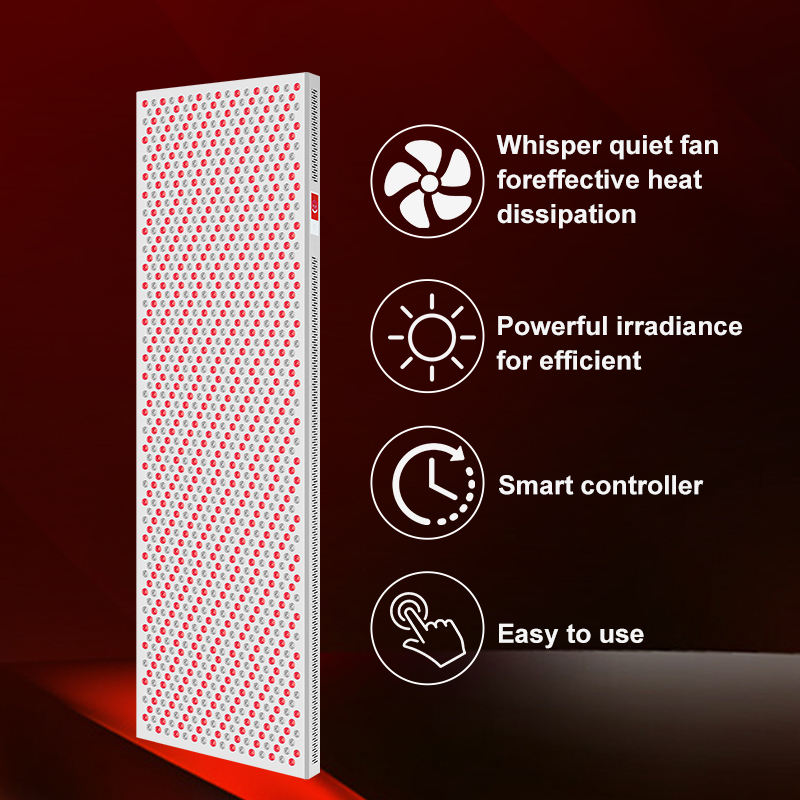
From a factory perspective, reliable red light therapy is not just about peak numbers; it is about engineering for real people in real environments.
Core design principles for panels and masks include:
- Moderate, controllable irradiance: Avoiding extremely high power densities that are difficult to keep within safe dose windows, especially for near‑infrared wavelengths that penetrate deeper.
- Time‑efficient fluence delivery: Ensuring typical wellness sessions stay within 5–15 minutes while reaching meaningful energy densities.
- Thermal management: Implementing suitable heat sinks, housing designs and component choices to keep device surfaces comfortable during prolonged use.
- Transparent documentation: Providing manuals and quick‑start guides that emphasise education, safe ranges, and non‑medical positioning, instead of aggressive cure claims.
For OEM/ODM partners, choosing a manufacturer like EZ‑Therapylight means inheriting not just hardware but a dose philosophy that supports reputation, user satisfaction and compliance.
Educational content that explains irradiance, joules and dosing in clear terms can become a powerful growth engine for red light therapy brands.
Brands that invest in:
- In‑depth blog guides on wavelengths, dose principles and safety.
- User‑friendly tables and workflows explaining how to use devices.
- Transparent references to research and testing data.
often see higher organic traffic, stronger user trust, and more qualified leads than those relying only on promotional claims. For manufacturers, co‑creating dosing guides with brand clients can differentiate your offering and position your factory as a long‑term strategic partner, not just a component supplier.
Many brands struggle less with the underlying science and more with how to explain it without overwhelming their audience. A practical communication playbook can help.
1. Use plain‑language definitions
Describe irradiance as "how strong the light is on your skin" and joules as "how much light energy your body receives during the session" before introducing units like mW/cm² and J/cm².
2. Offer starting ranges, not guarantees
Phrase guidance as "most users start with 5–10 minutes per area, 3–5 times per week" rather than promising specific medical results.
3. Highlight the biphasic response
Explain that "more is not always better" and that over‑doing sessions can reduce benefits, encouraging gradual increases and self‑monitoring.
4. Reinforce safety and consultation
Remind users that devices support wellness routines and should not replace professional medical diagnosis or treatment, especially for serious conditions.
This style of communication demonstrates experience, expertise, and trustworthiness, which are central to E‑E‑A‑T and YMYL content standards.
For wellness brands, clinics and practitioners, the way irradiance and joules are presented becomes a selection framework for partner devices.
Key factors to ask about when evaluating panels:
- Independent lab reports on irradiance and fluence at realistic distances.
- Dose window alignment with PBM literature for non‑medical wellness use.
- Heat management and comfort during longer sessions.
- Clarity of user documentation on starting doses and adjustment rules.
- OEM/ODM flexibility for branding, housings and tailored content, without compromising core safety and performance.
By treating dosing as a strategic differentiator, brands can stand out in search results and in user reviews, relying on safety and clarity rather than raw intensity claims.
To make irradiance and joules truly actionable, users need a step‑by‑step workflow rather than complex equations.
Simple workflow for non‑medical wellness use:
1. Check your device's tested fluence per minute.
Use values from manufacturer documentation (for example "X J/cm² per minute at Y cm") instead of raw solar meter readings.
2. Pick a conservative starting dose.
Begin with a short duration that corresponds to a moderate total dose, then assess comfort and response over a few weeks.
3. Observe how your body responds.
Note changes in warmth, skin feel, energy and sleep, and record them if you are targeting multiple goals.
4. Increase duration gradually.
If sessions are comfortable and perceived benefits are growing, slowly extend session length within the range recommended by the manufacturer.
5. Reduce or pause if in doubt.
If you notice discomfort, excessive heat or any worrying changes, lower the dose or stop and seek advice from a qualified health professional.
This workflow turns abstract numbers into a repeatable routine that users can follow confidently over the long term.
The following illustrative table shows how panels with different measured irradiance values can still deliver similar useful total doses, once fluence per minute and typical session duration are taken into account.
| Panel series (example) | Consumer meter irradiance at 6 in (mW/cm²) | Lab‑tested fluence per minute (J/cm²) | Typical session time (min) | Approx. total dose (J/cm²) |
|---|---|---|---|---|
| Original full‑body | 150 mW/cm² | 2.0 J/cm²/min | 10 | 20 J/cm² |
| Modular panel | 140 mW/cm² | 2.5 J/cm²/min | 12 | 30 J/cm² |
| Pro series | 170 mW/cm² | 3.5 J/cm²/min | 10 | 35 J/cm² |
Even though consumer meter readings differ, practical dosing converges toward similar therapeutic windows when fluence and realistic treatment times are used as the guiding variables.
Because red light therapy touches health‑related topics, it sits under Google's YMYL (Your Money or Your Life) umbrella and requires extra care in content and product positioning.
Responsible brands and manufacturers should consistently:
- Emphasise devices as wellness tools, not as substitutes for medical diagnosis or treatment.
- Avoid promising to cure, treat or prevent specific diseases without robust clinical evidence and appropriate regulatory approvals.
- Direct users to licensed healthcare providers for medical decisions, contraindications and interactions with medications.
- Keep dosing content updated based on evolving PBM research and safety standards.
This balanced stance protects both users and brands, while still allowing red light therapy to play a valuable role in broader wellness and performance routines.
When irradiance, joules and dosing are explained as part of a coherent story – supported by independent testing, PBM theory and real user experience – red light therapy becomes accessible, safe and sustainable for everyday wellness.
Manufacturers like EZ‑Therapylight who combine evidence‑based engineering, clear usage guidelines and transparent content give OEM/ODM partners, clinics and wellness brands a solid foundation for devices that users will integrate into their routines with confidence. In a competitive category, this approach strengthens both search visibility and long‑term trust.
If you are building or expanding a Light Therapy, Wellness, Health or Biohacking brand, partner with a manufacturer that can provide independent performance data, user‑centric dosing frameworks and tailored OEM/ODM support.
By collaborating with expert teams like EZ‑Therapylight that understand both device engineering and user education, you can launch red light therapy solutions that stand out for safety, clarity and results‑driven design in global markets.
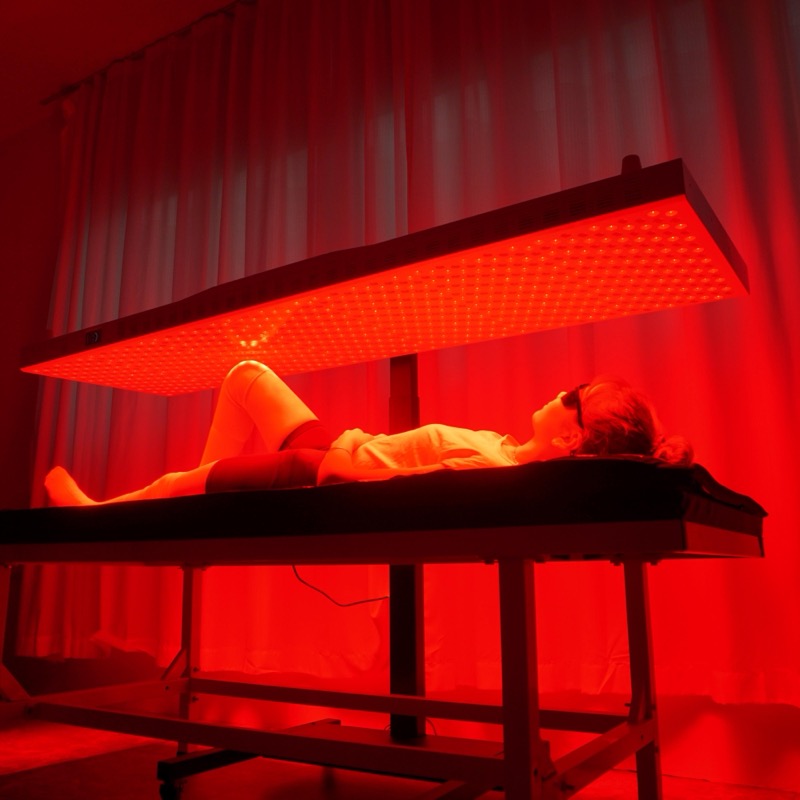
We've launched an waterproof (IP65), -40°~90°C heat/low temperature-resistant light therapy panel specifically built to integrate into saunas room, infrared cabins, hot tub, ice baths, steam baths and showers etc. luxtury wellness space— it delivers red/NIR/amber/blue wavelengths that supports skin rejuvenation, circulation and deep muscle relaxation while withstanding high humidity/heat environment.
If you are interesting for the products and want to know how it improve your business, please inquiry us:
Email: ez@therapy-light.com
WhatsApp: +86 151 1311 0489
Q1: Why do different red light therapy brands report very different irradiance numbers?
A1: Many rely on consumer solar meters, which can overestimate and vary widely between units. Only calibrated, professional lab equipment provides reliable irradiance data suitable for dosing guidance and safety evaluation.
Q2: How can I estimate my total dose in joules per cm² without complex calculations?
A2: Use the manufacturer's documented fluence per minute (for example "X J/cm²/min at Y cm") and multiply by your session duration. That gives an approximate total dose inside commonly used PBM ranges.
Q3: Is it safer to use lower irradiance panels for much longer sessions?
A3: Very low irradiance over long sessions may not deliver enough energy, while extremely high irradiance can increase heat and push beyond optimal ranges. Panels designed with moderate, tested intensities usually provide the best balance of comfort and effectiveness.
Q4: Should I trust online red light therapy dosage calculators?
A4: Calculators can offer rough guidance, but they often oversimplify PBM and ignore individual differences. It is safer to follow manufacturer guidelines grounded in testing, start conservatively, and adjust based on comfort and professional advice.
Q5: What should a wellness brand or clinic ask a manufacturer before private‑labelling panels?
A5: Request independent irradiance/fluence reports, typical dosing windows, thermal management details, certifications and OEM/ODM documentation support, to ensure your products and usage instructions align with safety and E‑E‑A‑T expectations.
1. Mito Red Light. "Irradiance and Joules and Dosing, Oh My! – Mito Red Light Blog."
[https://mitoredlight.com/blogs/mito-red-blog/irradiance-and-joules-and-dosing-oh-my]
2. Mito Red Light. "Red Light Therapy Dosing: Irradiance and Joules Guide."
[https://mitoredlight.com/blogs/mito-red-blog/red-light-therapy-dosing-irradiance-joules]
3. Mito Red Light. "Independent Test Data – Irradiance and Fluence."


