
- All
- Product Name
- Product Keyword
- Product Model
- Product Summary
- Product Description
- Multi Field Search

Views: 222 Author: EZ-Therapylight Publish Time: 2026-05-17 Origin: Site


Combining red light therapy and infrared sauna can be a powerful wellness stack when you understand that one is a light-based cellular signal and the other is a heat-based stressor—they are complementary, not interchangeable. [clearlightsaunas.co]
As a long‑time user of both red light panels and infrared saunas—and a content strategist serving leading wellness and biohacking brands—I've seen how smart protocols can amplify results, while poorly structured routines simply add stress and fatigue. This guide explains the science, the real‑world user experience, and clear step‑by‑step routines so you can combine red light therapy and infrared sauna safely and effectively. [havenofheat]

Red light therapy (often called photobiomodulation) uses specific red and near‑infrared wavelengths, typically around 600–700 nm and 800–1100 nm, to influence cells without relying on heat. These wavelengths are absorbed by mitochondrial chromophores such as cytochrome c oxidase, supporting ATP production and modulating signaling pathways related to inflammation, repair, and oxidative stress. By definition, photobiomodulation is non‑thermal: you may feel mild surface warmth, but core body temperature does not meaningfully rise and heat is not the therapeutic driver. [clearlightsaunas.co]
From a user perspective, a well‑designed red light panel session feels like standing in front of a pleasantly warm light source—no heavy sweating, no racing heart, and no "post‑sauna fatigue," just a subtle sense of relaxation and, over time, better skin tone, recovery, or sleep quality depending on your protocol. [cnn]
Infrared saunas primarily use long‑wave far‑infrared energy (roughly 3–25 microns) to heat the body, with most consumer units operating at cabin temperatures around 110–150°F (43–66°C). These longer wavelengths are absorbed largely by water in superficial tissues and converted into heat, which then elevates core temperature and increases heart rate and sweating as part of the thermoregulatory response. [eseospace]
This controlled heat exposure—sometimes called hyperthermic conditioning or "passive heat therapy"—has been associated with cardiovascular benefits, improved circulation, and support for recovery in observational and interventional studies of sauna use. Practically, a 20–30 minute infrared sauna feels like a gentle but accumulating stress: breathing deepens, heart rate climbs, and you come out sweaty, relaxed, and often pleasantly tired. [ideatherapy]
Even though both modalities sit somewhere in the infrared region of the spectrum, they stress completely different levers in your physiology. [clearlightsaunas.co]
- Red light therapy: photochemical signaling, mitochondrial modulation, non‑thermal. [clearlightsaunas.co]
- Infrared sauna: photothermal heating, cardiovascular and thermoregulatory stress, full‑body sweating. [clearlightsaunas.co]
This distinction matters for safety, protocol design, and expectations: swapping one for the other will not produce the same outcome, but combining them strategically can create a broader wellness effect. [havenofheat]
There is currently limited direct research on the exact synergy of red light therapy and infrared sauna used together, so most protocols rely on mechanistic reasoning, related sauna literature, and user experience. That said, several plausible complementary effects make the combination attractive: [havenofheat]
- Enhanced circulation from heat plus mitochondrial support from light may help with muscle recovery and perceived soreness after training. [clearlightsaunas.co]
- Skin benefits: increased blood flow from sauna plus red light's well‑documented effects on collagen and dermal repair can support skin texture and tone over time. [clearlightsaunas.co]
- Stress modulation: sauna triggers a hormetic heat stress, while properly dosed red light sessions may support sleep quality and mood, particularly when aligned with circadian timing. [cnn]
However, stacking therapies does not automatically mean better; in most cases, you are increasing total physiological load rather than unlocking an entirely new biological pathway. [havenofheat]
Based on both the underlying physiology and how users typically respond, combined red light and sauna sessions are especially relevant when:
- You have limited time and want to anchor multiple modalities into one wellness block. [clearlightsaunas.co]
- You are already accustomed to sauna and tolerate heat well but want extra support for recovery, skin, or mood. [clearlightsaunas.co]
- You are building a biohacking routine and prefer stacking modalities on specific days (for example, heavy training days). [havenofheat]
If you're new to either modality, it is safer to introduce them separately first, then combine once you understand your own thresholds. [clearlightsaunas.co]
Infrared sauna introduces a meaningful cardiovascular and thermal stressor: core temperature rises, heart rate can reach light‑to‑moderate exercise levels, and plasma volume shifts occur. When you add red light therapy into that same window—especially inside the sauna—you are not only receiving light energy but also operating in an already stressed environment. [eseospace]
Important factors that influence tolerance include:
- Hydration status before and after sessions. [eseospace]
- Session length and temperature of the sauna. [clearlightsaunas.co]
- Recent exercise, sleep quality, and overall recovery state. [ideatherapy]
Users with cardiovascular conditions or heat sensitivity should work with a qualified clinician before introducing combined protocols. [knowagency]
Many home infrared saunas run on standard 15‑amp household circuits, which limits the total power they can safely draw. Adding a high‑output red light panel can, in some configurations, reduce heater performance, limit panel output, or trip breakers if the total load exceeds circuit capacity. [clearlightsaunas.co]
For OEM/ODM buyers and wellness operators, this is an important design and installation consideration: integrated red light + infrared cabins should be engineered so both systems can run at intended intensities without compromising safety or performance. [ideatherapy]
Inside a sauna, users are typically seated or reclined, which restricts how much of the body is directly facing the panel. Unlike a dedicated red light session where you can stand and rotate to maximize exposure, a fixed sauna position may mean that: [clearlightsaunas.co]
- The anterior body receives most of the dose.
- The posterior chain and sides receive only partial or scattered light. [clearlightsaunas.co]
Design choices like multi‑panel layouts, adjustable mounts, or modular light towers help mitigate this for professional installations and high‑end home units. [clearlightsaunas.co]
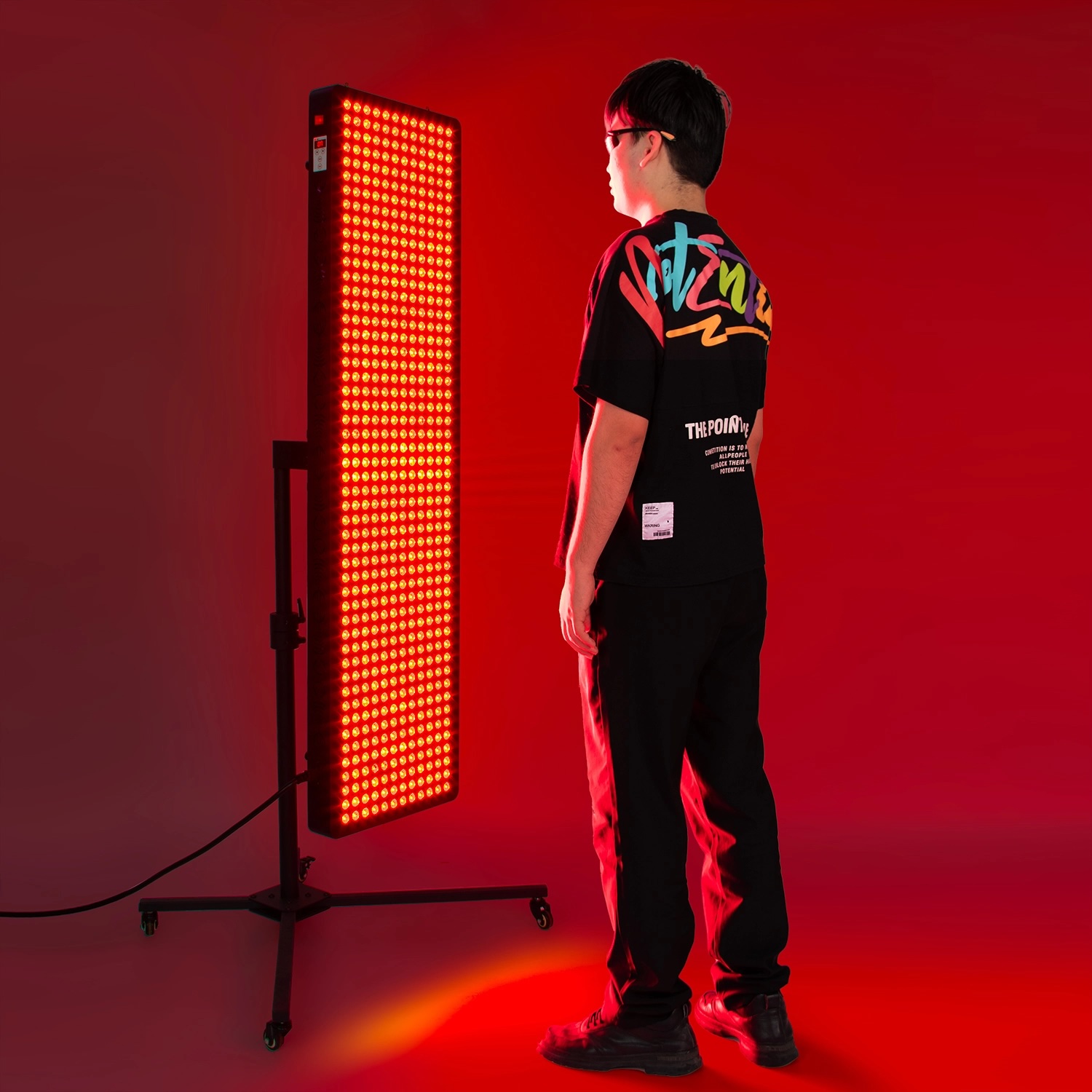
Using red light therapy before your infrared sauna keeps the light session close to standard photobiomodulation conditions: room temperature, minimal cardiovascular stress, and more controlled dosing. [clearlightsaunas.co]
Advantages:
- Maintains the non‑thermal nature of red light therapy.
- Allows you to stand the correct distance from the panel and rotate for full‑body coverage. [clearlightsaunas.co]
- Clearly separates the light signal from the heat stress, which can help you understand what each modality contributes. [clearlightsaunas.co]
This is often the best starting protocol for new users or those sensitive to heat but curious about stacking. [clearlightsaunas.co]
Using red light therapy inside the infrared sauna is appealing because it saves time and creates a spa‑like environment, but it also changes the context of the treatment. [clearlightsaunas.co]
Key considerations:
- Ambient heat raises skin and core temperature, increasing total stress load. [clearlightsaunas.co]
- Electrical limits may reduce either heater or panel output, depending on wiring. [clearlightsaunas.co]
- Body position in a seated sauna may restrict light coverage, making dose less uniform. [clearlightsaunas.co]
This option may work for experienced users who know their limits and have properly engineered setups, but it is not where most people should start. [havenofheat]
Using red light therapy after sauna means the body is cooling down from heat exposure, and parasympathetic activity is usually increasing as heart rate and core temperature fall. [eseospace]
Potential advantages:
- Many people feel calm and relaxed post‑sauna, making it a natural moment for a short light session. [clearlightsaunas.co]
- If you wait until your heart rate drops closer to baseline, you reduce cumulative stress while still taking advantage of increased circulation. [clearlightsaunas.co]
The key is to avoid going straight from high‑heat sauna directly into a long, high‑intensity light session; instead, allow a brief cool‑down and hydration period first. [clearlightsaunas.co]
For most wellness‑focused users who want mood, energy, and basic recovery support:
1. Morning or early‑day red light therapy
- 8–12 minutes per body side at recommended panel distance, 4–5 days per week. [clearlightsaunas.co]
2. Infrared sauna 3–4 times per week
- 15–25 minutes at a comfortable temperature, later in the day or evening. [eseospace]
3. Combine 1–2 times weekly
- Red light before sauna on days when schedule is tight and recovery is good. [clearlightsaunas.co]
This structure preserves non‑thermal light sessions most days while still letting you experiment with stacking. [clearlightsaunas.co]
For athletes or heavy exercisers:
- Use red light therapy around training (often before or several hours after) to support muscle recovery and perceived soreness. [clearlightsaunas.co]
- Reserve sauna for post‑training on selected days, respecting overall load and hydration. [ideatherapy]
- Avoid doing intense exercise, a long sauna, and high‑intensity red light all back‑to‑back daily, as cumulative stress can outpace recovery capacity. [havenofheat]
In practice, this might look like red light in the morning on training days, sauna in the evening 2–3 times per week, and combined sessions only when sleep, nutrition, and stress are well managed. [clearlightsaunas.co]
Users primarily focused on skin health, collagen, and aesthetic goals often benefit most from:
- Highly consistent, short, non‑thermal red light sessions targeted to face and neck. [clearlightsaunas.co]
- Saunas mainly for systemic benefits like circulation and relaxation, a few times per week. [clearlightsaunas.co]
In these cases, combining is optional rather than essential; the cornerstone is regular, properly dosed light exposure. [clearlightsaunas.co]
Aspect | Red light therapy | Infrared sauna |
|---|---|---|
Primary mechanism | Photobiomodulation, cellular signaling | Hyperthermic conditioning, heat stress |
Typical wavelengths | ~600–700 nm, 800–1100 nm | Long‑wave far‑infrared ~3–25 microns |
Core temperature change | Minimal; non‑thermal by definition | Significant rise, sweating and higher heart rate |
Main outcomes studied | Skin, recovery, inflammation, brain, hair | Cardiovascular health, recovery, relaxation |
Session feel | Gentle light warmth, no heavy sweat | Deep heat, sweat, "post‑sauna" fatigue |
Best use case | Targeted cellular support and recovery | Systemic heat stress and detox‑style sweating |
To translate all this into practice, here is a simple implementation checklist:
1. Establish your baseline
- Use red light therapy and infrared sauna separately for at least 1–2 weeks to understand your own tolerance. [clearlightsaunas.co]
2. Define your priority goal
- Decide whether your primary focus is recovery, skin, mood/energy, or cardiovascular support, as this will shape timing and frequency. [linkedin]
3. Introduce a single weekly stacked session
- Start with red light therapy before sauna once per week, keeping both at conservative durations. [clearlightsaunas.co]
4. Monitor how you feel for 24 hours
- Track sleep, energy, soreness, and any dizziness or headaches; adjust duration or frequency accordingly. [en.ejo]
5. Adjust protocol based on life load
- On high‑stress or poor‑sleep weeks, favor separate sessions; on strong weeks, you can experiment with an extra stacked day. [clearlightsaunas.co]
The most effective wellness routine is the one you can follow consistently. Use the science of non‑thermal red light signaling and controlled infrared heat stress as a framework, but listen to how your body responds day‑to‑day. If you are evaluating or sourcing professional‑grade red light therapy panels or integrated sauna‑light systems, prioritize devices with transparent specifications, safety testing, and clear, evidence‑aligned protocols that make stacking heat and light both intuitive and sustainable for your users. [knowagency]
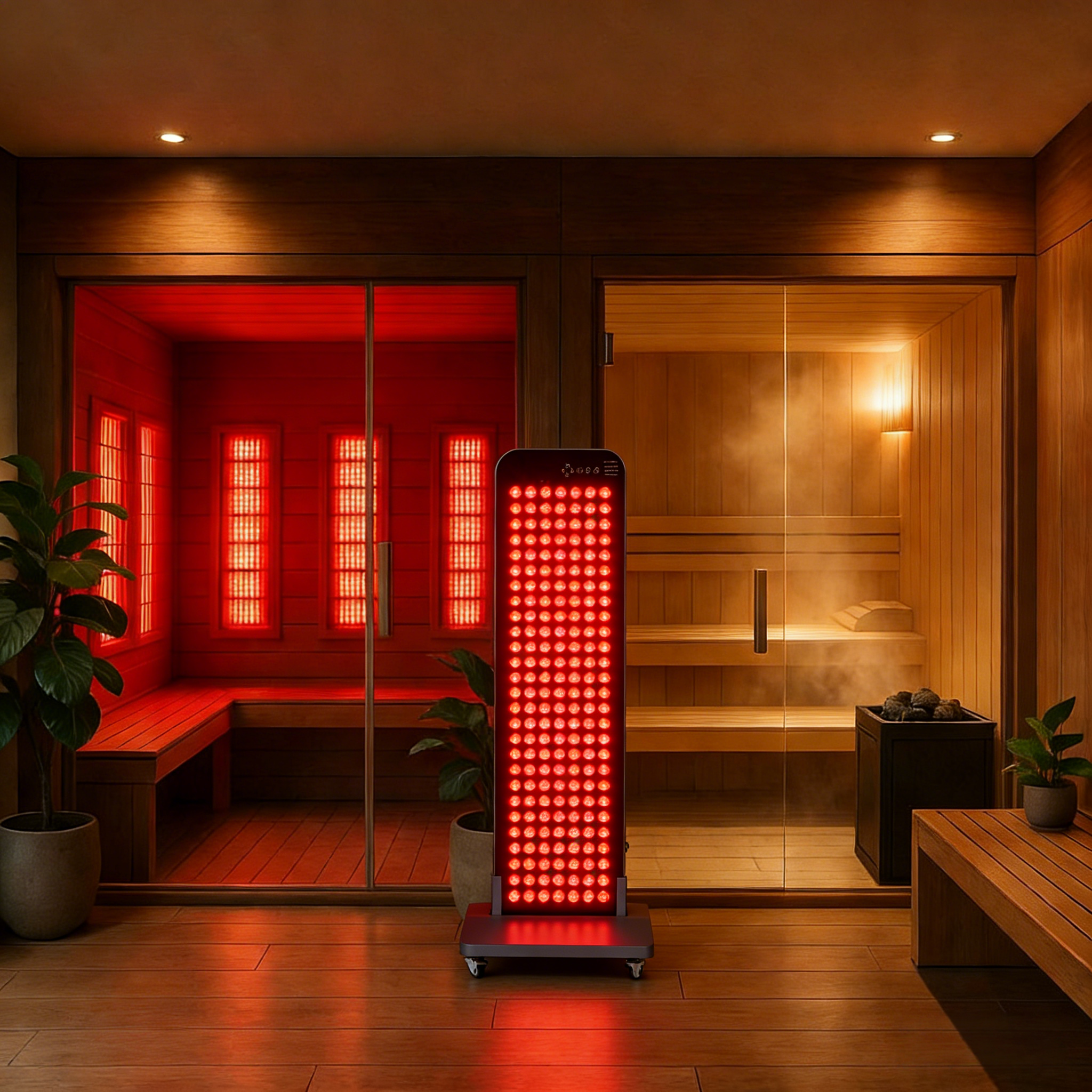
We've launched an waterproof (IP65), -40°~90°C heat/low temperature-resistant light therapy panel specifically built to integrate into saunas room, infrared cabins, hot tub, ice baths, steam baths and showers etc. luxtury wellness space— it delivers red/NIR/amber/blue wavelengths that supports skin rejuvenation, circulation and deep muscle relaxation while withstanding high humidity/heat environment.
If you are interesting for the products and want to know how it improve your business, please inquiry us:
Email: ez@therapy-light.com
WhatsApp: +86 151 1311 0489
1. Is red light therapy the same as infrared sauna?
No. Red light therapy uses targeted red and near‑infrared wavelengths to influence cellular function without significant heating, while infrared saunas use far‑infrared heat to raise core temperature and induce a sweat response. [clearlightsaunas.co]
2. Does red light therapy heat the body like a sauna?
Not in a meaningful way. You may feel mild surface warmth from light absorption, but red light therapy is classified as non‑thermal and does not depend on core temperature elevation for its effects. [clearlightsaunas.co]
3. Can I use red light therapy and infrared sauna on the same day as exercise?
Yes, but overall load matters. Intense exercise, long sauna sessions, and high‑intensity red light therapy in a single block can be too much for some people, so adjust duration and timing to avoid excessive fatigue. [ideatherapy]
4. How many times per week can I combine red light therapy and sauna?
For most healthy users, 1–2 stacked sessions per week, plus additional separate light or sauna sessions, is a reasonable starting point, with gradual progression based on tolerance and recovery. [havenofheat]
5. Is it better to keep red light therapy and sauna sessions separate?
In many cases, yes. Separating them allows each modality to be used under its ideal conditions—non‑thermal for light, controlled heat for sauna—and makes it easier to fine‑tune dosing and identify what is driving specific benefits. [clearlightsaunas.co]
1. Mito Red Light. Can You Combine Red Light Therapy and Infrared Sauna? Mito Red Blog.
[https://mitoredlight.com/blogs/mito-red-blog/can-you-combine-red-light-therapy-and-infrared-sauna]
2. Maghfour J, Ozog DM, Mineroff J, et al. Photobiomodulation CME part I: Overview and mechanism of action. Journal of the American Academy of Dermatology (2023).
[https://www.sciencedirect.com/science/article/pii/S0190962224001865]
3. Laukkanen JA, Laukkanen T, Kunutsor SK. Cardiovascular and other health benefits of sauna bathing: a review of the evidence. Mayo Clinic Proceedings. 2018;93(8):1111‑1121.
[https://pubmed.ncbi.nlm.nih.gov/30077204/]
4. Scoon GS, Hopkins WG, Mayhew S, Cotter JD. Effect of post‑exercise sauna bathing on the endurance performance of competitive male runners. Journal of Science and Medicine in Sport. 2007;10(4):259–262.
[https://pubmed.ncbi.nlm.nih.gov/16877041/]
5. Tähkämö L, Partonen T, Pesonen AK. Systematic review of light exposure impact on human circadian rhythm. Journal of Circadian Rhythms. 2018;16:5.
[https://pubmed.ncbi.nlm.nih.gov/30311830/]
6. Clearlight Saunas. Why Combining Red Light and Infrared Therapy May Be the Ultimate Recovery Hack.
7. Haven of Heat. Red Light Therapy in Saunas: Marketing Hype or Real Benefits?
8. Know Agency. Wellness and Health Content for E‑E‑A‑T and YMYL.
[https://knowagency.com/eeat-ymyl-wellness-health-content/]
9. eSEOspace. E‑E‑A‑T for Healthcare Websites: How to Build Trust and Authority.
[https://eseospace.com/blog/e-e-a-t-for-healthcare-websites/]
10. European Journalism Observatory. Ten Tips for Writing Reliable and Engaging Health Articles.
[https://en.ejo.ch/ethics-quality/10-ways-to-write-reliable-and-engaging-health-articles-research]


