
- All
- Product Name
- Product Keyword
- Product Model
- Product Summary
- Product Description
- Multi Field Search

Views: 222 Author: Becky Publish Time: 2025-01-15 Origin: Site


Content Menu
● Understanding Red Light Therapy
>> Key Benefits of Red Light Therapy:
● Mark Sloan's Approach to Red Light Therapy
>> Key Components of Sloan's Protocol:
● Scientific Evidence Supporting Red Light Therapy
● User Experiences with Mark Sloan's Devices
● Potential Risks and Considerations
● The Mechanisms Behind Red Light Therapy
● Applications of Red Light Therapy
● Frequently Asked Questions (FAQs)
>> 1. What is red light therapy?
>> 2. How does red light therapy work?
>> 3. Is red light therapy safe?
>> 4. How long does it take to see results from red light therapy?
>> 5. Can red light therapy help with pain relief?
Red light therapy (RLT) has gained significant attention in recent years for its potential health benefits, ranging from skin rejuvenation to pain relief. Mark Sloan, a prominent advocate and author of Red Light Therapy: Miracle Medicine, has been instrumental in popularizing this treatment. This article explores the effectiveness of Mark Sloan's red light therapy devices, the science behind them, their applications, and user experiences.
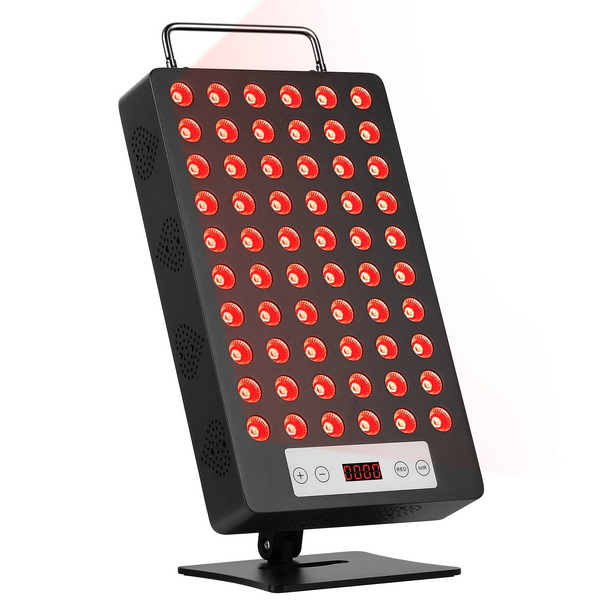
Red light therapy involves exposing the body to specific wavelengths of red and near-infrared light. These wavelengths penetrate the skin and stimulate cellular processes that promote healing and regeneration. The primary mechanism of action is through the activation of mitochondria, the powerhouse of cells, which enhances ATP (adenosine triphosphate) production. Increased ATP levels lead to improved cellular function, enhanced healing, and reduced inflammation.
- Skin Health: RLT is known for its ability to reduce wrinkles, acne, and other skin conditions by boosting collagen production.
- Pain Relief: Users report significant reductions in chronic pain and inflammation, making it beneficial for conditions like arthritis and muscle soreness.
- Enhanced Recovery: Athletes often use RLT to accelerate muscle recovery post-exercise.
- Mental Clarity: Some studies suggest that RLT may improve cognitive function and mood by increasing blood flow and reducing oxidative stress.
Mark Sloan's book outlines a comprehensive 7-step system for using red light therapy effectively at home. His approach emphasizes the importance of proper positioning, treatment duration, and avoiding common mistakes during therapy sessions. The book is backed by numerous scientific studies that validate the claims made about red light therapy's benefits.
1. Device Positioning: Proper placement of the device relative to the body is crucial for maximizing effectiveness.
2. Treatment Duration: Recommended session lengths vary based on individual needs but generally range from 10 to 20 minutes.
3. Frequency: Regular treatments are encouraged, with many users reporting improvements after several weeks of consistent use.
Numerous studies have explored the efficacy of red light therapy across various applications:
- Skin Conditions: Research indicates that RLT can significantly improve skin texture and reduce signs of aging. A study published in *Photomed Laser Surg* found that patients experienced noticeable improvements in skin elasticity and wrinkle reduction after consistent RLT sessions.
- Pain Management: A meta-analysis in *Lasers in Medical Science* concluded that RLT effectively reduces pain associated with conditions such as osteoarthritis and chronic back pain.
- Wound Healing: Studies have shown that RLT accelerates tissue repair and reduces scarring by enhancing collagen synthesis and blood flow to injured areas.
Feedback from users of Mark Sloan's red light therapy devices has been overwhelmingly positive. Many individuals report significant improvements in their conditions after incorporating RLT into their wellness routines.
- Skin Improvement: Users have noted clearer skin with reduced acne scars after regular treatments.
- Pain Relief: Many individuals suffering from chronic pain conditions have experienced substantial relief, allowing them to engage in daily activities more comfortably.
- Enhanced Recovery for Athletes: Athletes have shared their experiences of faster recovery times post-training sessions, attributing this to their use of red light therapy.

While red light therapy is generally considered safe, there are a few precautions users should keep in mind:
- Eye Protection: Although RLT does not emit harmful UV rays, it is advisable to wear protective eyewear during sessions to prevent discomfort from bright lights.
- Skin Sensitivity: Some individuals may experience temporary redness or irritation after treatment. It's essential to monitor your skin's response and adjust treatment frequency if necessary.
The effectiveness of red light therapy can be attributed to several biological mechanisms:
- Mitochondrial Stimulation: As mentioned earlier, red light stimulates mitochondria within cells, leading to increased ATP production. This boost in energy enables cells to perform their functions more efficiently, promoting healing and regeneration.
- Increased Blood Flow: RLT enhances circulation by promoting angiogenesis (the formation of new blood vessels), which helps deliver oxygen and nutrients to tissues while removing waste products.
- Collagen Production: Collagen is vital for maintaining skin elasticity and firmness. By stimulating collagen synthesis, RLT helps improve skin texture and reduce signs of aging.
- Reduction of Inflammation: The anti-inflammatory properties of red light therapy can help alleviate symptoms associated with various conditions, including arthritis and muscle injuries.
Red light therapy has a wide range of applications across different fields:
RLT is increasingly used in dermatology for its cosmetic benefits:
- Anti-Aging Treatments: By stimulating collagen production, RLT can reduce wrinkles and improve overall skin tone.
- Acne Treatment: Its anti-inflammatory effects make it effective for treating acne by reducing redness and promoting healing.
- Scar Reduction: RLT can help fade scars from injuries or surgeries by promoting tissue regeneration.
Many individuals turn to RLT for relief from chronic pain conditions:
- Arthritis Relief: Studies show that RLT can reduce pain and stiffness associated with rheumatoid arthritis.
- Muscle Recovery: Athletes utilize RLT to speed up recovery times after intense workouts or injuries.
Emerging research suggests that red light therapy may also benefit cognitive function:
- Memory Improvement: Some studies indicate that RLT could enhance memory performance in individuals with cognitive impairments or dementia by improving blood flow to the brain[2].
Mark Sloan's red light therapy devices offer a promising avenue for enhancing health and well-being through non-invasive means. Supported by a wealth of scientific research and positive user experiences, these devices can effectively address various health concerns ranging from skin issues to chronic pain management. As more individuals seek alternative therapies that prioritize safety and efficacy, red light therapy stands out as a viable option worth considering.

Red light therapy uses specific wavelengths of light to penetrate the skin and promote healing at the cellular level.
It works by stimulating mitochondria in cells to increase ATP production, enhancing cellular function and promoting healing processes.
Yes, it is considered safe for most people as it is non-invasive and does not involve harmful UV rays.
Many users report noticeable improvements within a few weeks of consistent use.
Yes, studies have shown that it can effectively reduce pain associated with various conditions like arthritis and muscle soreness.
[1] https://www.goodreads.com/book/show/44778586-red-light-therapy
[2] https://www.eurekalert.org/news-releases/931749
[3] https://theaestheticretreat.com/the-science-behind-red-light-therapy-benefits-and-applications/
[4] https://www.smarthealthwellness.com/red-light-therapy-smart-health-and-wellness/
[5] https://www.barnesandnoble.com/w/red-light-therapy-mark-sloan/1131239061
[6] https://www.luxway.eu/heat-treated-radiata-pine-26x140/red-light-therapy-rlt/red-light-therapy-mark-sloan.html
[7] https://www.webmd.com/skin-problems-and-treatments/red-light-therapy
[8] https://my.clevelandclinic.org/health/articles/22114-red-light-therapy
[9] https://www.healthline.com/health/red-light-therapy
[10] https://www.medicalnewstoday.com/articles/325884
[11] https://open.spotify.com/show/4uzV516DRxQSdvUmElVDsq
[12] https://www.secondsale.com/p/red-light-therapy-miracle-medicine/675584
[13] https://www.aad.org/public/cosmetic/safety/red-light-therapy
[14] https://pmc.ncbi.nlm.nih.gov/articles/PMC5523874/
[15] https://www.verywellhealth.com/red-light-therapy-5217767
[16] https://www.health.com/red-light-therapy-benefits-7693320
[17] https://www.thriftbooks.com/w/red-light-therapy-miracle-medicine_mark-----sloan/21236571/
[18] https://www.prairielights.com/book/9780994741868
[19] https://www.audible.com/pd/Red-Light-Therapy-Audiobook/B08RLBBH7P
[20] https://www.advancedbodysculptingclinic.com/red-light-therapy-benefits


