
- All
- Product Name
- Product Keyword
- Product Model
- Product Summary
- Product Description
- Multi Field Search

Views: 222 Author: Becky Publish Time: 2025-01-26 Origin: Site


Content Menu
● Understanding Red Light Therapy
● How Does the Lumigen Device Work?
● Benefits of Using Lumigen for Acne Treatment
● Scientific Evidence Supporting Lumigen's Efficacy
● How to Use the Lumigen Device
● User Experiences with Red Light Therapy Devices
● Additional Considerations for Red Light Therapy
>> Understanding Different Types of Devices
>> Integrating Red Light Therapy into Your Routine
● Frequently Asked Questions (FAQs)
>> 1. What is Lumigen Red Light Therapy?
>> 4. How often should I use it?
>> 5. Can I use it with other treatments?
Acne is a prevalent skin condition that affects millions of people worldwide, often leading to physical and emotional distress. Traditional treatments for acne include topical creams, oral medications, and various skincare routines. However, with the rise of technology in skincare, devices like the Lumigen Red Light Therapy Device have gained popularity as potential solutions for acne treatment. This article explores the effectiveness of the Lumigen device in treating acne, its mechanisms, benefits, usage instructions, potential side effects, and relevant scientific backing.
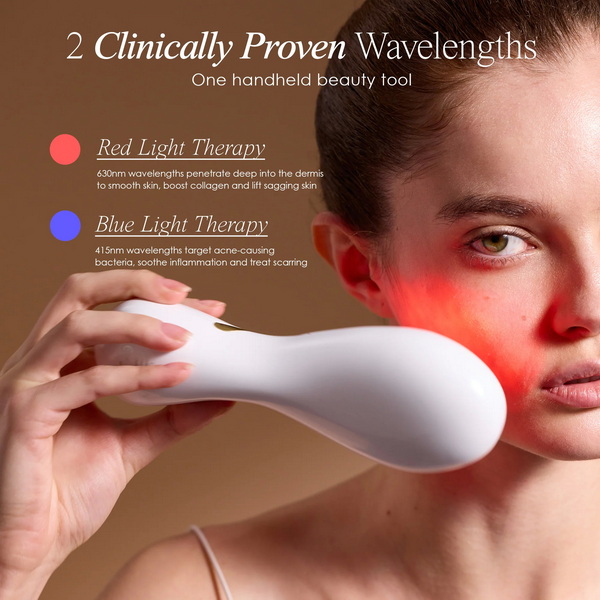
Red light therapy (RLT) utilizes specific wavelengths of light to penetrate the skin and stimulate cellular processes. The Lumigen device combines both red and blue light therapy to target various skin concerns, including acne.
- Red Light Therapy: This type of therapy primarily focuses on reducing inflammation and promoting healing. It enhances collagen production, which is crucial for skin repair and rejuvenation.
- Blue Light Therapy: Blue light targets *Propionibacterium acnes* (P. acnes), the bacteria responsible for acne breakouts. By killing these bacteria, blue light therapy can help prevent future breakouts.
The Lumigen Red Light Therapy Device operates by emitting red and blue light at specific wavelengths:
- Red Light (620-700 nm): This wavelength penetrates deeply into the skin, promoting increased blood flow and collagen production. It helps reduce inflammation and scarring associated with acne.
- Blue Light (405-420 nm): This wavelength targets the surface of the skin, effectively killing acne-causing bacteria and reducing oil production in the pores.
By utilizing both types of light, the Lumigen device aims to provide comprehensive treatment for acne by addressing both the symptoms and underlying causes.
The potential benefits of using the Lumigen device for acne treatment include:
- Reduction in Acne Lesions: Studies have shown that red light therapy can significantly reduce active acne lesions. A clinical trial demonstrated a decrease in inflammatory lesions after consistent use of red light therapy over several weeks.
- Improved Skin Texture: Regular use may lead to smoother skin texture as collagen production increases, helping to diminish scars left by previous breakouts.
- Non-Invasive Treatment: Unlike some traditional acne treatments that may involve harsh chemicals or invasive procedures, Lumigen offers a gentle alternative that can be used at home.
- Quick Sessions: Treatment sessions typically last about 15 minutes, making it easy to incorporate into daily routines.
Research supports the efficacy of red and blue light therapies in treating acne:
1. A study published in *PubMed* found that red light therapy alone significantly reduced acne lesions after consistent treatment.
2. Another clinical trial indicated that combining red and blue light therapies led to substantial improvements in acne severity among participants.
3. The anti-inflammatory properties of red light have been documented to aid in reducing redness and swelling associated with acne.
These findings suggest that devices like Lumigen could be effective tools for managing acne.
Using the Lumigen device is straightforward:
1. Preparation: Cleanse your face thoroughly to remove any makeup or impurities.
2. Power On: Turn on the device using the power button.
3. Select Treatment Mode: Choose between red or blue light settings based on your specific needs.
4. Application: Gently move the device over affected areas for 5-10 minutes per session.
5. Post-Treatment Care: After using the device, apply a suitable serum or moisturizer to enhance results.
For optimal results, it is recommended to use the device at least three times a week.
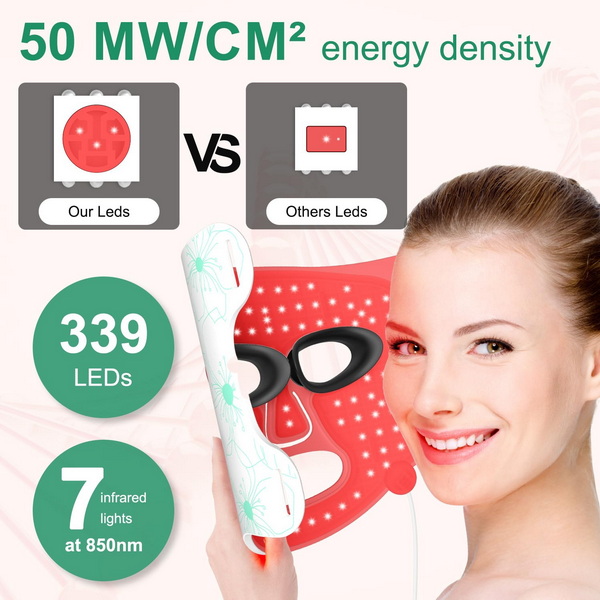
While generally considered safe, users may experience mild side effects such as:
- Temporary redness or irritation
- Dryness or sensitivity
- Eye strain if not properly shielded
It is essential to follow all manufacturer guidelines to minimize risks.
Many users report positive experiences with red light therapy devices:
- Home Use Convenience: Users appreciate the ability to perform treatments at home without needing frequent visits to clinics or spas.
- Visible Results: Many individuals note improvements in skin tone, reduced acne scars, and less visible wrinkles after consistent use.
- Pain Management Success Stories: Athletes often share success stories about how RLT has helped them recover from injuries more quickly than traditional methods alone.
There are various types of red light therapy devices available on the market today:
- Handheld Devices: These portable units allow targeted treatment on specific areas like the face or joints.
- Panels: Larger panels are suitable for full-body treatments or larger areas requiring attention.
- Masks: Designed specifically for facial treatments, these masks provide even coverage over the entire face while allowing users to engage in other activities during treatment sessions.
Each type has its advantages depending on individual needs and preferences.
The cost of laser red light therapy devices can vary significantly based on features such as size, power output, and brand reputation:
- Affordable Options: Handheld devices typically range from $50-$200.
- Mid-range Options: Larger panels may cost between $200-$600.
- High-end Options: Professional-grade equipment can exceed $1,000 but often offers advanced features like adjustable wavelengths or higher power outputs.
Investing in a quality device may yield better results over time compared to cheaper alternatives that might not deliver effective wavelengths or power levels.
To maximize the benefits of red light therapy:
1. Consistency is Key: Regular treatments yield better results than sporadic use.
2. Combine with Other Treatments: Consider integrating RLT with other skincare routines or therapies for enhanced results.
3. Monitor Your Skin's Response: Keep track of any changes in your skin condition or overall health after starting RLT; adjust usage accordingly based on your observations or professional advice.
4. Stay Hydrated and Maintain Healthy Skin Care Habits: Proper hydration supports overall skin health; combine RLT with a good skincare regimen for optimal results.
5. Consult Professionals When Necessary: If you have underlying health issues or experience adverse effects during treatment, consulting a dermatologist or healthcare provider is essential for tailored advice.
The Lumigen Red Light Therapy Device presents a promising option for those struggling with acne. By combining red and blue light therapies, it addresses both bacterial causes and inflammatory responses associated with this common skin condition. With supportive scientific evidence backing its effectiveness, users may find it a valuable addition to their skincare regimen.
As with any treatment, individual results may vary. It's advisable for users to consult with a healthcare professional before starting any new skincare treatment, especially if they have underlying health conditions or are pregnant.
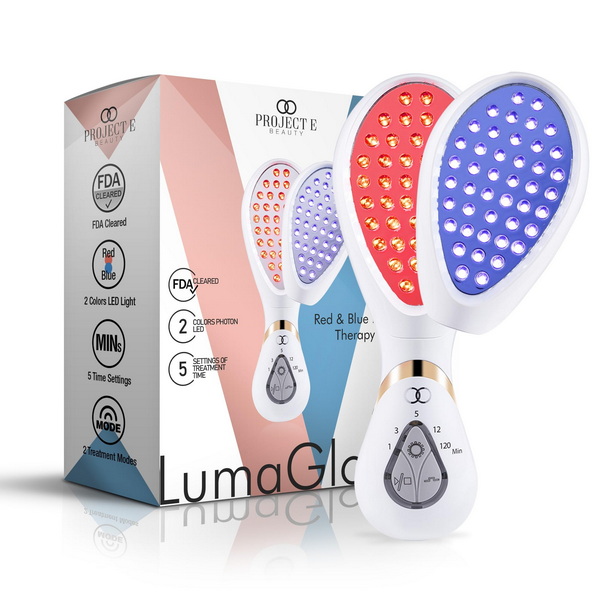
Lumigen Red Light Therapy uses specific wavelengths of red and blue light to promote skin healing and reduce conditions like acne by targeting bacteria and inflammation.
The device emits red light to stimulate collagen production and improve circulation while blue light kills bacteria responsible for acne breakouts.
Yes, when used according to guidelines, Lumigen is generally safe with minimal side effects reported.
It is recommended to use the device at least three times a week for best results.
Yes, Lumigen can be used alongside other skincare treatments but consult a healthcare professional for personalized advice.
[1] https://ppl-ai-file-upload.s3.amazonaws.com/web/direct-files/41925145/78268762-5785-4096-a643-febb58b194c8/paste.txt


